

Tanning beds do produce vitamin D in your skin, just like the sun does. The ultraviolet B (UVB) radiation in tanning beds triggers your body to make vitamin D. But the amount you get depends heavily on the type of bed, and the risks of using one for this purpose are serious. Most dermatologists and health organizations advise against using tanning beds for vitamin D because the skin cancer risk is too high.
How Does Your Body Make Vitamin D From UV Light?
Your skin makes vitamin D when it absorbs UVB radiation. The UVB rays convert a cholesterol compound in your skin into vitamin D3, which your liver and kidneys then turn into the active form your body uses.
This process is the same whether the UVB comes from the sun or from a tanning bed. The key difference is that tanning beds can be engineered to emit different amounts of UVA and UVB. UVA rays tan your skin but do not produce vitamin D. UVB rays produce vitamin D but also cause sunburn and skin damage.
Older tanning beds often emitted mostly UVA with very little UVB. Newer models, especially those marketed for “vitamin D tanning,” may emit more UVB. But there is no standard. The UVB output varies widely between machines, which makes it impossible to predict how much vitamin D you will actually make.
Do Tanning Beds Provide Vitamin D The Real Answer
Yes, a tanning bed that emits UVB radiation will cause your skin to produce vitamin D. Research confirms that indoor tanning can raise blood levels of vitamin D. Some studies have shown meaningful increases after repeated sessions.
But the real answer is more complicated. The amount of vitamin D you get depends on the bed’s UVB output, your skin tone, how long you stay in, and how often you go. There is no reliable way to know your dose. And the same UVB that makes vitamin D also damages your skin’s DNA.
The medical consensus is clear: tanning beds are not a safe way to get vitamin D. The World Health Organization classifies tanning beds as a known carcinogen. The risk of melanoma and other skin cancers outweighs any benefit from vitamin D production.
What Are the Risks of Using Tanning Beds?
Tanning beds expose your skin to concentrated UV radiation. This radiation damages DNA in your skin cells. Over time, that damage can lead to skin cancer.
Research consistently shows that using tanning beds before age 35 significantly increases your risk of melanoma. The risk goes up with every use. Basal cell carcinoma and squamous cell carcinoma risks also increase.
Beyond cancer, tanning beds cause premature skin aging. They break down collagen and elastin, leading to wrinkles and sagging skin. They also cause sunspots and uneven pigmentation. These changes are permanent and accumulate with each session.
Eye damage is another concern. UV radiation can damage your corneas and retinas. Tanning beds require protective goggles, but many people skip them. Even with goggles, the skin around your eyes remains exposed.



How Much Vitamin D Do You Actually Get From a Tanning Bed?
There is no standard answer. A tanning bed’s UVB output determines how much vitamin D your skin produces. Some beds emit very little UVB, meaning you get almost no vitamin D. Others emit more, but you cannot tell which type you are using from the outside.
Your skin tone also matters. Lighter skin produces vitamin D faster than darker skin. A person with fair skin might make enough vitamin D in a short session, while someone with darker skin might need much longer exposure. Longer exposure means more UV damage.
Even in studies where tanning beds did raise vitamin D levels, the increase was modest. It is not clear that regular tanning bed use maintains healthy vitamin D levels over time. More research is needed to understand the exact dose-response relationship.
One important detail: many tanning beds are calibrated to maximize tanning, not vitamin D production. The UVB fraction that makes vitamin D is often the same fraction that causes sunburn. Beds that produce more vitamin D also produce more skin damage per minute.
What Is the Safest Way to Get Vitamin D?
Your body makes vitamin D from sun exposure, but the amount depends on your location, the season, time of day, and your skin tone. For many people, short sun exposure on arms and legs a few times per week is enough. For others, especially in northern climates during winter, sun exposure alone is not sufficient.
Food sources of vitamin D are limited but helpful. Fatty fish like salmon, trout, and sardines contain vitamin D. Fortified milk, orange juice, and cereals also provide it. Egg yolks and beef liver have smaller amounts.
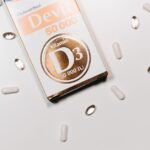
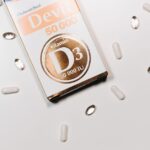
Vitamin D supplements are the most reliable option. They provide a known dose with no UV exposure. The amount you need depends on your blood levels, which your doctor can test. Many adults need between 600 and 800 IU per day, but some people need more.
Food and supplements carry no skin cancer risk. They are the clear choice over tanning beds for anyone concerned about vitamin D levels.
Can You Get Vitamin D From a Tanning Bed Without Skin Damage?
No. The UVB radiation that stimulates vitamin D production also damages skin cells. There is no way to separate these two effects. The same wavelength that helps you make vitamin D is the wavelength that causes sunburn and DNA damage.
Some tanning salons claim their beds are “safe” because they emit mostly UVA. But UVA also damages skin and contributes to skin cancer. It just does not produce vitamin D. So a low-UVB bed might be safer in terms of vitamin D production, but you get no vitamin D benefit from it.
No tanning bed has been shown to provide vitamin D without increasing skin cancer risk. The evidence points in the opposite direction. Any UV exposure that produces vitamin D also produces skin damage.
What Do Doctors Recommend for Vitamin D?
Major health organizations, including dermatology associations, do not recommend tanning beds for vitamin D. They consistently advise against indoor tanning for any purpose, including vitamin D production.
If you are concerned about your vitamin D levels, the standard medical approach is a blood test. Your doctor can measure your 25-hydroxyvitamin D level and tell you if you are deficient. From there, they can recommend an appropriate supplement dose.
For most people, a combination of safe sun exposure, dietary sources, and supplements is enough. Tanning beds are not part of any mainstream medical recommendation.
Frequently Asked Questions
How long do you need in a tanning bed to get vitamin D?
There is no safe or reliable time recommendation because UVB output varies by bed and skin tone matters. Even short sessions expose your skin to cancer-causing radiation.
Are tanning beds with more UVB better for vitamin D?
Beds with more UVB produce more vitamin D but also cause more skin damage per minute. The increased cancer risk makes them a poor choice for vitamin D.
Can you get vitamin D from a tanning bed instead of the sun?
Both produce vitamin D through UVB radiation, but tanning beds deliver concentrated UV that increases skin cancer risk. Supplements and food are safer alternatives.
Is a tanning bed safe for vitamin D if you have dark skin?
Darker skin requires more UV exposure to make the same vitamin D, which means more skin damage. No tanning bed use is considered safe for any skin type.
