
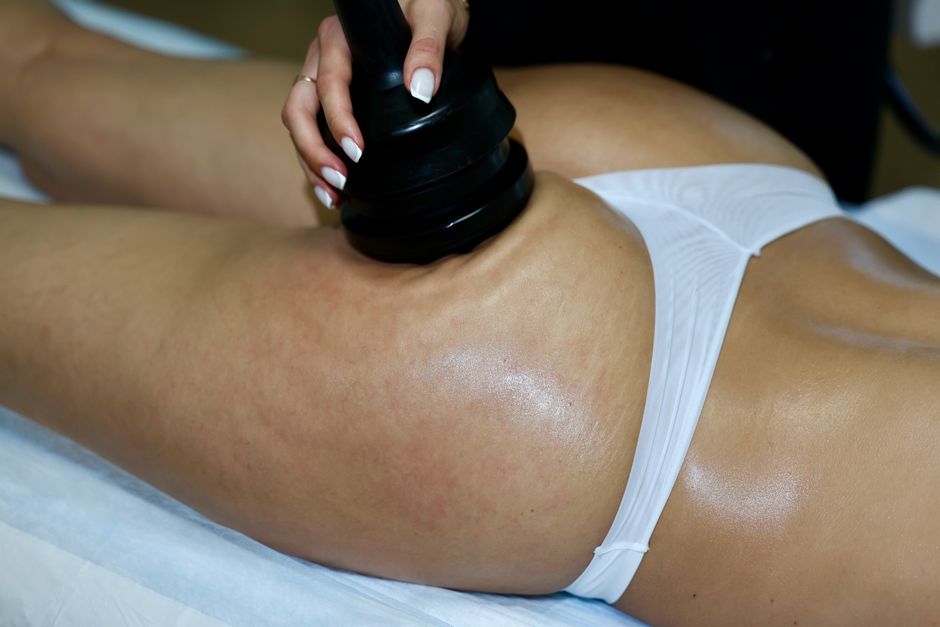
Skin tightening machines are popular, but do they actually work? The short answer is yes, but with important limits. Both radiofrequency (RF) and ultrasound devices can tighten skin when used correctly, but they are not the same as a surgical facelift. They work best for mild to moderate skin laxity, and results take time and maintenance. Here is what the evidence actually shows about RF versus ultrasound, and what you should expect from each.
What Is Radiofrequency Skin Tightening?
Radiofrequency devices heat the deeper layers of your skin using electromagnetic energy. The heat reaches the dermis, which is the thick middle layer of skin. When the dermis is heated to a specific temperature, the collagen fibers contract. This gives an immediate, subtle tightening effect.
The heat also triggers a wound-healing response. Your body produces new collagen over the following weeks and months. This is why results build gradually after a treatment. Most people need multiple sessions to see meaningful change.
RF is considered safe for most skin types. It delivers heat through the skin’s surface, so it does not require any cutting or needles. The main risk is burning if the device is used at too high a setting or on thin skin. Experienced providers adjust the energy level based on your skin thickness and tolerance.
What Is Ultrasound Skin Tightening?
Ultrasound uses sound waves to create heat at a specific depth. Unlike RF, which heats broadly, focused ultrasound can target a precise layer of tissue. This is called micro-focused ultrasound. It reaches deeper than most RF devices, which allows it to heat the foundational layer of tissue that supports the skin.
This deeper heating can produce a stronger collagen response. Some ultrasound devices are designed to reach the superficial muscular aponeurotic system, or SMAS, which is the same layer surgeons lift during a facelift. That does not mean ultrasound is a facelift. It means the energy reaches a deeper anatomical layer than RF typically does.
Ultrasound is generally a one-time treatment, or sometimes two, rather than a series of six or more. The results tend to last longer than RF because the collagen response is deeper and more robust.
Do Skin Tightening Machines Work Rf Vs Ultrasound?
Both technologies work, but they answer different needs. RF is better for mild laxity, fine lines, and improving skin texture. It is also more forgiving and comfortable. Ultrasound is better for moderate laxity, particularly along the jawline, under the chin, and on the lower cheeks.
Clinical studies have documented both approaches. Research on RF consistently shows measurable improvements in skin laxity and collagen density after a series of treatments. Studies on focused ultrasound also show improvement, often with a single session, but the results vary by device and patient age.
Neither technology removes excess fat. If your skin laxity is caused primarily by volume loss or significant weight changes, neither RF nor ultrasound will solve it. They tighten existing skin. They do not create new skin or remove what is no longer needed.
The honest answer is that these machines work for the right candidate. A person in their 30s or 40s with early sagging will see more benefit than someone in their 60s with significant skin excess. Skin thickness, elasticity, and genetics all play a role in how well you respond.




How Many Sessions Do You Need?
RF treatments typically require a series. Most protocols recommend three to six sessions spaced two to four weeks apart. Some people need maintenance treatments every six to twelve months to preserve results.
Ultrasound is usually done in one session. Some providers recommend a second session after three to six months if the initial response was modest. The collagen remodeling continues for several months after a single treatment, so patience is required before judging the final result.
Neither approach produces instant dramatic change. You may notice slight tightening immediately after RF due to collagen contraction. But the full effect takes time. For ultrasound, the visible improvement typically peaks around three months after your session.
There are no clinical guidelines that specify an exact number of sessions for every patient. Your provider should assess your skin and adjust the plan accordingly. Be wary of any clinic that promises a fixed result after a fixed number of sessions without examining your skin first.
What Results Can You Realistically Expect?
Realistic expectations matter more than the technology itself. RF and ultrasound produce subtle to moderate tightening. You should not expect a dramatic lift. You should expect skin that looks slightly firmer and more youthful.
Clinical studies report that most patients see visible improvement, but the degree varies. Younger skin with good elasticity responds better. Skin that has lost significant elasticity from age, sun damage, or smoking will respond less.
Results are not permanent. Your skin continues to age. Collagen production slows, and gravity continues to pull. Most people need maintenance treatments every year or two to sustain their results. Some people are satisfied with one course of treatment and simply accept that the effect fades over time.
It is also worth noting that these treatments do not address all signs of aging. They do not improve wrinkles caused by repeated facial expressions. They do not restore volume lost from fat depletion. They only address skin laxity.
What Are the Risks and Side Effects?
Both RF and ultrasound have good safety records when performed by trained providers. The most common side effects are temporary redness, mild swelling, and slight tenderness. These usually resolve within a few hours to a few days.
Ultrasound carries a small risk of deeper side effects. Because it targets deeper tissue, it can cause nerve injury if applied over certain areas of the face. This is rare but possible. Numbness or tingling can last for weeks or months in some cases.
RF is generally safer because the heat is more superficial. However, burns can occur if the device is used incorrectly or on skin that is too thin. Blistering and scarring are possible but uncommon with proper technique.
Neither treatment is recommended during pregnancy. The effects of these energies on a developing fetus have not been studied. Most manufacturers advise against use during pregnancy, and most providers will not treat pregnant patients.
You should also be cautious about at-home devices. Many home-use RF and LED devices are sold with claims that they tighten skin. Some small studies show modest effects, but the energy output of home devices is much lower than professional devices. The evidence for home devices is limited, and results are generally minimal.
Which One Should You Choose?
There is no universal right answer. The choice depends on your skin, your budget, and your tolerance for downtime. RF is a gentler, more gradual approach. Ultrasound is deeper, more intense, and potentially more effective for moderate laxity.
If you have mild laxity and want a comfortable treatment with no downtime, RF is a reasonable starting point. If you have more noticeable sagging along the jawline or under the chin, ultrasound may be the better option.
Some providers offer both and will recommend one based on their assessment of your skin. A consultation should include an evaluation of your skin thickness, laxity, and overall health. If a provider recommends a treatment without examining your skin, consider finding another provider.
Cost is also a factor. RF requires multiple sessions, so the total cost can be similar to a single ultrasound session. Ultrasound is often more expensive per session but may require fewer sessions overall. Prices vary widely by location and provider, so it is worth comparing options in your area.
What About Surgery?
If your skin laxity is significant, neither RF nor ultrasound will give you the result you want. A surgical facelift remains the most effective treatment for moderate to severe sagging. It removes excess skin and repositions the underlying tissue.
Surgery carries more risk, requires recovery time, and costs significantly more. But the results are dramatic and long-lasting. If you are considering a facelift, it is worth discussing your options with a board-certified plastic surgeon.
Some people combine non-surgical treatments with surgery or use them after surgery to maintain results. This is a reasonable approach, but it is not a substitute for surgery when surgery is clearly needed.
Frequently Asked Questions
How long do RF skin tightening results last?
RF results typically last six months to two years. Maintenance sessions every six to twelve months can extend the effect.
Is ultrasound skin tightening painful?
Most people feel a warm sensation and some discomfort during ultrasound treatment. Providers often use numbing cream or pain medication to manage this.
Can these machines tighten loose skin on the stomach or arms?
Yes, both RF and ultrasound are used on the body. Results are modest and depend on skin quality and the amount of laxity present.
Are at-home skin tightening devices worth it?
Home devices use lower energy and the evidence for significant results is limited. They may offer very subtle improvement but are unlikely to match professional treatments.
