
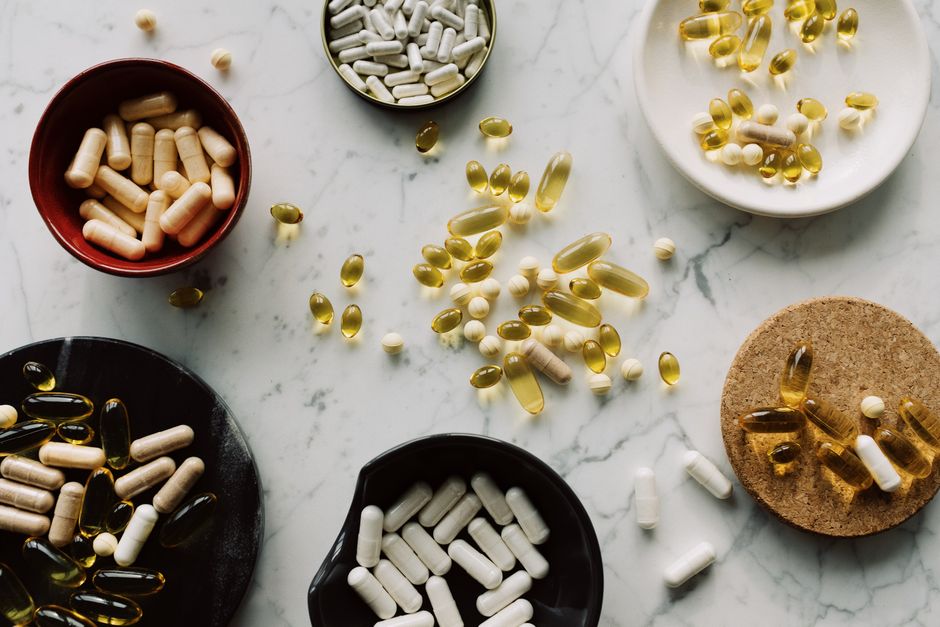
Probiotics do not hunt down and kill bad bacteria the way antibiotics do. Instead, they compete with harmful microbes for space and nutrients, produce substances that make it harder for those microbes to grow, and help strengthen the gut barrier. The word “kill” sets the wrong expectation. What probiotics mainly do is shift the balance — and that shift depends heavily on which strain you take, at what dose, and why.
What Do Probiotics Actually Do in the Gut?
Probiotics are live microorganisms that, when taken in adequate amounts, can provide a health benefit. That definition matters because it ties the benefit to a specific strain and a specific dose. A random yogurt with a few billion CFUs is not automatically doing anything meaningful.
Once swallowed, most probiotic bacteria face a hostile journey. Stomach acid, bile salts, and digestive enzymes reduce their numbers before they reach the colon. Some strains survive better than others. Some are designed to act in the small intestine, others in the large intestine. This is one reason results vary so widely between products.
When they do arrive, the main mechanisms researchers have identified include:
- Competition for resources — probiotic bacteria consume nutrients that harmful bacteria also need.
- Colonization resistance — they occupy attachment sites on the gut lining, making it harder for pathogens to latch on.
- Production of antimicrobial compounds — certain strains produce short-chain fatty acids, organic acids, and bacteriocins that inhibit the growth of other bacteria.
- Immune modulation — they interact with immune cells in the gut lining, which can influence how the body responds to infection.
- Barrier support — some strains strengthen the tight junctions between intestinal cells, reducing how much can leak through.
Notice what is missing from that list: direct killing of pathogens. That is not the primary job. Antibiotics kill. Probiotics compete, crowd out, and modulate. The distinction is not just semantic — it shapes what probiotics can and cannot do.
Do Probiotics Actually Kill Bad Bacteria?
No — not in the way most people mean. Probiotics can inhibit harmful bacteria, but “inhibit” and “kill” are different things. Inhibition means slowing growth, reducing numbers, or blocking the ability to cause harm. Killing means destroying the organism outright.
Some probiotic strains do produce bacteriocins — proteins that can damage bacterial cell membranes. In laboratory settings, these compounds have shown activity against certain pathogens. But lab results and human gut results are not the same. The gut is a complex ecosystem with trillions of resident microbes, and a compound that works in a petri dish may behave very differently inside a living body.
This is where a lot of probiotic marketing goes wrong. A product may contain a strain that showed antimicrobial activity in a lab study. That does not mean swallowing a capsule of it will kill the bacteria causing your problem. The evidence for direct pathogen killing in humans is limited and strain-specific.
What probiotics more reliably do is change the environment. They can make the gut less hospitable to certain pathogens, support the bacteria already doing useful work, and influence immune responses. That is a real effect. It is just not the same as killing.
Which Probiotic Strains Have the Most Evidence?
Not all probiotics are equal. The evidence base is strongest for a handful of specific strains and combinations, mostly in specific conditions.
The best-studied category is Saccharomyces boulardii, a yeast rather than a bacterium. It has been studied for antibiotic-associated diarrhea and for reducing recurrence of Clostridioides difficile infection when used alongside standard treatment. Note the word “alongside” — it is not a replacement for antibiotics in that context.
Among bacterial strains, Lactobacillus rhamnosus GG and Saccharomyces boulardii have the most consistent evidence for preventing antibiotic-associated diarrhea. Certain Bifidobacterium strains have been studied for irritable bowel syndrome symptoms, though results are mixed and symptom relief is modest when it occurs.
For Helicobacter pylori — the bacterium behind most peptic ulcers — some research suggests certain probiotics may improve eradication rates when added to standard antibiotic therapy. The effect appears to be modest and strain-dependent. Probiotics alone do not eradicate H. pylori.
A 2020 review published in the journal Gut Microbes examined the evidence across probiotics for infectious diseases and concluded that benefits are strain-specific and condition-specific. That is the honest summary: some strains help in some situations, and the rest is mostly unknown.





Why Doesn’t Everyone Get the Same Result?
The human gut microbiome is as individual as a fingerprint. Two people can take the same probiotic and have completely different outcomes because their starting microbiomes differ.
Factors that influence whether a probiotic will do anything include:
- Your existing gut bacteria — a diverse, healthy microbiome may resist colonization by new strains.
- Your diet — probiotics work better alongside fiber-rich foods that feed beneficial bacteria.
- Your age — the microbiome changes across the lifespan.
- Medications — antibiotics, acid reducers, and other drugs alter the gut environment.
- The specific strain and dose — a product with the right strain at the wrong dose may do nothing.
There is also the question of whether probiotic bacteria colonize the gut long-term. For most strains, the answer appears to be no. They pass through. Some may persist for days or weeks after you stop taking them, but permanent colonization is uncommon in healthy adults. This means the effects — when they occur — may fade after you stop.
That is not necessarily a problem. Some benefits may come from the transient activity itself, not from permanent settlement. But it does mean probiotics are not a one-time fix. If they help, they likely need to be taken consistently to keep helping.
Can Probiotics Hurt You?
For most healthy people, probiotics are well tolerated. The most common side effects are mild and temporary — gas, bloating, or changes in stool patterns during the first few days.
But “generally safe for healthy people” is not the same as “safe for everyone.” Serious infections from probiotic strains have been reported, though they are rare. The people at highest risk are those who are severely immunocompromised, have central venous catheters, or are critically ill. In those groups, live bacteria from a supplement can, in rare cases, cause bloodstream infections.
This is why some hospitals have restricted probiotic use in intensive care units. The risk is low but real, and it is higher in people whose immune defenses are compromised.
If you are immunocompromised, have a serious underlying condition, or are considering probiotics for a hospitalized patient, talk to a doctor first. That is not a cautious platitude — it reflects documented cases of harm in these populations.
Do Probiotics Replace Antibiotics?
No. This is one of the most dangerous misconceptions about probiotics. Antibiotics kill bacteria. Probiotics do not. If you have a bacterial infection that requires antibiotics, probiotics are not a substitute.
Where probiotics may have a role is alongside antibiotics — specifically, in reducing the risk of antibiotic-associated diarrhea. Several strains have evidence for this. But the effect is preventive, not curative. They are not treating the infection. They are helping manage a side effect.
There is also ongoing research into whether probiotics can help restore the gut microbiome after antibiotics. The evidence here is mixed. Some studies suggest probiotics may delay the return of the native microbiome after antibiotics, while others show benefit. The picture is not clear enough to make firm recommendations.
What is clear: if you need antibiotics, take them. Probiotics are not an alternative.
What Should You Look for in a Probiotic?
If you decide to try a probiotic, the label matters more than the marketing. Look for the specific strain — not just “Lactobacillus” but the full name, such as Lactobacillus rhamnosus GG. Different strains within the same species can have different effects.
Check the CFU count. It should be listed as a number at the end of shelf life, not at time of manufacture. A product that says “10 billion CFU at time of manufacture” may have far fewer by the time you buy it.
Look for third-party testing. Independent verification — such as USP, NSF, or ConsumerLab — means the product has been checked for what it claims to contain. Probiotic supplements are not held to the same regulatory standards as drugs, so quality varies.
And be realistic about what you expect. Probiotics are not a cure-all. They are not going to “kill” the bacteria causing your problems. In some specific situations, they may help. In many others, the evidence is not there.
Frequently Asked Questions
Do probiotics kill bad bacteria in the gut?
No, probiotics do not directly kill harmful bacteria the way antibiotics do. They compete for space and nutrients, produce compounds that inhibit growth, and support the gut barrier and immune system.
Can probiotics fight off an infection?
Some specific strains have evidence for reducing the risk of certain infections, such as antibiotic-associated diarrhea. They are not a treatment for active bacterial infections and should not replace antibiotics when those are needed.
How long do probiotics take to work?
Some effects, like reduced antibiotic-associated diarrhea, may appear within days to weeks of starting. For other conditions, evidence is less clear on timing, and benefits may fade after stopping.
Are probiotics safe for everyone?
For most healthy people, probiotics are well tolerated with only mild, temporary side effects. People who are severely immunocompromised or critically ill face a rare but real risk of infection from probiotic strains and should consult a doctor first.
