
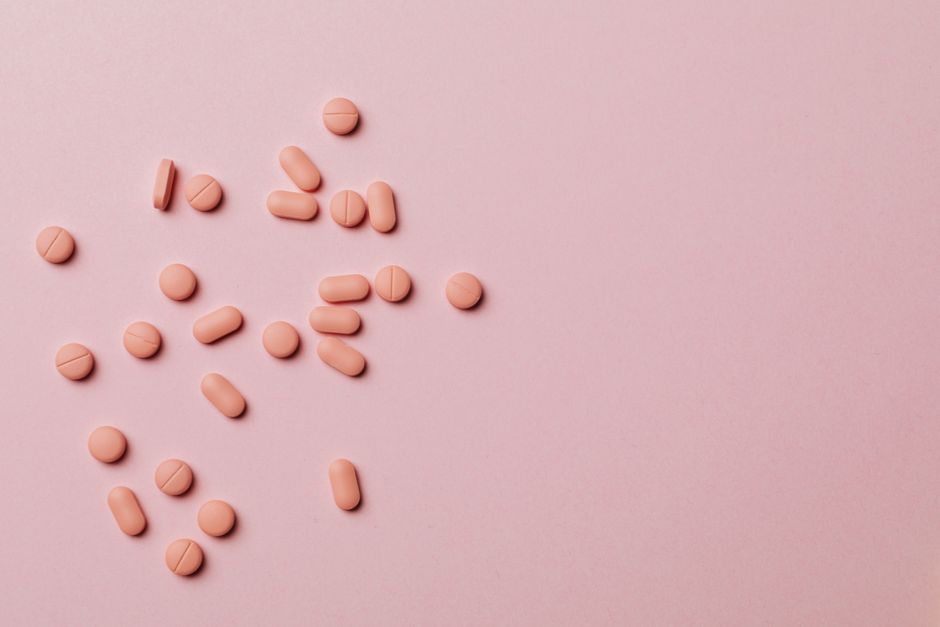
Heat can degrade many medications, but the effect depends on the drug, the temperature, and how long it was exposed. Most pills are not ruined by a warm afternoon. Extended heat above the storage range on the label is what actually causes problems. The bigger risk than a weakened pill is often a pill that has changed physically — melted, stuck together, or discolored — and can no longer be trusted.
Do Pills Go Bad In The Heat? Here’s What Happens
Yes, heat can break down the active ingredient in many medications. The chemical bonds that hold a drug molecule together can change when temperatures climb, and that can reduce how well the drug works.
Every medication has a stability profile. That is a measure of how long the drug keeps its full potency under specific conditions. Manufacturers test this carefully before a drug is approved. The storage instructions on the label come from that testing.
When a drug is exposed to heat beyond its tested range, the breakdown process speeds up. How fast depends on the drug itself. Some medications lose potency quickly. Others hold up well for hours or even days.
Heat does not always destroy a drug completely. In many cases it reduces potency by some amount. A pill that is 10 percent weaker may not matter for some conditions. For others, like seizure control or heart rhythm, even a small drop in dose can matter.
There is also a physical problem. Heat can melt coatings, soften gelatin capsules, and cause tablets to stick together. A pill that has visibly changed is harder to trust even if the active ingredient is intact.
What Temperature Actually Damages Medication?
Most medications are tested and labeled for storage at room temperature, which is generally defined as 68 to 77°F (20 to 25°C). That is the standard range used by manufacturers and pharmacies.
Short excursions outside that range are usually tolerated. Many drugs are tested for brief exposure to higher temperatures to account for real-world conditions like a warm car ride home from the pharmacy.
What matters most is how far above the range and for how long. A pill sitting in a 90°F room for a day is a different situation than a pill left in a 140°F car for several hours.
Car interiors are a real concern. On a mild 70°F day, the inside of a parked car can reach well above 100°F within an hour. On a hot day it can climb much higher. That kind of heat can affect many medications.
Some drugs are more heat-sensitive than others. Insulin, certain liquid antibiotics, and some hormone medications are known to lose potency faster. Always check the specific storage instructions for your medication.
How Do You Know If Your Medication Has Gone Bad?
Visible changes are the clearest warning sign. If a pill has changed in a way you can see or feel, treat it as suspect.
- Tablets that are stuck together or fused
- Capsules that are soft, melted, or leaking
- Pills with a new color, spots, or a chalky coating
- Creams or ointments that have separated or changed texture
- Liquids that look cloudy when they should be clear
- A strong or unusual smell
Not all damage is visible. A pill can lose potency without any outward change. That is the harder problem, because you cannot tell by looking.
One practical step is to compare a suspect pill to a fresh one from the same bottle or a new supply. Differences in color, texture, or smell are worth noting.
If you are unsure whether a medication has been compromised, call your pharmacist. They can tell you how heat-sensitive that specific drug is and whether it is safe to keep using.





Does Heat Affect All Medications The Same Way?
No. Heat sensitivity varies widely from drug to drug. Some medications are quite stable and tolerate short periods of warmth. Others break down quickly.
Liquid medications tend to be more vulnerable than tablets. Many liquid antibiotics, for example, need refrigeration after they are mixed. Leaving them out can reduce their effectiveness.
Insulin is a well-known example. It loses potency when exposed to heat, and it is also damaged by freezing. This is why insulin storage instructions are specific and why people who use it need to plan for travel and hot weather.
Some tablets are coated to protect the active ingredient. That coating can help against moisture and light, but it does not make the drug heatproof.
Certain drugs are also sensitive to light and moisture, not just temperature. That is why some medications come in dark containers or individual blister packs rather than a clear bottle.
If you take a medication for a serious condition, ask your pharmacist how heat-sensitive it is. That answer is more useful than a general rule.
What Should You Do If Your Pills Got Hot?
Do not assume they are fine and do not assume they are ruined. The right move depends on the drug and the exposure.
If the pills look and feel normal and were only briefly warm, they are often still usable. If they were exposed to high heat for a long time, or if they have changed physically, set them aside.
Call your pharmacist with the details. Tell them the medication, how hot it got, and how long it was exposed. They can give you a specific answer for that drug.
Do not double up on a dose to make up for a pill you think was weak. That can be dangerous. Never take more than your prescribed dose without talking to your doctor or pharmacist first.
If the medication is critical — for example, for seizures, heart conditions, or blood clotting — do not guess. Get a replacement supply if there is any doubt.
For medications you cannot easily replace, ask your pharmacist whether a short gap is safe or whether you need to act quickly.
How Should You Store Medication In Hot Weather?
Keep medications in a cool, dry place away from direct sun. A closed cabinet away from the stove, sink, and windows is usually a good choice.
The bathroom medicine cabinet is a common spot, but it is often a poor one. Bathrooms get warm and humid, and moisture can damage many drugs even when the temperature is fine.
During heat waves or travel, a few habits help:
- Keep medications out of parked cars, even for a short stop
- Use a small cooler or insulated bag for travel, but keep insulin and similar drugs from touching ice directly
- Check labels for drugs that need refrigeration and follow those instructions exactly
- Keep pills in their original container so you have the label and instructions
If you use a pill organizer, be aware that it removes the protective packaging. That can make pills more vulnerable to heat and moisture. For heat-sensitive drugs, it may be better to keep them in the original container.
When you travel by air, keep medications in your carry-on rather than checked luggage. Cargo areas can get very hot or very cold.
Does The Expiration Date Still Matter After Heat Exposure?
Yes, but heat can make a drug degrade faster than the expiration date suggests. The date on the label assumes the medication was stored as directed.
If a drug was stored properly, most medications remain stable up to their expiration date. Some research has looked at whether certain drugs stay potent well past that date, but those findings are specific to particular medications and storage conditions. They do not apply to all drugs.
What is clear is that improper storage can shorten a medication’s useful life. A pill kept in a hot car may lose potency long before its printed expiration date.
So the expiration date is a guide, not a guarantee, especially after heat exposure. If a medication has been through significant heat, the date on the bottle tells you less than the storage history does.
When in doubt, replace it. For most medications, the cost of a new supply is far lower than the risk of taking a drug that no longer works.
Frequently Asked Questions
Can pills go bad in the heat?
Yes, heat can break down the active ingredient in many medications and reduce their potency. The effect depends on the drug, the temperature, and how long it was exposed.
At what temperature do pills go bad?
Most medications are labeled for storage at 68 to 77°F (20 to 25°C). Brief exposure above that range is often tolerated, but higher heat for longer periods can cause damage.
How do I know if my medication has gone bad from heat?
Look for pills that are stuck together, melted, discolored, or have a new smell. A pill can also lose potency without any visible change, so call your pharmacist if you are unsure.
Is it safe to take pills that were left in a hot car?
It depends on the drug and how long it was exposed, so ask your pharmacist before using it. Pills left in a hot car for hours may have lost potency, especially heat-sensitive drugs like insulin.
