
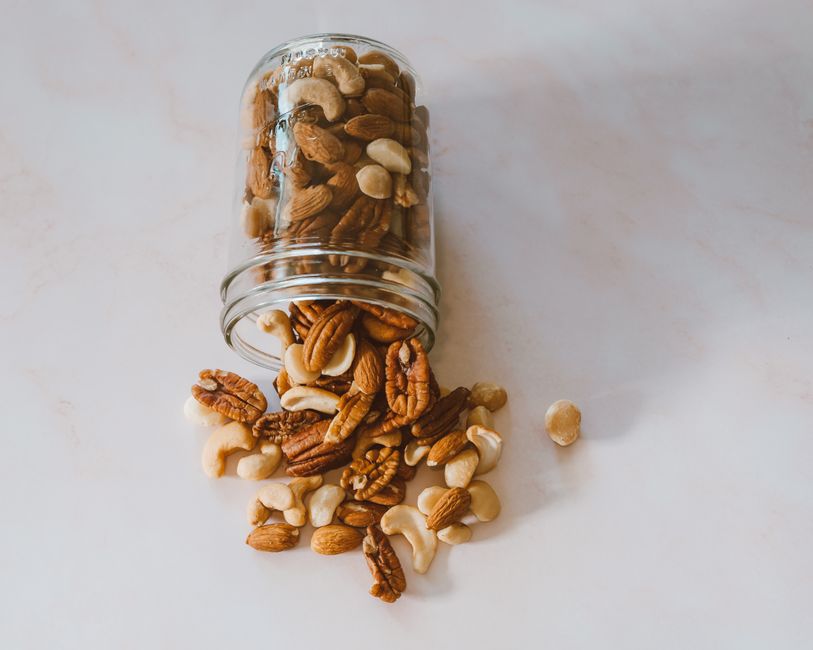
Yes, pecans have protein. A one-ounce serving of pecans, which is about 19 halves, contains roughly 2.6 grams of protein. That is not a massive amount compared to animal products or legumes, but it is a legitimate contribution to your daily intake. Pecans are primarily a source of healthy fats, but the protein they do contain counts toward your total daily needs.
Do Pecans Have Protein Compared to Other Nuts?
Pecans sit near the lower end of the protein spectrum when compared to other nuts. Almonds and pistachios lead the nut category with about 6 grams of protein per ounce. Walnuts provide around 4.3 grams per ounce. Cashews offer about 5 grams. Pecans and macadamias are at the bottom, both providing roughly 2 to 3 grams per ounce.
This does not make pecans a poor choice. It simply means you should not rely on them as your primary protein source. If you enjoy pecans, keep eating them for their fats, fiber, and minerals. Just pair them with other protein-rich foods if your goal is to hit a specific protein target.
What Else Is in a Serving of Pecans?
A single ounce of pecans provides about 196 calories. The vast majority of those calories come from fat — roughly 20 grams. Most of that fat is monounsaturated, the same type of fat found in olive oil and avocados. Research consistently shows that replacing saturated fats with monounsaturated fats supports heart health.
Pecans also deliver about 3 grams of fiber per ounce. That is meaningful for digestive health and satiety. They contain trace amounts of iron, calcium, and potassium, though not in quantities that will drastically change your daily totals. Pecans are notably rich in manganese and copper, two minerals involved in bone health and antioxidant defense.
One thing to watch is portion size. Because pecans are calorie-dense, a handful is a reasonable serving. It is easy to eat several hundred calories of pecans without noticing, especially when they are candied or coated.
Is Pecan Protein a Complete Protein?
No. Like most plant proteins, pecan protein is incomplete. That means it does not contain all nine essential amino acids in the amounts your body needs. The limiting amino acid in pecans is lysine, which is found in much higher amounts in meat, dairy, eggs, and legumes.
This is not a problem in practice. Your body pools amino acids from the foods you eat throughout the day. As long as you eat a varied diet, you do not need to carefully combine proteins at every meal. The old advice about food pairing at each sitting has been updated. Simply eating a mix of plant and animal foods — or a variety of plant foods — across the day provides adequate amino acids.





How Much Protein Do You Actually Need?
The Recommended Dietary Allowance for protein is 0.8 grams per kilogram of body weight per day for adults. For a 150-pound person, that comes to about 54 grams daily. That is the minimum needed to prevent deficiency, not an optimal target for athletes or older adults.
Many experts suggest higher intakes for certain groups. Older adults may benefit from 1.0 to 1.2 grams per kilogram to preserve muscle mass. People who strength train often aim for 1.6 to 2.2 grams per kilogram. No single number fits everyone, but the general direction is clear: most people need more protein than a handful of pecans can provide.
To put pecans in context, you would need to eat about 21 ounces of pecans to reach 54 grams of protein. That is over 4,000 calories. Clearly, pecans are not a practical protein solution on their own. They are a complement to a diet that includes other protein sources.
Do Pecans Help With Muscle Building or Weight Loss?
Pecans will not directly build muscle. Muscle growth requires a consistent surplus of dietary protein plus resistance training. Pecans simply do not contain enough protein to make a meaningful difference in that equation. Their fat content also makes them a poor choice for anyone trying to consume large amounts of protein without excess calories.
For weight management, the picture is more interesting. Some studies suggest that nuts, including pecans, support weight stability despite their calorie density. The likely reasons include their fiber content, their ability to increase feelings of fullness, and the fact that some of their fat may not be fully absorbed. That does not mean you can eat unlimited pecans without gaining weight. It means a moderate daily serving fits into a balanced diet without sabotaging your goals.
Are There Other Health Benefits of Eating Pecans?
Pecans have been studied for their effects on cholesterol and blood sugar. Some research suggests that eating pecans regularly can lower LDL cholesterol, the type linked to heart disease. The evidence is not overwhelming, but it is consistent with what we know about nuts in general. The FDA allows a qualified health claim for most nuts stating that eating 1.5 ounces daily may reduce the risk of heart disease.
Pecans also contain plant sterols and antioxidants, including vitamin E and ellagic acid. These compounds help neutralize free radicals in the body. Whether this translates into measurable health outcomes is less clear. Antioxidant activity in a lab dish does not always equal clinical benefit in humans.
One caution: pecans are a common trigger for people with tree nut allergies. If you have a diagnosed allergy to any tree nut, you should avoid pecans unless your allergist has confirmed you can tolerate them. Reactions can range from mild itching to life-threatening anaphylaxis.
How to Add Pecans to Your Diet Without Overdoing It
The simplest way to eat pecans is raw and unsalted. Roasting them brings out flavor but does not significantly change their nutrition. If you buy roasted pecans, check the label for added oils or salt. Many commercial roasted nuts are coated in sugar or hydrogenated oils, which defeats their health benefits.
A practical serving is a small handful, about one ounce. You can add them to oatmeal, yogurt, or salads. Chopped pecans work well in baked goods, though baking usually adds sugar and refined flour. If you are eating pecan pie, understand that the dessert is mostly sugar and butter — the pecans are not the main ingredient.
Pecan butter is another option, but check the ingredient list. It should contain only pecans. Many commercial nut butters add sugar, palm oil, and salt. These additions are unnecessary and reduce the nutritional quality of the product.
Do Pecans Have Protein: The Bottom Line
Pecans contain about 2.6 grams of protein per ounce. That is real protein, but it is modest compared to other nuts and most animal foods. Pecans are better understood as a source of healthy fats, fiber, and minerals than as a protein food.
Including pecans in your diet is a reasonable choice for most people. They are nutrient-dense and have been linked to improved cholesterol profiles in some studies. Just be honest about what they offer. If your goal is to increase protein intake, choose almonds, pistachios, or a non-nut source like Greek yogurt, eggs, or legumes. If your goal is a satisfying snack with healthy fats, pecans are an excellent option.
Frequently Asked Questions
How many grams of protein are in a handful of pecans?
A one-ounce handful of pecans contains about 2.6 grams of protein. That is roughly 19 pecan halves.
Are pecans a good source of protein?
Pecans are not a high-protein food. They provide less protein per serving than almonds, pistachios, or walnuts, so they are better viewed as a source of healthy fats.
Can eating pecans help me reach my daily protein goal?
Pecans can contribute a small amount to your daily protein intake, but you would need to eat thousands of calories worth to meet your needs. Pair them with higher-protein foods instead.
Do pecans have more protein than walnuts?
No. Walnuts contain about 4.3 grams of protein per ounce, while pecans contain about 2.6 grams per ounce.
