
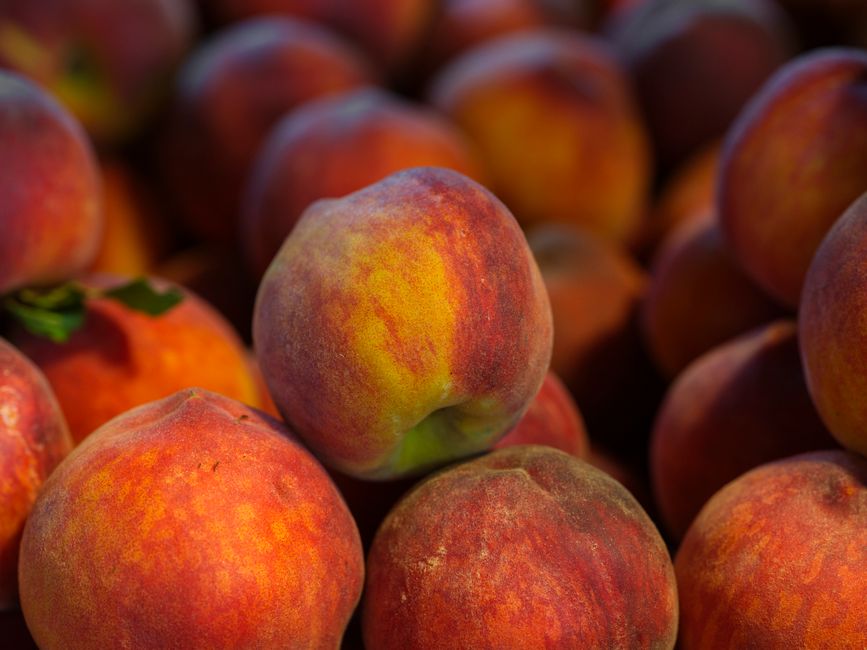
Yes, peaches have vitamin C. A medium raw peach with the skin on provides roughly 6 to 10 milligrams of vitamin C, depending on the variety and how ripe it is. That is a real amount, but it is modest compared with citrus fruit, kiwi, or bell peppers. If you are counting on a peach to cover your daily vitamin C needs, it will only get you part of the way there.
Do Peaches Have Vitamin C?
They do, and the amount is worth knowing precisely. According to USDA nutritional data, a medium raw peach (about 150 grams) contains roughly 6 to 10 milligrams of vitamin C. A large peach will land at the higher end of that range.
Vitamin C is water-soluble, which means your body does not store it. You need a steady supply from food each day. The current recommended daily allowance for adults is 75 milligrams for women and 90 milligrams for men, with an extra 35 milligrams per day for people who smoke. That means one peach covers somewhere around 7 to 13 percent of a typical adult’s daily need.
So peaches are a genuine source of vitamin C, just not a leading one. They contribute to your intake. They do not carry it on their own.
How Much Vitamin C Is in a Peach Compared to Other Fruit?
This is where peaches fall into perspective. A medium orange delivers around 70 milligrams of vitamin C. A single kiwi gives you roughly 60 to 70 milligrams. One cup of raw strawberries provides close to 85 milligrams. A medium peach, by contrast, sits in the single digits.
The table below uses USDA reference values for common fruits. All figures are approximate and vary with ripeness, variety, and storage.
| Fruit (typical serving) | Vitamin C (approx.) |
|---|---|
| Medium peach (150 g) | 6–10 mg |
| Medium orange | ~70 mg |
| Medium kiwi | ~60–70 mg |
| 1 cup strawberries | ~85 mg |
| 1 cup raw red bell pepper | ~95 mg |
One detail that surprises people: the skin holds more vitamin C than the flesh. Peeling a peach removes some of it. Eating the fruit whole, skin included, gives you the most vitamin C and fiber per bite.
Does Cooking or Canning Destroy the Vitamin C in Peaches?
Heat and processing reduce vitamin C content, but they do not wipe it out. Vitamin C is sensitive to heat, oxygen, and light. Cooking, canning, and prolonged storage all lower the amount present in the fruit.
Fresh peaches eaten soon after purchase have the most. Canned peaches generally contain less, though the exact loss depends on the canning method and how long the product has sat on the shelf. Frozen peaches, which are typically blanched and frozen shortly after harvest, often retain a comparable or sometimes higher level than fresh fruit that has spent days in transit and on a display shelf.
If vitamin C is your main goal, fresh or frozen peaches are the better choice. If you simply enjoy canned peaches, they still provide some vitamin C along with other nutrients. The loss is a matter of degree, not an all-or-nothing switch.





What Other Nutrients Do Peaches Provide?
Vitamin C is only part of the picture. Peaches also supply vitamin A in the form of beta-carotene, potassium, and dietary fiber, mostly in the skin. They contain smaller amounts of vitamin E and vitamin K.
Peaches are roughly 85 to 90 percent water, which makes them low in calories for their volume. A medium peach has around 50 to 60 calories. That combination of water, fiber, and modest calories is one reason fruit like peaches fits comfortably into most eating patterns.
They also contain polyphenol compounds, including chlorogenic acid and various flavonoids. These plant compounds are the subject of ongoing research. Some studies suggest they may have antioxidant activity in the body, but the clinical evidence for specific health outcomes in humans is limited. Antioxidant content in a test tube does not automatically translate into a health benefit when you eat the fruit. That distinction matters and is often blurred in marketing.
Can Peaches Help You Meet Your Daily Vitamin C Needs?
They can contribute, but they cannot do the job alone. To reach 75 to 90 milligrams of vitamin C from peaches only, you would need to eat a large number of them — far more than most people would eat in a day.
A more practical approach is variety. Peaches add vitamin C alongside other fruits and vegetables that carry more of it. A diet that includes citrus, berries, kiwi, bell peppers, broccoli, or tomatoes will cover your vitamin C needs comfortably. Peaches are a pleasant addition to that mix, not the foundation.
For most healthy adults eating a varied diet, vitamin C deficiency is uncommon. Scurvy, the classic deficiency disease, is rare in the United States. It appears mainly in people with severely restricted diets, certain malabsorption conditions, or heavy alcohol use. A peach a day will not prevent or treat any of those situations on its own.
Does the Type of Peach Matter?
Not much. Yellow and white peaches have similar vitamin C levels, with minor variation between varieties. White peaches tend to be a little sweeter and less acidic, but the vitamin C difference is small and not something to plan your diet around.
Doneness matters more than color. A riper peach is generally a little higher in vitamin C than an underripe one, though the gap is modest. The bigger variable is how the fruit is handled after harvest. Peaches that are stored too long, exposed to heat, or heavily processed lose more of their vitamin C before they reach your plate.
Nectarines, which are essentially peaches without the fuzzy skin, have a similar nutrient profile. So do most stone fruits in this family. None of them are vitamin C powerhouses, and none of them are empty either.
Is the Vitamin C in Peaches Enough to Matter?
It matters, just not dramatically. Every bit of vitamin C you take in counts toward your daily total, and food sources are generally preferable to supplements for meeting basic needs. Peaches make a real but small contribution.
The honest framing is this: peaches are a healthy fruit with a modest amount of vitamin C. They are not a substitute for higher-vitamin-C foods, and no credible source claims they are. If you enjoy peaches, eat them for what they are — a low-calorie, hydrating fruit with fiber, potassium, and a small but genuine dose of vitamin C. If you are specifically trying to boost your vitamin C intake, look to citrus, kiwi, berries, and bell peppers first, and let peaches play a supporting role.
Frequently Asked Questions
How much vitamin C is in one peach?
A medium raw peach with the skin on provides roughly 6 to 10 milligrams of vitamin C, based on USDA data. The amount varies with variety, ripeness, and how the fruit was stored.
Are peaches a good source of vitamin C?
They are a modest source, not a leading one. One peach covers only about 7 to 13 percent of an adult’s daily vitamin C need, compared with an orange that covers most of it.
Does peeling a peach remove vitamin C?
Yes, the skin contains more vitamin C than the flesh, so peeling removes some of it. Eating the peach whole with the skin gives you the most vitamin C and fiber.
Do canned peaches still have vitamin C?
They do, but generally less than fresh or frozen peaches because heat and processing reduce vitamin C content. The exact loss depends on the canning method and storage time.
