
Kidney failure is when your kidneys can no longer filter waste from your blood well enough to keep you healthy. You cannot always feel this happening because early kidney disease usually has no symptoms. The only reliable way to know if your kidneys are failing is through blood and urine tests that measure how well they filter.
What Do Your Kidneys Actually Do?
Your kidneys are two fist-sized organs located near the middle of your back, just below your rib cage. Each one contains about a million tiny filters called nephrons. These filters remove waste products and extra fluid from your blood, turning them into urine.
Your kidneys also balance important minerals like sodium, potassium, and calcium. They release hormones that control blood pressure and tell your body to make red blood cells. When kidney function drops, all of these jobs are affected.
Most people are born with more kidney function than they need. You can lose up to 40 percent of your kidney function without noticing any change in how you feel. This is why routine testing matters even when you feel completely fine.
How Do You Know If Your Kidneys Are Failing? Key Facts
The only accurate way to diagnose kidney failure is with medical testing. Two tests give your doctor the full picture.
The first is a blood test called estimated glomerular filtration rate, or eGFR. This measures how much blood your kidneys filter each minute. A normal eGFR is 90 or above. An eGFR below 60 for three months or longer means chronic kidney disease. An eGFR below 15 is classified as kidney failure.
The second is a urine test that checks for a protein called albumin. Healthy kidneys keep protein in your blood. When protein leaks into your urine, it is a sign the filters are damaged. This test is often called the urine albumin-to-creatinine ratio, or UACR.
These two tests together tell your doctor your kidney function and whether damage is happening. No symptom list can replace them.
Early Signs That Show Up in Lab Work First
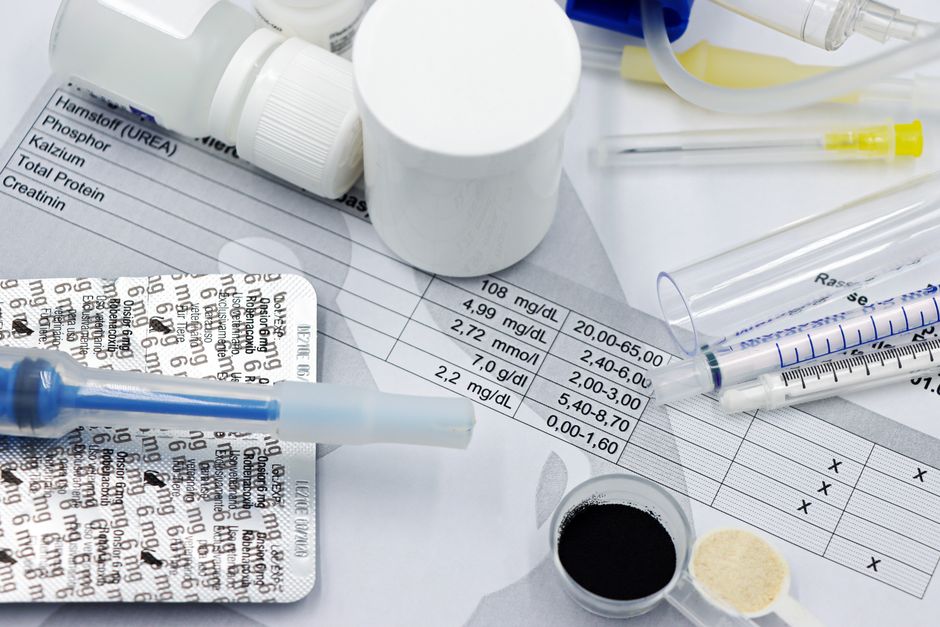
Before you feel anything, blood tests often show problems. Creatinine is a waste product from normal muscle breakdown. Healthy kidneys remove it from the blood. When creatinine levels rise, it usually means kidney function has dropped.
Your doctor also looks at your blood urea nitrogen, or BUN. Urea is another waste product the kidneys remove. When both creatinine and BUN rise together, it points to reduced kidney filtering.
Electrolyte imbalances also appear in lab work. Kidneys regulate potassium and sodium. High potassium, called hyperkalemia, can be dangerous and sometimes causes heart rhythm problems. Anemia can also develop because damaged kidneys produce less of the hormone that stimulates red blood cell production.




Physical Symptoms That Appear as Function Declines
When kidney function falls below about 30 percent, symptoms become more likely. But symptoms vary widely from person to person. Some people with very low function feel fine. Others feel sick at higher levels of function.
Swelling is a common symptom. When kidneys cannot remove extra fluid, it builds up in your tissues. You may notice puffiness in your ankles, feet, or hands. Pressing on the swollen area may leave an indentation.
Fatigue and weakness are also common. Damaged kidneys produce less erythropoietin, the hormone that signals your bone marrow to make red blood cells. Fewer red blood cells means less oxygen reaches your muscles and brain. This can make you feel tired even after a full night of sleep.
Changes in urination can occur. You might urinate more often, especially at night, or urinate less than usual. Your urine may look foamy, which suggests protein in it, or dark and bloody.
Shortness of breath can happen for two reasons. Extra fluid can build up in your lungs. Anemia also means your blood carries less oxygen, so your body works harder to breathe.
Other symptoms include persistent itching, muscle cramps, nausea, poor appetite, and trouble concentrating. These happen because waste products build up in the blood and affect every organ system.
Who Is at Higher Risk for Kidney Failure?
Diabetes is the leading cause of kidney failure. High blood sugar damages the small blood vessels inside the nephrons over many years. About 1 in 3 adults with diabetes has chronic kidney disease.
High blood pressure is the second leading cause. Uncontrolled hypertension damages the blood vessels that feed the kidneys. This creates a cycle where damaged kidneys raise blood pressure further, causing more damage.
Other risk factors include heart disease, obesity, a family history of kidney disease, and being over age 60. Certain ethnic groups have higher rates of kidney failure, including Black, Hispanic, and Native American populations. This is partly due to higher rates of diabetes and high blood pressure in these groups.
Some medications can damage kidneys over time. Regular long-term use of NSAIDs, such as ibuprofen and naproxen, can reduce blood flow to the kidneys. Some herbal supplements and certain antibiotics can also be harmful. Always tell your doctor about every medication and supplement you take.
What Happens When Kidneys Reach Failure?
When eGFR drops below 15, it is called kidney failure. At this point, your kidneys cannot keep up with filtering waste and fluid. Without treatment, waste products accumulate to dangerous levels.
Two main treatment options exist. Dialysis does the filtering work your kidneys no longer can. Hemodialysis uses a machine to filter your blood, usually three times per week. Peritoneal dialysis uses the lining of your abdomen as a filter and can be done at home.
Kidney transplant is the other option. A surgeon replaces your failed kidney with a healthy one from a living or deceased donor. A successful transplant can restore near-normal kidney function and eliminate the need for dialysis.
Some people choose not to start dialysis or pursue transplant. This is called conservative management. It focuses on managing symptoms and quality of life. This is a valid choice that should be discussed openly with your healthcare team.
Can Kidney Failure Be Reversed?
Acute kidney injury can sometimes be reversed. This is a sudden loss of kidney function, often from dehydration, infection, medication, or a blocked urinary tract. If the cause is treated quickly, kidney function may return to normal.
Chronic kidney disease is different. It develops slowly over years, usually from diabetes or high blood pressure. The damage to nephrons is generally permanent. However, progression can often be slowed significantly with treatment.
Blood pressure control is the most important step. Medications called ACE inhibitors and ARBs protect the kidneys beyond just lowering blood pressure. They reduce the pressure inside the nephrons themselves.
Blood sugar control matters greatly for people with diabetes. Keeping blood sugar in target range reduces further damage to kidney filters. A doctor can help you set realistic targets based on your overall health.
Dietary changes can also help. Reducing sodium eases fluid buildup and blood pressure. Limiting protein may reduce the workload on your kidneys, though this should be guided by a doctor or dietitian. Never start a low-protein diet on your own because you may not get enough nutrition.
When to See a Doctor
If you have diabetes, high blood pressure, or a family history of kidney disease, get tested at least once a year. These conditions silently damage kidneys for years before symptoms appear.
If you notice swelling, severe fatigue, changes in urination, or shortness of breath, do not wait for an annual checkup. Make an appointment sooner.
There is no home test that can reliably tell you your kidney function. At-home urine test strips exist, but they are not accurate enough to diagnose or rule out kidney disease. They can miss early damage and sometimes show false positives. Only a lab test provides reliable results.
Kidney failure is serious, but it is also manageable. Many people with chronic kidney disease live full lives for decades. The key is finding out early, treating the underlying cause, and working closely with your healthcare team.
Frequently Asked Questions
What is the first sign of kidney failure?
There is often no first sign because early kidney disease produces no symptoms. The first indication usually comes from blood or urine tests showing reduced filtration or protein in the urine.
Can you feel your kidneys failing?
Not reliably. Many people feel nothing until kidney function drops below about 30 percent, and some feel nothing even then. Symptoms like swelling, fatigue, and nausea only appear later.
What color is your urine when your kidneys are failing?
Urine can appear dark, bloody, or foamy, but it can also look completely normal. Urine color alone cannot diagnose kidney failure because many conditions change urine appearance.
How fast does kidney failure progress?
Chronic kidney disease usually progresses slowly over years or decades. The rate depends on the cause, blood pressure control, blood sugar control, and whether you take protective medications.
