
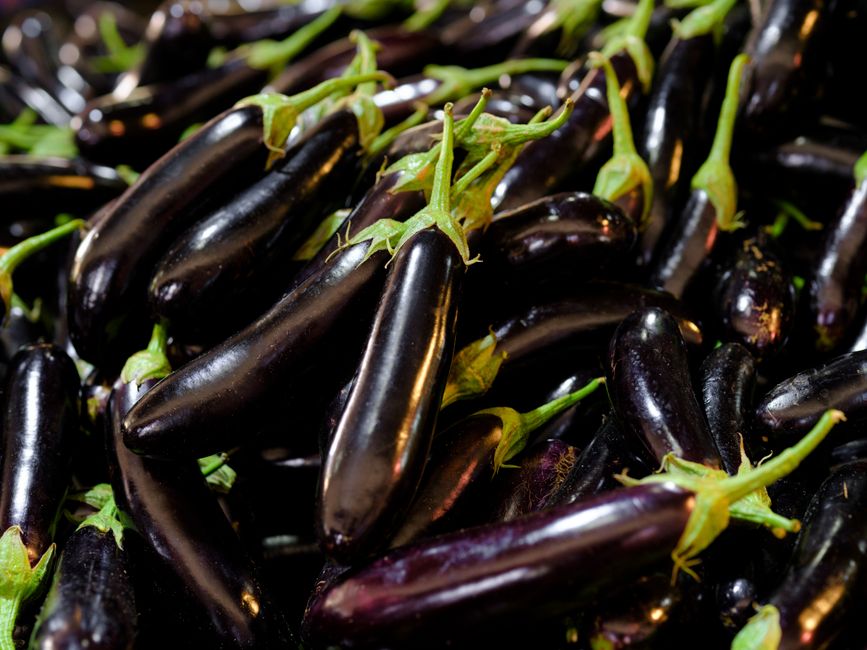
Nightshade vegetables do not cause inflammation in most people. Tomatoes, peppers, potatoes, and eggplant are common foods that contain a compound called solanine, and the idea that this compound triggers joint pain or swelling has spread widely online. The evidence for that claim is weak. For a small number of people with a genuine allergy or sensitivity, nightshades can cause symptoms — but that is different from causing inflammation in the general population.
The confusion matters because nightshades are some of the most nutrient-dense vegetables available. Avoiding them without a real reason means giving up fiber, vitamin C, potassium, and antioxidants that support health. This article explains what the science actually shows, where the concern comes from, and who might reasonably need to pay attention.
Where Did the Idea That Nightshade Vegetables Cause Inflammation Come From?
The concern traces back to solanine, a natural chemical found in plants in the nightshade family. Solanine is a type of alkaloid that plants produce as a defense against insects and animals. In high doses, it is toxic. That fact is real and well documented.
The leap from “solanine is toxic at high doses” to “nightshades cause inflammation in humans who eat normal amounts” is where the logic breaks down. The amounts of solanine found in ripe tomatoes, peppers, and eggplants are very low. Potatoes contain more, but still far below levels that cause harm in ordinary servings.
Some early animal studies and a handful of small human observations noted that certain people reported joint pain relief after cutting out nightshades. Those reports are anecdotal. They were not controlled trials. No large study has confirmed that removing nightshades reduces inflammation in people who do not have a specific sensitivity.
There is also a reasonable biological story that gets repeated: solanine may affect calcium metabolism or nerve function in ways that could theoretically worsen arthritis. That story sounds plausible. Plausibility is not proof. No well-designed human trial has shown this happens at normal dietary intake.
What Does the Research Actually Show About Nightshade Vegetables and Inflammation?
Research consistently shows that vegetables — including nightshades — are associated with lower levels of inflammation, not higher. Tomatoes, in particular, have been studied extensively. They are rich in lycopene, an antioxidant linked to reduced markers of oxidative stress in some studies.
Peppers contain capsaicin and other compounds that have been studied for pain relief. Some research suggests topical capsaicin can reduce pain in certain conditions, though this is different from eating peppers. Eggplant provides fiber and antioxidants. Potatoes supply potassium and vitamin C, especially when eaten with the skin.
The evidence that nightshades reduce inflammation is stronger than the evidence that they cause it. That said, the research is not uniform. Some people clearly react to certain foods, and food reactions can involve inflammation as part of the immune response.
What the research does not support is the broad claim that nightshades cause inflammation in most people. If that were true, populations that eat large amounts of tomatoes and peppers — such as people in Mediterranean and Latin American countries — would show higher rates of inflammatory disease. They do not.
Who Might Actually React to Nightshades?
A small number of people do react to nightshades, but the reasons are specific. The most clear-cut case is a true allergy, which is rare for these vegetables. Symptoms can include itching, hives, or swelling shortly after eating.
Another possibility is a sensitivity that is not a true allergy. Some people report digestive discomfort, joint pain, or skin changes after eating nightshades. These reports are real to the people experiencing them. What is not clear is how common this is or what mechanism causes it.
People with certain conditions may notice symptoms more often. Those with irritable bowel syndrome sometimes react to specific foods, though the trigger is usually not the nightshade itself but other compounds. People with acid reflux may find tomatoes and peppers worsen symptoms because they are acidic, not because they cause inflammation.
There is also a well-known issue with potatoes: green potatoes and potato sprouts contain much higher levels of solanine. Eating those can cause nausea, vomiting, and diarrhea. That is a real toxicity concern, but it is about spoiled or improperly stored potatoes, not normal potato consumption.


Should You Avoid Nightshades If You Have Arthritis?
Most people with arthritis do not need to avoid nightshades. The Arthritis Foundation and other major health organizations do not list nightshades as a food to avoid for arthritis. Some clinicians suggest trying an elimination diet if a patient reports symptoms, but this is based on individual experience rather than strong trial evidence.
If you have arthritis and suspect nightshades make your symptoms worse, an elimination trial is reasonable. The process matters. Remove all nightshades for two to four weeks. Track your symptoms carefully. Then reintroduce one nightshade at a time, waiting a few days between each. This helps you identify whether a specific food is involved or whether something else changed.
Be careful about what you replace nightshades with. Some people cut out tomatoes and peppers and end up eating more processed foods or fewer vegetables overall. That trade is unlikely to help. The goal is to identify a real trigger, not to remove a whole food group based on a theory.
If you have gout, the picture is different. Gout is a form of inflammatory arthritis, and diet does affect it. But the foods most linked to gout flares are red meat, organ meats, and alcohol — not nightshades. Some older research suggested tomatoes might be linked to gout attacks in a subset of people, but the evidence is limited and not confirmed in larger studies.
What Nutrients Would You Lose by Cutting Out Nightshades?
Nightshades contribute meaningful nutrients to the diet. Removing them without a good reason means finding those nutrients elsewhere.
- Tomatoes: lycopene, vitamin C, potassium, folate
- Peppers: vitamin C, vitamin A, vitamin B6, antioxidants
- Potatoes: potassium, vitamin C, vitamin B6, fiber (with skin)
- Eggplant: fiber, manganese, antioxidants in the skin
These are not trivial losses. Potassium helps regulate blood pressure. Vitamin C supports immune function and collagen production. Lycopene is one of the most studied antioxidants in the diet. Fiber supports gut health and helps control blood sugar.
If you do decide to remove nightshades, you can replace most of these nutrients with other foods. Sweet potatoes, carrots, leafy greens, and citrus fruits cover many of the same bases. But the replacement takes planning. Simply cutting nightshades without substituting other vegetables can leave gaps.
What Does the Evidence Say About Nightshades and General Health?
The overall picture is that nightshades are healthy foods for most people. They are vegetables. Diets high in vegetables are consistently linked to lower risk of chronic disease, including heart disease and some cancers. That finding is one of the most reliable in nutrition science.
The anti-nightshade movement is largely driven by anecdotal reports and mechanistic theories, not by clinical trials. That does not mean individual experiences are false. It means the general claim — that nightshades cause inflammation — is not supported by the evidence.
If you feel better without nightshades, that is worth paying attention to. But it is also worth asking whether something else changed at the same time. Many people who cut out nightshades also cut out processed foods, start cooking more at home, or make other changes that could explain the improvement.
For the vast majority of people, there is no health reason to avoid tomatoes, peppers, potatoes, or eggplant. They are affordable, versatile, and nutrient-dense. The burden of proof should be on the claim that they cause harm — and that proof does not exist.
Frequently Asked Questions
Do nightshade vegetables cause inflammation?
No, nightshades do not cause inflammation in most people. The evidence linking them to inflammation is weak and based mostly on anecdotal reports, not controlled trials.
What are the symptoms of a nightshade sensitivity?
Reported symptoms include joint pain, digestive discomfort, and skin changes after eating nightshades. These reports are real but not confirmed by research as a common reaction.
Should I stop eating nightshades if I have arthritis?
Most people with arthritis do not need to avoid nightshades, and major health organizations do not recommend it. If you suspect a trigger, a careful elimination trial with reintroduction is a reasonable way to test it.
Are potatoes a nightshade vegetable?
Yes, potatoes are in the nightshade family. Green potatoes and sprouts contain higher levels of solanine and should not be eaten, but normal potatoes are safe for most people.
