
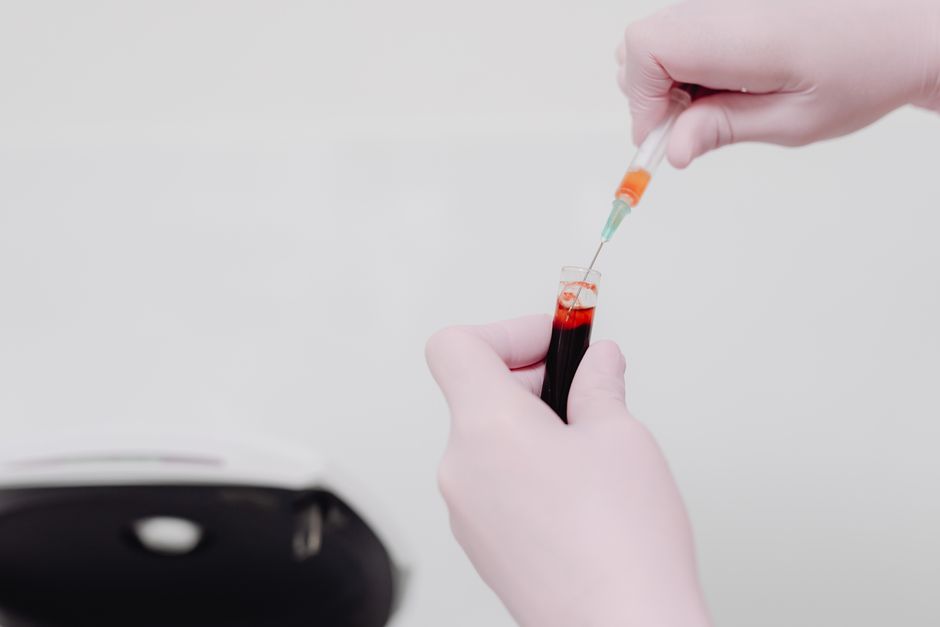
If you have joint pain, fatigue, or digestive trouble that will not go away, you have probably wondered if something in your body is inflamed. The short answer is yes — blood tests can show inflammation. But the real answer is more specific. No single test tells you everything. Doctors use a set of markers that point to inflammation somewhere in your body. These tests do not diagnose the cause. They flag that something is happening. Understanding which test is which matters more than most articles admit.
What Are the Standard Blood Tests for Inflammation?
Three tests are the standard tools doctors use to check for inflammation. The most common is C-reactive protein (CRP). Your liver makes this protein in response to inflammation. The test measures how much is in your blood. A high level means inflammation is present somewhere.
The second is erythrocyte sedimentation rate (ESR or sed rate). This test measures how fast your red blood cells sink in a tube of blood. When inflammation is present, certain proteins make red cells clump together and fall faster. It is an old test but still useful.
The third is ferritin. Most people know ferritin as an iron storage test. But ferritin also rises during inflammation as an acute phase reactant. A high ferritin level with normal iron stores can point to inflammation rather than iron overload. Doctors often miss this distinction.
Each of these tests gives a different piece of the picture. CRP responds quickly — it rises and falls within hours to days. ESR changes slowly over weeks. That difference matters when tracking a flare or treatment response.
Does a Normal CRP or ESR Rule Out Inflammation?
No. This is one of the most common misunderstandings about these tests. A normal CRP or ESR does not mean your body has zero inflammation. These tests only catch certain types. They are best at detecting systemic inflammation — the kind caused by autoimmune diseases like rheumatoid arthritis or lupus.
Low-grade inflammation can fly under the radar. This is the kind linked to obesity, poor diet, chronic stress, and gut issues. It is often too mild to trigger a high CRP or ESR. Yet it can still cause symptoms like brain fog, fatigue, and joint aches.
Research published in JAMA Internal Medicine has shown that people with normal CRP levels can still have elevated inflammatory markers in their tissues. The blood test simply misses it. This is not a flaw in the test. It is a limitation of what blood can tell us about what is happening in cells and organs.
Some doctors use a high-sensitivity CRP test (hs-CRP) to catch lower levels of inflammation. This test is more sensitive and is often used for heart disease risk assessment. But even hs-CRP has its limits. No blood test is a perfect inflammation detector.
What Blood Tests Show Inflammation in Autoimmune Disease?
When doctors suspect an autoimmune condition, they order more specific tests beyond CRP and ESR. The antinuclear antibody (ANA) test screens for autoimmune activity. A positive ANA suggests the immune system may be attacking the body’s own tissues. But it does not diagnose a specific disease. Many healthy people have a positive ANA with no symptoms.
More specific tests include rheumatoid factor (RF) and anti-CCP antibody for rheumatoid arthritis. For lupus, doctors check anti-dsDNA and anti-Smith antibodies. For ankylosing spondylitis and related conditions, HLA-B27 genetic testing is used.
These tests do not measure inflammation directly. They measure immune system markers that are often present when inflammation is happening. A person can have a positive autoantibody test with no inflammation at that moment. And someone can have active inflammation with negative autoantibody tests. This is why doctors never diagnose based on blood work alone.
The Centers for Disease Control and Prevention (CDC) reports that about 24 million Americans have an autoimmune disease. Many go undiagnosed for years partly because blood tests can be normal during early stages. If your symptoms suggest an autoimmune condition but your blood work looks clean, do not dismiss your experience. Ask for a referral to a rheumatologist.
-
 Does High Blood Pressure Cause Inflammation? What’s Actually True
 -
What Can I Take for Inflammation While on Blood Thinners?
-
Which Term Means Inflammation of a Vein? The Real Answer
-
How Do You Rid the Body of Inflammation? The Real Answer
-
Joint Genesis Reviews 2025 — Side Effects, Ingredients & Results





Can Blood Tests Show Inflammation from Infection?
Yes. When your body fights an infection, inflammation markers rise. CRP can spike dramatically — sometimes over 100 mg/L — during a bacterial infection. ESR also rises but more slowly. Doctors use these tests to tell viral from bacterial infections in some cases. A very high CRP often points to bacteria.
A complete blood count (CBC) with differential also helps. High white blood cell count suggests infection. High neutrophils point to bacteria. High lymphocytes point to viruses. These patterns are not perfect but they guide decisions about antibiotics.
Procalcitonin is a newer test that helps distinguish bacterial from viral infections. It is more specific than CRP for bacterial infection. Many hospitals use it to decide whether antibiotics are needed. It is not a routine test but is common in emergency settings.
Chronic infections like Epstein-Barr virus or Lyme disease can cause long-term inflammation that standard tests miss. Antibody tests for these infections are more useful than CRP or ESR for diagnosis. If you have ongoing fatigue and joint pain after an infection, ask your doctor about specific antibody testing.
What About Markers Like Homocysteine and Fibrinogen?
These are less commonly discussed but can be useful. Homocysteine is an amino acid that rises with inflammation and oxidative stress. High levels are linked to heart disease, stroke, and cognitive decline. It is not a direct inflammation test but often correlates with inflammatory states.
Fibrinogen is a protein involved in blood clotting. It rises during inflammation. Some research suggests it may be a better marker for cardiovascular inflammation than CRP. But it is not routinely ordered. Your doctor might check it if you have unexplained clotting issues or family history of heart disease.
Interleukin-6 (IL-6) and tumor necrosis factor-alpha (TNF-alpha) are direct inflammatory signaling molecules. These are rarely tested in standard medicine. They are mostly used in research settings or for monitoring specific treatments like biologic drugs. Do not expect your primary care doctor to order these without a strong reason.
A table can help you compare these markers side by side:
| Test | What It Measures | How Fast It Changes | Common Use |
|---|---|---|---|
| CRP | Liver protein response to inflammation | Hours to days | General inflammation screening |
| ESR | Red blood cell settling rate | Weeks | Monitoring autoimmune disease |
| Ferritin | Iron storage protein, rises with inflammation | Days to weeks | Iron status and inflammation |
| Fibrinogen | Clotting protein | Days | Cardiovascular risk |
| Homocysteine | Amino acid linked to inflammation | Weeks to months | Heart and brain health |
| IL-6 | Direct inflammatory signaling molecule | Hours | Research and biologic monitoring |
What Lifestyle Factors Show Up in Inflammation Blood Tests?
Your daily habits can shift these markers. Obesity is a major driver of low-grade inflammation. Fat tissue produces inflammatory cytokines. People with higher body fat often have mildly elevated CRP even when otherwise healthy. Weight loss of 5 to 10 percent can lower CRP measurably.
Smoking raises CRP and fibrinogen. Quitting brings levels down over months. Poor sleep also increases inflammatory markers. A study in Biological Psychiatry found that even one night of sleep deprivation raised IL-6 levels the next day. Chronic sleep loss keeps inflammation simmering.
Diet matters too. High sugar intake and processed foods trigger inflammatory responses. The Mediterranean diet — rich in vegetables, fruits, olive oil, and fish — has been shown in multiple studies to lower CRP and IL-6. This is one of the most consistent findings in nutrition research.
Stress is not just in your head. Psychological stress activates the immune system and raises inflammatory markers. Chronic stress keeps the system switched on. Stress management techniques like meditation and therapy have been shown to lower CRP in some studies. The effect is modest but real.
What Are the Limitations of Inflammation Blood Tests?
Here is the honest part that most articles skip. These tests tell you inflammation is present but not where or why. A high CRP could mean an infection, an autoimmune flare, a hidden injury, or even just obesity. It is a smoke alarm. It does not tell you where the fire is.
Many factors cause false elevations. Recent exercise can raise CRP temporarily. Pregnancy raises ESR. Some medications like statins lower CRP artificially. Even time of day matters — some inflammatory markers peak in the morning. A single abnormal result does not mean you have a disease.
Conversely, normal results do not mean you are healthy. As discussed earlier, low-grade inflammation can be invisible to standard tests. This is especially true for inflammation in the gut or brain. The blood-brain barrier keeps brain inflammation hidden from blood tests. Gut inflammation may only show up in stool markers like calprotectin.
If your blood tests are normal but you still feel inflamed, trust your body. Push for further investigation. Ask about stool testing for gut inflammation. Ask about advanced imaging if joint pain is your main symptom. Blood work is a starting point, not a final answer.
Some people report that functional medicine doctors use a wider panel of inflammatory markers. Tests like hs-CRP, oxidized LDL, and myeloperoxidase are sometimes included. While these can be more sensitive, strong evidence that they improve outcomes is limited. As of 2026, the U.S. Preventive Services Task Force does not recommend routine screening with these markers for asymptomatic people. More data is needed.
Common Misconceptions About Inflammation Blood Tests
One common myth is that a high CRP always means you need medication. Not true. Many people lower CRP through lifestyle changes alone. Weight loss, better sleep, stress reduction, and an anti-inflammatory diet often work as well as drugs for mild elevations. Medication is needed when inflammation is severe or caused by an autoimmune disease.
Another misconception is that you need to fast before these tests. For CRP and ESR, fasting is not required. Your doctor might ask you to fast if they are checking other things like cholesterol at the same time. But the inflammation markers themselves are not affected by food.
Some people believe that a normal ESR means no inflammation. This is wrong. ESR can be normal in people with active inflammation, especially if the inflammation is mild or localized. CRP is more sensitive for acute changes. Neither test is perfect alone. Doctors usually order both for a fuller picture.
And finally, the idea that you can “cure” inflammation with supplements is largely unsupported. While turmeric, omega-3s, and ginger have anti-inflammatory properties in lab studies, clinical evidence that they normalize blood markers in humans is mixed. Most studies show small effects at best. Management, not cure, is the realistic goal for chronic inflammation.
Frequently Asked Questions
What is the most accurate blood test for inflammation?
No single test is perfectly accurate. CRP and ESR together give the best general picture. For specific conditions, autoantibody tests like anti-CCP or ANA are more targeted.
Can blood tests show inflammation even if I feel fine?
Yes. Many people have elevated CRP or ESR without symptoms. This is called subclinical inflammation and is linked to future health risks like heart disease.
How long does it take for inflammation markers to go down?
CRP can drop within days after the cause is removed. ESR takes weeks to months to normalize. Lifestyle changes usually take three to six months to show improvement.
Do I need to see a specialist for inflammation blood tests?
Your primary care doctor can order basic tests. If results are abnormal or your symptoms persist, a rheumatologist is the right specialist for autoimmune and inflammatory conditions.
