
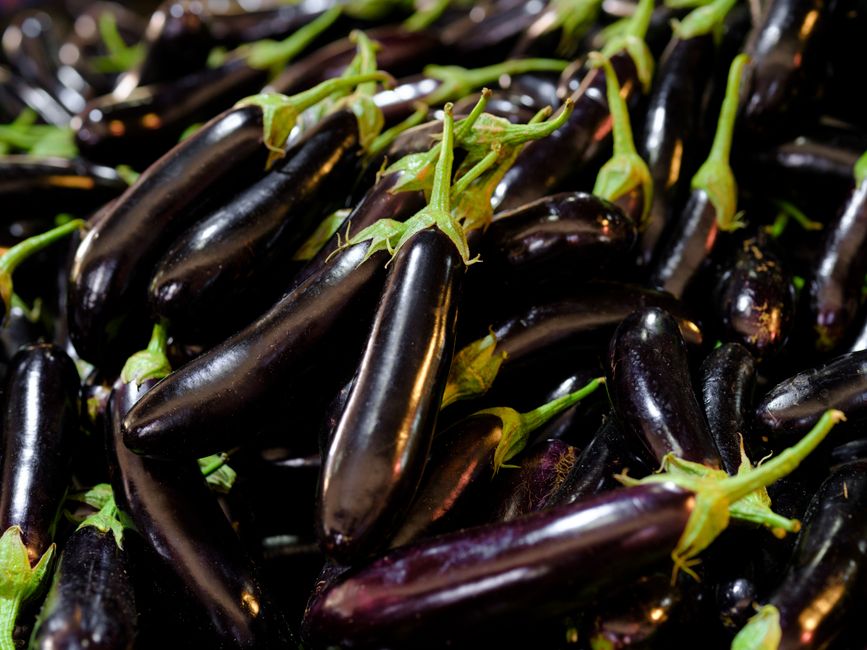
If you have an autoimmune condition or chronic joint pain, you have probably been told to avoid tomatoes, potatoes, peppers, and eggplant. The claim is that these nightshade plants cause inflammation. The honest answer is that for most people, the evidence does not support this. Nightshades are not inherently inflammatory foods. But there is a smaller group of people for whom something in these plants may genuinely be a problem, and that group is worth understanding clearly rather than dismissing.
Let’s look at what nightshades actually contain, what the research shows, and why the advice to cut them out keeps circulating even though the science is thin.
What Are Nightshade Plants?
Nightshades belong to a plant family called Solanaceae. It is a large family that includes both foods and some genuinely toxic plants. The edible members you are most likely to eat are tomatoes, potatoes, eggplant, and peppers of all kinds, including bell peppers, jalapeños, and cayenne.
The family also contains tobacco and belladonna, also called deadly nightshade. That last one is where a lot of the fear comes from. If a plant family includes a plant called deadly nightshade, it is easy to assume the whole family is suspect. But family membership in botany does not work that way. Being related to a toxic plant says nothing about whether a food is safe or inflammatory.
What the edible nightshades share is a group of compounds called alkaloids. The main one people point to is solanine, found in potatoes, and tomatine, found in tomatoes. These are natural pesticides the plants make to defend themselves against insects and fungi. They are real chemicals. The question is whether the amounts in a normal diet do anything harmful to humans.
Do Nightshade Plants Cause Inflammation?
There is no strong evidence that eating normal amounts of nightshade vegetables causes inflammation in healthy people. In fact, the picture is largely the opposite. Tomatoes, peppers, and eggplant are staples of the Mediterranean diet, which is one of the most studied eating patterns in the world and is consistently associated with lower markers of inflammation.
The confusion comes from mixing up two different things. A compound being present in a food does not mean it causes harm at the dose people actually eat. Solanine and tomatine are present in nightshades, but the levels in ripe, properly stored, cooked supermarket produce are low. The body handles them without trouble in most people.
Where the story gets more interesting is in a specific subgroup. Some people with autoimmune conditions report that removing nightshades reduces their symptoms. That is a real report from real people. What is missing is good controlled research confirming it. Case reports and personal experience are not the same as a clinical trial. So the honest position is this: there may be a subset of people who react to something in nightshades, but we do not have solid evidence identifying who they are or why.
Why Do People Believe Nightshades Are Inflammatory?
The belief grew out of the autoimmune and anti-inflammatory diet communities, not out of mainstream nutrition science. Several ideas feed into it.
One is the alkaloid argument. The logic goes that because solanine can be toxic at very high doses, even small amounts must stress the body. This skips an important step. Many substances are harmful at high doses and harmless at low ones. The dose is what matters, and food-level doses are far below the toxic range.
Another is the lectin argument, which overlaps with nightshade claims. Some popular diet books group nightshades with other foods said to cause “leaky gut.” The science behind this for nightshades specifically is weak. The gut lining is a real and important structure, but the claim that everyday nightshade vegetables damage it in most people is not supported by strong human evidence.
A third factor is that people often cut nightshades at the same time they make other changes. They also cut gluten, sugar, alcohol, or processed food. When symptoms improve, the nightshade gets the credit. That is a common and understandable mistake, but it makes it hard to know what actually helped.





What About Solanine in Potatoes?
Solanine is real, and there are genuine safety rules around it. This is one area where the concern is legitimate, but it is about spoiled or green potatoes, not normal ones.
Potatoes naturally contain solanine, mostly in the skin and in the sprouts, or “eyes.” When a potato is exposed to light, it turns green and produces more solanine. Green skin, sprouting, and a bitter taste are signs that solanine levels have risen. Eating a lot of green or sprouted potatoes can cause solanine poisoning, with symptoms like nausea, vomiting, diarrhea, and stomach cramps.
The practical takeaway is simple and well established:
- Store potatoes in a cool, dark place, not in sunlight.
- Do not eat potatoes that are heavily green or have long sprouts.
- Peeling green-tinged potatoes removes much of the solanine, but if the potato is very green or bitter, throw it out.
- Normal, properly stored, ripe potatoes are not a concern for most people.
This is a food safety issue, not an inflammation issue. It is worth knowing, but it does not mean potatoes cause chronic inflammation.
Who Might Actually React to Nightshades?
Some people do seem to react, and it is worth taking that seriously without overstating it. A few patterns show up in clinical practice and in patient reports.
People with existing autoimmune conditions sometimes report joint pain, skin flares, or digestive symptoms they connect to nightshades. The evidence here is limited and mostly anecdotal. Some clinicians suggest a trial elimination for these patients, but this is common practice rather than a strongly supported recommendation.
There is also a separate and better-understood issue: allergy. True allergy to nightshades is uncommon but documented, particularly with tomatoes. Symptoms can include itching, hives, or oral allergy syndrome, where the mouth tingles after eating raw tomato. This is an immune reaction, but it is different from the vague “inflammation” claim. If you have these symptoms, that is a reason to see an allergist, not to guess.
Finally, some people react to peppers because of capsaicin, the compound that makes them hot. Capsaicin can irritate the stomach and gut in sensitive people. That is a direct irritation, not an inflammatory disease process.
Should You Try Cutting Out Nightshades?
For most people, there is no good reason to avoid nightshades. They are nutritious. Tomatoes are a major source of lycopene, and peppers are high in vitamin C. Eggplant provides fiber. Removing them can mean losing real nutritional value.
If you have a chronic condition and you suspect nightshades are involved, an elimination trial is a reasonable thing to discuss with your doctor or a registered dietitian. The key is to do it properly, because a poorly run trial tells you almost nothing.
A useful approach looks like this:
- Remove all nightshades for a set period, often a few weeks.
- Change nothing else during that time, so you can tell what is doing what.
- If symptoms improve, reintroduce one nightshade at a time, spaced out, and track what happens.
- If nothing changes, there is no reason to keep avoiding them.
Doing this with a professional matters. It is easy to misread your own results, and cutting whole food groups can lead to gaps in your diet if you are not careful. Do not stay on a restrictive diet long term without a clear reason and without guidance.
The Bottom Line on Nightshades and Inflammation
Nightshade plants are not a proven cause of inflammation in the general population. The idea that they are comes mostly from theory, personal reports, and diet culture, not from strong human research. For most people, tomatoes, potatoes, peppers, and eggplant are healthy foods that can stay on the plate.
At the same time, dismissing everyone’s experience is not right either. A small number of people, often those with autoimmune conditions, may genuinely feel better without them. We just do not have the research to say who those people are or why it happens. If you think you are one of them, test it carefully with a professional rather than assuming.
Be wary of any source that tells you nightshades are poison for everyone. That claim goes further than the evidence allows. Be equally wary of anyone who says your symptoms are all in your head. The truth sits in the middle, and it is more honest than either extreme.
Frequently Asked Questions
Do nightshade plants cause inflammation in everyone?
No. There is no strong evidence that nightshades cause inflammation in most people, and they are part of many anti-inflammatory eating patterns. A small number of people report reacting to them, but good research confirming this is lacking.
Are potatoes inflammatory because of solanine?
Normal, properly stored potatoes are not a concern for most people. Solanine only becomes a real risk in green, sprouted, or bitter potatoes, which is a food safety issue rather than an inflammation one.
Should I stop eating tomatoes if I have arthritis?
There is no strong evidence that tomatoes make arthritis worse, so most people with arthritis do not need to avoid them. If you suspect a link, a careful elimination trial with your doctor or dietitian can help you find out.
How do I know if nightshades are actually affecting me?
The only reliable way is a structured elimination and reintroduction trial, changing nothing else at the same time. Doing this with a professional helps you avoid misreading the results.
