
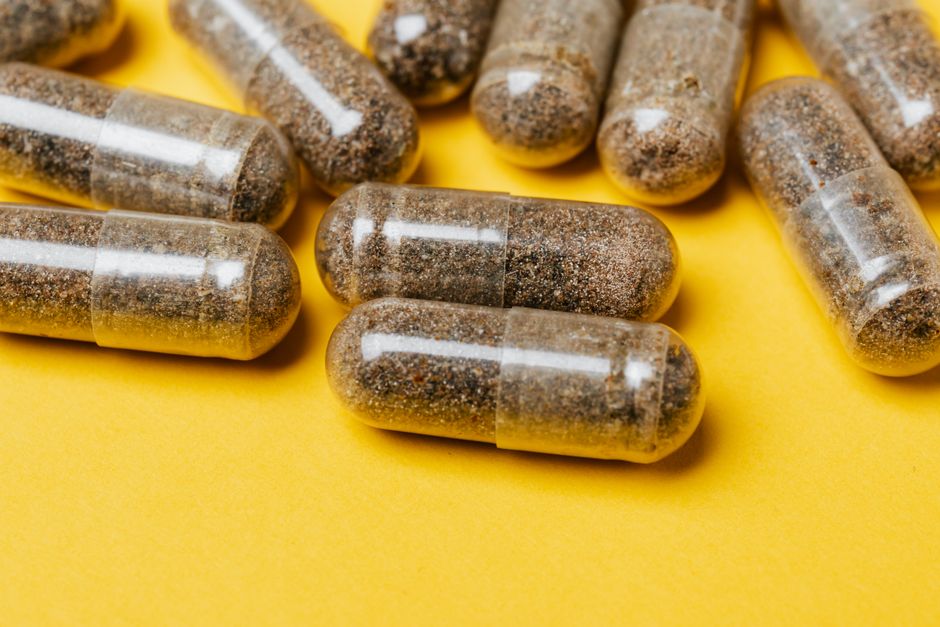
Standard workplace drug tests do not detect psilocybin mushrooms. The typical urine panel screens for marijuana, cocaine, opioids, amphetamines, PCP, and sometimes benzodiazepines or alcohol. Psilocybin is not on that list, so a routine pre-employment or random workplace screen will not flag it. Specialized tests exist, but they are rarely used outside research, forensic, or clinical settings.
Do Mushroom Show Up On A Drug Test?
No, not on a standard drug test. The most common screens — urine immunoassays used by employers, courts, and treatment programs — are built to catch a specific list of substances. Psilocybin and its active metabolite, psilocin, are not among them.
That is not because the test cannot be designed to find them. It is because the standard panels target drugs with high rates of workplace use, established impairment risks, and reliable detection methods. Psilocybin sits outside that group.
To detect psilocybin, a lab needs a targeted test specifically designed for it. These exist. They are just not part of routine screening. A standard 5-panel, 10-panel, or even 12-panel urine test will not include psilocybin unless someone has specifically requested it.
One clarification worth knowing: the body converts psilocybin into psilocin very quickly. Psilocin is what actually produces the psychoactive effects. Any specialized test looking for mushrooms would be looking for psilocin, not psilocybin itself.
What Do Standard Drug Tests Actually Screen For?
A standard 5-panel urine test checks for five drug classes. These are the most common panels used in workplace screening.
- THC (marijuana metabolites)
- Cocaine (benzoylecgonine)
- Opiates (codeine, morphine, heroin metabolites)
- Amphetamines (including methamphetamine and MDMA in some panels)
- PCP (phencyclidine)
A 10-panel test adds barbiturates, benzodiazepines, methadone, methaqualone, and propoxyphene. A 12-panel may add hallucinogens like LSD and ecstasy. Even the expanded panels typically do not include psilocybin.
The reason is practical. Immunoassay screens use antibodies that bind to specific drug molecules or their metabolites. Creating a reliable antibody test for psilocin is possible but not cost-effective for routine screening when the prevalence of use is relatively low compared to the drugs already on the panel.
This means the answer to “do mushroom show up on a drug test” depends entirely on which test. Standard panels: no. Specialized tests: yes, but only if someone is specifically looking.
When Would a Drug Test Actually Detect Mushrooms?
Specialized testing for psilocybin does exist. It is used in specific contexts, not routine screening.
Forensic toxicology labs can detect psilocin in urine, blood, and hair samples using advanced methods like liquid chromatography-mass spectrometry (LC-MS) or gas chromatography-mass spectrometry (GC-MS). These are highly sensitive and specific. They are also expensive and require specialized equipment.
Clinical research settings sometimes test for psilocybin when studying its effects. Researchers need to confirm dosing and track metabolites. These tests are not available at a standard occupational health clinic.
Emergency rooms may test for psilocybin if someone arrives with symptoms suggesting hallucinogen toxicity and the clinical picture is unclear. Even then, treatment is based on symptoms, not test results. Knowing the specific drug rarely changes emergency care for intoxication.
Some sober living homes, probation programs, or specialized treatment centers may include psilocybin in their panels if there is a known history of use. This is the exception, not the rule.
The detection window for psilocin in urine is short. Most sources suggest it can be detected for up to 24 hours after use, sometimes less. This is much shorter than THC, which can be detected for days to weeks depending on frequency of use. The short window makes detection even less likely in practice.

Why Don’t Standard Tests Include Psilocybin?
Drug testing panels are designed around several factors: prevalence of use, impairment risk, detection reliability, and cost. Psilocybin scores low on the first two compared to the drugs typically included.
Marijuana, cocaine, opioids, and amphetamines are far more common in workplace and legal settings. They also have well-documented impairment profiles and established links to accidents and health harms. Psilocybin use is less prevalent and typically not associated with workplace impairment in the same way, partly because its effects are short-lived and it is not generally used daily.
Cost matters too. Adding a compound to a standard panel requires developing and validating an assay, training lab staff, and running quality controls. For a drug with low detection rates, the cost per positive result would be very high. Employers and testing companies make economic decisions about what to include.
There is also the question of what the test is meant to accomplish. Workplace drug testing aims to identify impairment risk and deter use of drugs that could affect safety-sensitive jobs. Psilocybin’s acute effects last several hours, but it is not typically a drug someone uses before or during work. This reduces its relevance to most workplace testing programs.
Can Mushrooms Cause a False Positive on a Drug Test?
There is no established evidence that psilocybin mushrooms cause false positives on standard drug tests. The antibodies in immunoassays are designed to bind specific molecular structures. Psilocin does not closely resemble the target molecules for THC, cocaine, opioids, amphetamines, or PCP.
False positives do happen on drug tests. They are usually caused by cross-reactivity with other substances. Common examples include certain cold medications triggering amphetamine screens, poppy seeds triggering opiate screens, and some antidepressants or antipsychotics triggering false positives on various panels. Psilocybin is not a known cross-reactant for any standard panel component.
Some people worry that eating mushrooms — the culinary kind — could trigger a positive. This is not supported by evidence. Common edible mushrooms like button, portobello, shiitake, and oyster do not contain psilocybin or related compounds. They will not cause a positive on any standard drug test.
The only scenario where a mushroom product could cause a drug test issue is if the product is adulterated with another drug. This is rare but possible with unregulated supplements. The risk comes from the contaminant, not the mushroom itself.
What About Hair, Blood, and Saliva Tests?
Different drug testing methods have different detection capabilities and windows. Understanding these helps clarify when mushrooms might be detected.
| Test Type | Standard Panel Includes Psilocybin? | Detection Window (if specialized test used) |
|---|---|---|
| Urine | No | Up to 24 hours |
| Blood | No | Up to 12 hours |
| Saliva | No | Up to 24 hours |
| Hair | No | Up to 90 days (specialized only) |
Hair testing has the longest detection window for most drugs. Psilocin can potentially be detected in hair for up to 90 days if a specialized test is used. However, hair tests are less common than urine tests and are typically used for pre-employment screening or legal cases. They still do not include psilocybin on standard panels.
Blood tests have the shortest detection window. Psilocin is cleared from blood relatively quickly, usually within 12 hours. This makes blood testing impractical for routine screening even if someone wanted to include it.
Saliva tests are becoming more common for workplace screening because they are easier to administer and harder to adulterate. Like urine tests, standard saliva panels do not include psilocybin.
What Should You Know About Detection and Legality?
Psilocybin is a Schedule I controlled substance under federal law in the United States. This means it has no accepted medical use under federal law and high potential for abuse, according to the DEA classification. Some states and cities have decriminalized or legalized psilocybin for therapeutic or personal use, but federal law has not changed.
Even though standard drug tests do not detect psilocybin, this does not mean use is without risk. Legal consequences can still apply if possession is discovered through other means. Employment consequences can also occur if an employer has reasonable suspicion and conducts a specialized test or investigates through other channels.
The detection question is separate from the legality question. A drug test not finding something does not make it legal. And a negative test does not protect someone from other consequences if evidence of use or possession emerges another way.
For anyone in a safety-sensitive job or subject to drug testing, understanding what tests can and cannot detect is useful. But it should not be confused with guidance on whether to use a substance. The health risks of psilocybin — including psychological distress, impaired judgment during use, and risks for people with certain mental health conditions — are separate from detection concerns.
Frequently Asked Questions
Do mushroom show up on a drug test?
No, psilocybin mushrooms do not show up on standard drug tests. Routine urine, blood, saliva, and hair panels do not include psilocybin or psilocin unless a specialized test is specifically requested.
Can eating regular mushrooms cause a false positive on a drug test?
No, common edible mushrooms like button, portobello, and shiitake do not contain psilocybin and do not cause false positives on standard drug tests. False positives are typically caused by cross-reactivity with medications, not food.
How long do mushrooms stay in your system?
Psilocin, the active metabolite, can typically be detected in urine for up to 24 hours after use if a specialized test is used. Blood detection is even shorter, usually under 12 hours.
What drugs are on a standard 5-panel drug test?
A standard 5-panel test screens for THC, cocaine, opiates, amphetamines, and PCP. Psilocybin is not included on this panel or on most expanded panels.
