

Nerve pain feels different from other pain. It can burn, tingle, or shoot through your body like an electric shock. Many people wonder if a muscle relaxer help with nerve pain, and the short answer is: sometimes, but not in the way you might think. Muscle relaxers do not stop the nerve itself from misfiring. Instead, they calm the muscles that tighten up around the injured or irritated nerve. For some people, that muscle relief is enough to take the edge off. For others, it does nothing at all.
What Is Nerve Pain and How Does It Feel?
Nerve pain, also called neuropathic pain, starts when the nervous system itself is damaged or not working right. This is different from nociceptive pain, which is the normal pain you feel from a cut, burn, or sprain. With nerve pain, the signals are faulty. The nerve sends pain messages to the brain even when there is no obvious tissue damage happening.
People describe nerve pain in many ways. It can feel like burning, tingling, numbness, or a “pins and needles” sensation. Some describe it as an electric shock. Others feel a deep aching or pressure. The pain can be constant or come and go. It can be triggered by something as light as a bedsheet touching the skin, a condition called allodynia.
Common causes of nerve pain include diabetes, shingles, sciatica, pinched nerves in the spine, and injuries that damage nerves directly. Some people develop nerve pain after surgery. Others have it from conditions like multiple sclerosis or from chemotherapy treatment.
How Do Muscle Relaxers Actually Work?
Muscle relaxers are a broad group of medications. They are not all the same. Some work on the central nervous system, meaning the brain and spinal cord. Others work more directly on the muscle tissue itself. What they share is that they reduce muscle tension and spasms.
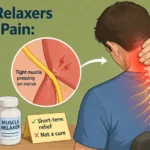
When a nerve is irritated, the muscles around it often tighten up. This is a protective response. Your body is trying to splint the area to prevent further injury. But that tight muscle can press on the nerve even more, creating a painful loop. The nerve causes the muscle to spasm. The spasm compresses the nerve. The nerve gets more irritated.
Muscle relaxers can break this loop. By relaxing the muscle, they reduce the pressure on the nerve. This is why they are commonly prescribed for conditions like low back pain and neck pain, where muscle spasms often accompany nerve compression.
It is important to understand that muscle relaxers do not fix the underlying nerve problem. They do not repair damaged nerves. They do not change how the nerve itself sends signals. They simply address one piece of the puzzle: the muscle tension that makes things worse.
Do Muscle Relaxers Help with Nerve Pain Directly?
No. Muscle relaxers do not target the nerve directly. Medications that are proven to help nerve pain work on the nervous system itself. These include drugs like gabapentin, pregabalin, and certain antidepressants. These medications change how the nerve and brain process pain signals. Muscle relaxers do not do this.
However, the indirect effect can still be helpful. If a large part of your pain comes from muscle spasms squeezing a nerve, then relaxing that muscle can reduce the pain. This is why some doctors prescribe muscle relaxers for conditions like sciatica or cervical radiculopathy, where both muscle spasm and nerve irritation are present.
The evidence for muscle relaxers in nerve pain is limited. Some research suggests they can help with acute back pain and muscle spasms. The evidence for chronic nerve pain is weaker. Many studies show only modest benefit, and the side effects can be significant. Drowsiness, dizziness, and confusion are common. These effects can be dangerous for older adults, who are at higher risk of falls and fractures.
If your doctor prescribes a muscle relaxer for nerve pain, it is likely because they suspect muscle spasm is contributing to your symptoms. It is not a first-line treatment for neuropathic pain itself. It is often used as an add-on therapy alongside medications that target the nerve directly.




What Are the Common Types of Muscle Relaxers?
There are two main categories of muscle relaxers. The first group is called antispasmodics. These work on the central nervous system to reduce muscle spasms. Examples include cyclobenzaprine, tizanidine, and baclofen. These are the ones most often prescribed for back and neck pain.
The second group is called antispastics. These work more directly on the spinal cord and muscle tissue. They are used for conditions like multiple sclerosis or cerebral palsy, where the muscles are constantly tight. Examples include dantrolene and baclofen, though baclofen can be used in both categories.
Benzodiazepines like diazepam are sometimes used as muscle relaxers too. They are very effective at relaxing muscles, but they carry a high risk of dependence and tolerance. They are generally not recommended for long-term use. Because of the addiction risk, doctors are cautious about prescribing them for chronic pain.
Each medication has a different side effect profile. Cyclobenzaprine is known for causing significant drowsiness. Tizanidine can cause dry mouth and low blood pressure. Baclofen can cause weakness and confusion. None of these are gentle medications. They all affect the brain, which is why they make people feel sedated.
When Might a Muscle Relaxer Be Worth Trying?
There is no simple answer that works for everyone. Some people find real relief from muscle relaxers. Others get all the side effects and none of the benefit. Your response depends on the cause of your nerve pain and whether muscle spasm is a major factor.
If your pain is caused by a pinched nerve in the spine, and you can feel the muscles in your back or neck are tight and knotted, a muscle relaxer might help. If your nerve pain is from diabetes or shingles, muscle relaxers are unlikely to help because muscle spasm is not the driving force.
Doctors typically use muscle relaxers for short periods. They are not meant for long-term use. Most guidelines recommend using them for two to three weeks at most. This is because the evidence for long-term benefit is weak, and the risks of dependence and side effects increase over time.
If you and your doctor decide to try a muscle relaxer, start with a low dose. Take it at night if it makes you sleepy. Do not drive or operate machinery until you know how it affects you. Be honest with your doctor about how it feels. If it does not help within a few weeks, it is probably not the right medication for you.
What Are the Alternatives to Muscle Relaxers?
For nerve pain specifically, several medications have stronger evidence behind them. Gabapentin and pregabalin are often the first choices. They are called anticonvulsants, but they work by calming overactive nerve signals. They can cause dizziness and weight gain, but many people tolerate them well.
Certain antidepressants also help with nerve pain. This does not mean the pain is “in your head.” Medications like amitriptyline and duloxetine work on the brain’s pain-processing pathways. They are effective for many types of neuropathic pain, including diabetic neuropathy and post-shingles pain.
Topical treatments are another option. Lidocaine patches and capsaicin cream can be applied directly to the painful area. They work locally and have fewer systemic side effects than oral medications. They are not effective for everyone, but they are worth discussing with your doctor.
Physical therapy and gentle exercise can also help. Strengthening the muscles around a compressed nerve can reduce pressure over time. Stretching can relieve muscle tension without medication. Heat and cold therapy can provide temporary relief. These approaches do not have the side effects of drugs, and they address the root causes of muscle tightness and poor posture.
What Are the Risks and Side Effects?
Muscle relaxers are not harmless. The most common side effect is drowsiness. This might sound manageable, but it can interfere with work, driving, and daily activities. It also increases the risk of falls, especially in older adults. Falls can lead to fractures, which are serious and sometimes life-changing.
Dizziness and lightheadedness are also common. These medications can lower blood pressure, especially when you stand up quickly. This can cause fainting. Confusion and memory problems can occur, particularly at higher doses.
There is also a risk of dependence. This is especially true for benzodiazepines, but other muscle relaxers can also cause psychological dependence. People can develop tolerance, meaning they need higher doses to get the same effect. Stopping suddenly can cause withdrawal symptoms like anxiety, insomnia, and muscle cramps.
Mixing muscle relaxers with alcohol or other sedatives is dangerous. The combination can cause severe respiratory depression, which means your breathing slows to dangerous levels. Always tell your doctor about every medication and supplement you take.
When Should You See a Doctor?
Nerve pain that lasts more than a few weeks deserves medical attention. Do not try to manage it on your own with over-the-counter pain relievers alone. These are not effective for most types of neuropathic pain. You need an accurate diagnosis to know what you are dealing with.
Seek immediate care if your pain is accompanied by weakness, numbness in the groin area, loss of bladder or bowel control, or pain that is getting rapidly worse. These can be signs of a serious condition like cauda equina syndrome, which requires urgent treatment.
When you see your doctor, be specific about your symptoms. Describe how the pain feels, where it is, what makes it better or worse, and how long it has lasted. This information helps your doctor identify the cause and choose the right treatment.
Frequently Asked Questions
Can muscle relaxers make nerve pain worse?
They are not known to make nerve pain worse directly. However, the sedation and dizziness they cause can make it harder to function, and some people mistake these side effects for worsening symptoms.
How long can you safely take muscle relaxers for nerve pain?
Most guidelines recommend using them for two to three weeks at most. Long-term use carries risks of dependence, tolerance, and side effects without strong evidence of continued benefit.
What is the best muscle relaxer for nerve pain?
There is no single best option. Cyclobenzaprine and tizanidine are commonly used, but your response depends on the cause of your pain and your individual tolerance. Your doctor will choose based on your specific situation.
Are muscle relaxers better than gabapentin for nerve pain?
Gabapentin targets nerve pain directly and has stronger evidence for neuropathic pain. Muscle relaxers only address associated muscle spasm. For most nerve pain, gabapentin or similar nerve-targeting medications are preferred.
