
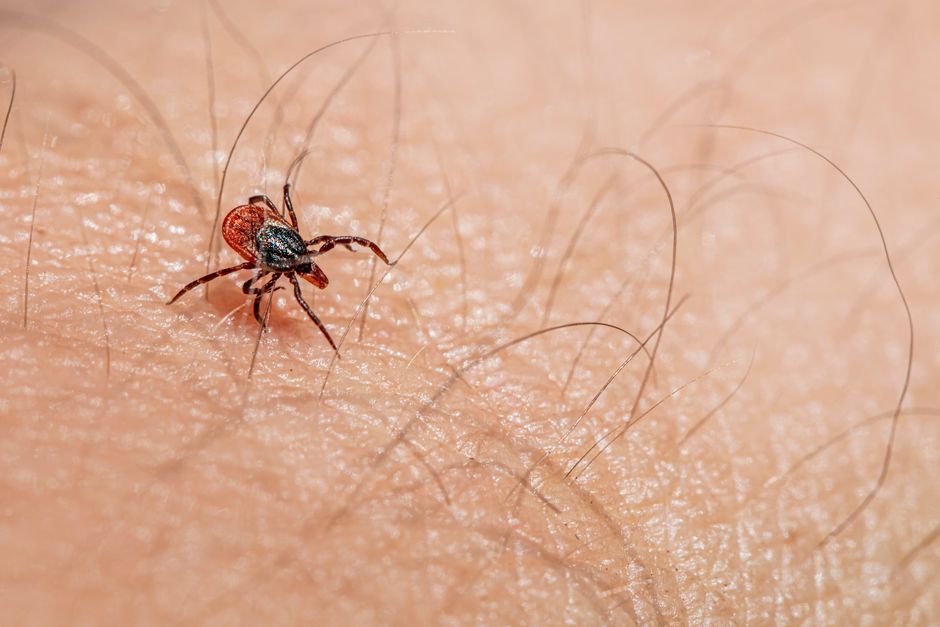
Parasites are a topic that stirs strong reactions, from disgust to skepticism. The direct answer is that most people in developed countries do not have active parasitic infections. However, the question is more complex than a simple yes or no. While the vast majority of Americans are not walking around with tapeworms or giardia, parasitic infections do occur, and certain groups face higher risks than others.
What Are Parasites and How Common Are They Really?
A parasite is an organism that lives on or inside a host, feeding off the host’s nutrients. They range from single-celled organisms like Giardia to larger worms like pinworms or tapeworms. These are not the same as the bacteria or viruses that cause colds or strep throat.
In the United States, the picture is clear. Most people do not have parasites. The Centers for Disease Control and Prevention has identified five parasites that are considered neglected infections in the U.S., meaning they cause significant disease but receive little attention. However, even these are not widespread in the general population. They are most common in specific regions, such as the rural South, and among specific groups, like immigrants from countries with higher parasite rates.
The confusion often comes from online misinformation. Many websites sell detox products or parasite cleanses, claiming that everyone has parasites. This is not supported by medical evidence. If you have no symptoms and live in a developed country with clean water, the chance of a parasitic infection is low.
Who Is Most at Risk for Parasitic Infections?
Risk depends heavily on where you live, what you eat, and your travel history. A person who has only lived in the United States has a very different risk profile than someone who grew up in a region with poor sanitation.
People at higher risk include:
- Travelers to tropical or developing regions where parasites are common
- People who drink untreated water from lakes, rivers, or streams
- Children in daycare or school settings, especially for pinworms
- People with weakened immune systems
- People who eat raw or undercooked meat, particularly pork or fish
- People who handle soil regularly without gloves, especially in areas with poor sanitation
This does not mean every hiker or traveler gets parasites. It means these groups have a higher statistical chance. A routine checkup in the U.S. rarely includes a parasite test unless you have specific symptoms and a relevant exposure history.
What Are the Real Symptoms of a Parasitic Infection?
Symptoms vary widely depending on the type of parasite. Some infections cause no symptoms at all. Others cause mild digestive upset that people mistake for a stomach bug or food intolerance.
Common symptoms of intestinal parasites include:
- Diarrhea that lasts more than a few days
- Abdominal pain or cramping
- Nausea or vomiting
- Gas or bloating
- Unexplained weight loss
- Anal itching, especially at night
Anal itching at night is a classic sign of pinworms, which are the most common parasitic infection in the U.S., especially in school-aged children. Pinworms are highly contagious but easily treated and not dangerous.
More serious infections, like tapeworms, can cause vitamin deficiencies or block the intestine, but these are rare in the U.S. If you have persistent digestive symptoms, see a doctor. Do not assume parasites are the cause without testing.





How Do Doctors Test for Parasites?
Testing is straightforward, but it requires specific instructions. The most common test is a stool sample analysis. A lab technician examines the sample under a microscope to look for parasite eggs or the parasites themselves.
One important detail: a single stool sample can miss an infection. Parasites do not shed eggs every day. Doctors often recommend collecting samples on three separate days to improve accuracy. Some parasites, like pinworms, are better diagnosed with a tape test. You press clear tape against the skin around the anus first thing in the morning, and the lab checks it for eggs.
If you have traveled recently, tell your doctor where you went. Certain parasites are regional, and this information helps the lab know what to look for. Blood tests exist for some parasites, but they are not the first-line test for intestinal infections.
Do Parasite Cleanses and Detox Products Work?
This is where marketing noise gets loud. Many products claim to remove parasites that you supposedly have. Some claim that parasites cause everything from fatigue to acne to brain fog. These claims are not backed by solid clinical evidence.
No study has confirmed that over-the-counter parasite cleanses are effective. Some of these products contain herbs like wormwood, black walnut, or cloves. While some of these herbs have a history of traditional use, they have not been proven to treat parasitic infections in humans through rigorous clinical trials. They are not regulated as medicines by the FDA, so their contents and doses are not standardized.
There is also a safety concern. Some cleanse products can cause nausea, vomiting, or diarrhea. In rare cases, they can interact with prescription medications. If you genuinely have a parasite, a doctor can prescribe medications that are highly effective and well-studied. These prescription drugs target specific parasites and have cure rates that are well documented.
If you have no symptoms and no known exposure, a parasite cleanse is not medically necessary. The evidence does not support using these products as preventive medicine.
How Can You Prevent Parasitic Infections?
Prevention is practical and evidence-based. The most important step is safe food and water practices, especially when traveling.
Key prevention measures include:
- Washing hands with soap and water before eating and after using the bathroom
- Drinking filtered or bottled water when traveling to areas with untreated water
- Avoiding raw or undercooked meat, especially pork, beef, and freshwater fish
- Washing fruits and vegetables thoroughly
- Wearing shoes outdoors in areas where soil may be contaminated
- Keeping children’s nails short to reduce pinworm transmission
- Treating pets for parasites under veterinary guidance
For travelers, the rule is simple: boil it, cook it, peel it, or forget it. This old saying still holds up. Water that has been boiled for at least one minute is safe from parasites. Food that is thoroughly cooked is safe. Fruits you peel yourself are safe.
In the U.S., municipal water supplies are treated and safe from parasites. The risk comes from untreated natural water sources. If you hike or camp, do not drink directly from streams or lakes, no matter how clean the water looks.
When Should You See a Doctor?
See a doctor if you have digestive symptoms that last longer than a week or two. This is especially important if you have recently traveled internationally or have a known exposure, like a daycare outbreak of pinworms.
Do not ask for a parasite test without symptoms. A doctor is unlikely to order one, and that is appropriate. The tests are specific, and testing everyone would produce many false positives and unnecessary treatment.
If you have severe symptoms like bloody diarrhea, high fever, or severe abdominal pain, seek medical care promptly. These symptoms can indicate many conditions, not just parasites, and need proper evaluation.
Frequently Asked Questions
Can you have parasites without any symptoms?
Yes, some parasitic infections cause no symptoms at all. A person can carry a low-level infection and never know it, though this is more common in areas where parasites are widespread.
How do you know if you have parasites?
The only reliable way is through laboratory testing of a stool sample or a tape test for pinworms. Symptoms alone cannot confirm a parasitic infection because many conditions cause similar digestive issues.
Are parasite cleanses safe to try at home?
No clinical evidence confirms that over-the-counter parasite cleanses are effective or safe. Some ingredients can cause digestive distress or interact with medications, so it is better to see a doctor for proper testing and treatment.
Can you get parasites from your pet?
Yes, some parasites can pass from pets to humans, though this is not common with good hygiene. Regular veterinary care and handwashing after touching pets reduce the risk significantly.
