
Your kidneys work around the clock, quietly filtering about 150 quarts of blood every single day. That is not a typo. Most people never think about these two bean-shaped organs until something goes wrong. But understanding how they do their job is one of the most useful things you can learn about your own body. The short answer is yes — kidneys filter blood constantly, removing waste and extra fluid while keeping the useful stuff your body needs. Here is exactly how that process works, step by step.
What Do the Kidneys Actually Do?
The kidneys are two organs located just below your rib cage, one on each side of your spine. Each one is roughly the size of a fist. Despite their small size, they receive about 20% of the blood pumped by your heart with every beat. That is a massive amount of blood flow for organs that make up less than 1% of your body weight.
Their main job is filtration. Blood enters the kidneys through the renal arteries, gets cleaned, and exits through the renal veins. The waste products and extra water become urine, which travels down tubes called ureters to your bladder. When you urinate, you are getting rid of what your kidneys pulled out of your blood.
But filtration is only part of the story. The kidneys also regulate blood pressure, balance electrolytes like sodium and potassium, and produce hormones that tell your body to make red blood cells. They are essentially your body’s water treatment plant, quality control lab, and chemical balancing system all in one.
Do Kidneys Filter Blood How The Process Works
The filtration process happens inside tiny structures called nephrons. Each kidney contains about one million nephrons. These are the actual filtering units. Blood flows into a nephron through a tiny cluster of blood vessels called the glomerulus.
The glomerulus acts like a sieve. Blood pressure pushes fluid and small molecules through the vessel walls into a capsule that surrounds the glomerulus. This filtered fluid is called filtrate. It contains water, salt, sugar, amino acids, and waste products like urea and creatinine.
What does not pass through? Red blood cells, white blood cells, and large proteins. They are too big to fit through the filter. They stay in the bloodstream and continue circulating. This is why finding protein or blood in your urine is a red flag — it means the filter is damaged and letting things through that should stay in your blood.
This first step is called glomerular filtration. The filtrate then moves into a series of tubes called tubules. This is where the real precision work happens.
What Happens After the Initial Filter?
The filtrate that enters the tubules is not ready to become urine yet. It still contains valuable substances your body needs. The tubules reabsorb most of what was filtered. About 99% of the water gets pulled back into your blood. All of the glucose, or sugar, is reabsorbed under normal conditions. Sodium, potassium, and other electrolytes are carefully adjusted based on what your body needs at that moment.
This is not a passive process. Cells lining the tubules actively transport molecules back into the bloodstream. They also secrete additional waste products from the blood directly into the tubule fluid. This secretion step is important for removing drugs, toxins, and excess potassium that did not get filtered in the first place.
By the time the fluid reaches the end of the tubule, it is mostly water, urea, creatinine, and other waste products. This concentrated fluid is now urine. It drains into a collecting duct, then into the renal pelvis, and finally down the ureter to the bladder.
Your body produces roughly 1 to 2 liters of urine per day. Compare that to the 150 quarts of blood filtered daily and you can see how efficient the reabsorption process is.




How Does the Body Know What to Keep and What to Remove?
The kidneys do not guess. They respond to chemical signals and hormones that reflect your body’s current state. If you are dehydrated, hormones signal the kidneys to reabsorb more water, so you produce less urine. If you drink too much fluid, the kidneys get the opposite signal and produce more urine.
Blood pressure is also closely tied to kidney function. The kidneys release an enzyme called renin when they detect low blood pressure. This triggers a chain of events that narrows blood vessels and signals the adrenal glands to release aldosterone. Aldosterone tells the kidneys to hold onto sodium. Where sodium goes, water follows. This increases blood volume and raises blood pressure.
This system is called the renin-angiotensin-aldosterone system. It is one of the main ways your body controls blood pressure over the long term. Many blood pressure medications work by interfering with this exact pathway.
The kidneys also monitor blood pH. They can excrete acid or base in the urine to keep your blood in a narrow, healthy pH range. This is a slower process than the lungs, which regulate pH through breathing, but it is essential for long-term balance.
How Fast Does the Kidney Actually Filter Blood?
Your kidneys filter all of your blood about 60 times per day. The standard measure of this is called the glomerular filtration rate, or GFR. In a healthy adult, GFR is typically around 90 to 120 milliliters per minute. That translates to roughly 150 quarts of blood filtered every 24 hours.
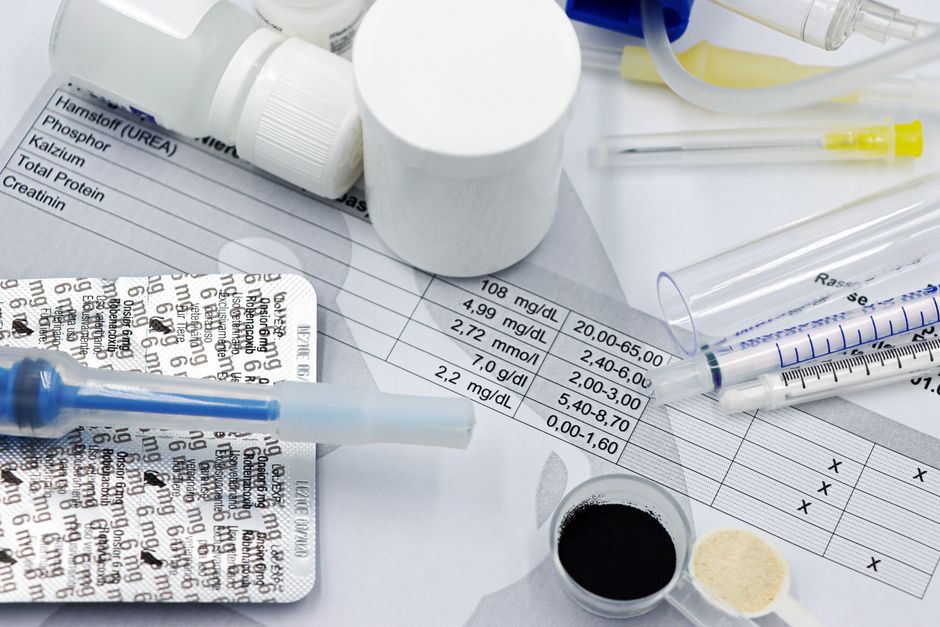
Doctors use a calculated GFR based on a blood test for creatinine to estimate kidney function. Creatinine is a waste product from muscle breakdown that is filtered by the kidneys. If the kidneys are working well, creatinine stays low in the blood. If they are struggling, creatinine builds up.
A GFR above 90 is considered normal. A GFR between 60 and 89 may indicate mild kidney damage, especially if other signs of damage are present. A GFR below 60 for three months or more means chronic kidney disease. Below 15 is kidney failure, which requires dialysis or a transplant.
These numbers are not just abstract values. They directly reflect how many nephrons are still functioning. Kidney damage is usually irreversible. Once nephrons are lost, they do not regenerate. This is why early detection matters.
What Damages the Kidney’s Filtering Ability?
Diabetes and high blood pressure are the two leading causes of kidney damage. High blood sugar damages the small blood vessels in the glomeruli over time. High blood pressure puts extra strain on those same vessels, causing them to thicken and scar.
Other causes include autoimmune diseases like lupus, repeated kidney infections, kidney stones that block urine flow, and prolonged use of certain pain medications. Nonsteroidal anti-inflammatory drugs, or NSAIDs, like ibuprofen and naproxen, can reduce blood flow to the kidneys when taken regularly at high doses.
Dehydration is a temporary stressor but usually not a cause of permanent damage in otherwise healthy people. However, severe dehydration in a hospital setting can cause acute kidney injury, which can be reversible if treated quickly.
Smoking narrows blood vessels throughout the body, including those in the kidneys. It also accelerates the progression of existing kidney disease. Obesity is a risk factor because it increases the likelihood of diabetes and high blood pressure.
Can You Improve or Protect Your Kidney Function?
You cannot reverse established kidney damage, but you can slow its progression. Keeping blood pressure below 130/80 is one of the most important targets for people with kidney disease. Controlling blood sugar in diabetics is equally critical.
Staying well hydrated helps the kidneys do their job, but there is no evidence that drinking excessive amounts of water improves kidney function beyond normal. Drinking when you are thirsty and maintaining light yellow urine is a reasonable guide.
A diet lower in sodium and processed foods reduces the workload on your kidneys. For people with advanced kidney disease, doctors may also recommend limiting potassium and phosphorus. This is not necessary for healthy individuals. Do not restrict these nutrients without medical guidance.
Regular exercise and maintaining a healthy weight reduce the risk of developing diabetes and hypertension, which are the main threats to kidney health. Routine blood tests can catch early kidney problems before symptoms appear. Kidney disease often causes no symptoms until it is advanced.
Frequently Asked Questions
How much blood do the kidneys filter each day?
Your kidneys filter about 150 quarts of blood every day. That equals roughly 60 passes of your total blood volume in 24 hours.
What is removed from the blood during kidney filtration?
The kidneys remove urea, creatinine, excess water, and extra electrolytes like sodium and potassium. They keep red blood cells, proteins, and essential nutrients in the bloodstream.
Can kidney filtration be improved with diet or supplements?
No supplement has been proven to improve kidney filtration in healthy people. Controlling blood pressure and blood sugar is the most effective way to protect kidney function.
What is a normal GFR number?
A normal glomerular filtration rate is 90 to 120 milliliters per minute. A GFR below 60 for three months indicates chronic kidney disease.
