
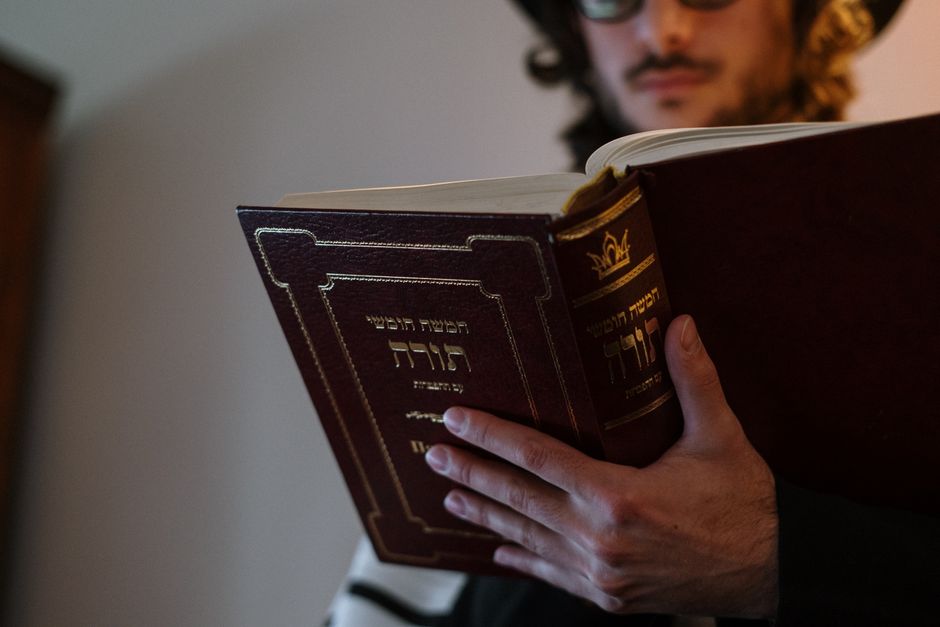
Yes, Jews eat beef. There is no Jewish law that bans beef. In fact, beef plays a central role in Jewish religious practice, holiday meals, and everyday cooking in Jewish communities around the world. What matters under Jewish dietary law is not the animal itself but how it is slaughtered, which parts can be eaten, and how meat is prepared and separated from dairy.
The confusion likely comes from mixing up two different things: kosher dietary rules and the specific restrictions of other faiths. Judaism restricts pork and shellfish. It does not restrict beef. A kosher steakhouse in New York, a Shabbat brisket in a London home, and a cholent simmering overnight in Jerusalem all point to the same fact. Beef is a staple of kosher cuisine.
Do Jews Eat Beef According to Kosher Law?
Beef is fully permitted under kosher law, provided it comes from a kosher-slaughtered animal and is prepared according to specific rules.
The Torah lists which land animals may be eaten. To qualify, an animal must chew its cud and have split hooves. Cattle meet both requirements. So do sheep, goats, and deer. Pigs have split hooves but do not chew cud, which is why pork is not kosher. Rabbits chew cud but do not have split hooves. Cattle satisfy both criteria without ambiguity.
This means the animal itself is not the issue. The rules that follow are about slaughter, blood removal, and the separation of meat from dairy. Those rules apply to beef just as they apply to chicken, lamb, or any other permitted meat.
What Makes Beef Kosher?
Kosher beef must meet several requirements that go beyond simply choosing the right animal.
The animal must be slaughtered by a trained ritual slaughterer using a specific method called shechita. The slaughterer uses a sharp, smooth knife to make a single continuous cut across the throat. The goal is to render the animal unconscious quickly and minimize suffering. After slaughter, the animal’s internal organs are inspected for signs of disease or injury. If certain defects are found, the meat is not kosher.
Certain parts of the animal cannot be eaten. The sciatic nerve and certain fats around the hindquarters are forbidden. Because removing these parts is difficult and time-consuming, many kosher butchers in the United States simply do not sell the hindquarters at all. This is why you rarely see kosher filet mignon or kosher sirloin in American kosher markets, even though those cuts come from a permitted animal.
The meat must also be soaked and salted to remove blood, which Jewish law prohibits consuming. This process, called kashering, involves soaking the meat in water, covering it with coarse salt, and then rinsing it thoroughly.
Why Do People Think Jews Do Not Eat Beef?
The confusion usually comes from conflating Jewish dietary rules with those of other religions or from misunderstanding what kosher actually restricts.
Some people confuse kosher with halal, or assume that any religious dietary law must involve avoiding a major meat. Others may have encountered a Jewish person who does not eat beef for personal, health, or ethical reasons and assumed it was a religious rule. It is not.
Another source of confusion is the rule against mixing meat and dairy. Because kosher households maintain separate dishes, pots, and sometimes separate kitchens for meat and dairy, an outsider might see the complexity and assume beef is restricted. It is not restricted. It is simply separated from dairy products.
There is also the fact that some Jews do not keep kosher at all. A Jewish person who eats bacon or shrimp is not breaking a rule that applies to all Jews. They are making a personal choice about observance. Jewish law and Jewish practice are not the same thing for every individual.




How Does Beef Fit Into Jewish Holiday and Shabbat Meals?
Beef is closely tied to Jewish holiday and Shabbat traditions in many communities.
Brisket is perhaps the most recognizable example. Slow-cooked brisket is a standard centerpiece at Passover seders and Rosh Hashanah dinners in Ashkenazi Jewish homes. The cut is tough and benefits from long, slow cooking, which made it practical for families who needed to prepare food before the Sabbath began and could not cook during it.
Cholent, a slow-simmered stew of beef, beans, barley, and potatoes, is a traditional Shabbat lunch dish in many Ashkenazi communities. It goes into the oven before sundown on Friday and cooks overnight, allowing families to eat a hot meal on Saturday without violating the prohibition against cooking on Shabbat.
Among Sephardic and Mizrahi Jews, beef appears in dishes like kibbeh, a bulgur and ground beef preparation, and various stews seasoned with cumin, turmeric, and other spices. These traditions differ from Ashkenazi cooking but share the same underlying fact: beef is a normal and valued part of the diet.
Is Kosher Beef Healthier Than Non-Kosher Beef?
There is no consistent evidence that kosher beef is healthier than non-kosher beef.
The salting process removes some blood, but it also adds sodium. The amount varies depending on how the meat is prepared and how thoroughly it is rinsed. Some research suggests that kosher meat may have somewhat higher sodium levels than conventionally prepared meat, though the difference depends on the specific product and preparation method.
Kosher beef is not inherently leaner, lower in cholesterol, or more nutritious than non-kosher beef. It is the same animal. The differences are in slaughter method, blood removal, and certification, not in nutritional composition.
That said, the inspection process for kosher meat is thorough. Animals with certain internal defects are rejected. This may reduce the risk of certain food safety issues, though conventional meat inspection in the United States also involves federal oversight. The evidence does not clearly show that one is safer than the other in practice.
What About Beef and Jewish Health Traditions?
Jewish tradition includes a strong emphasis on protecting health, and some Jews limit red meat for health reasons. But this is a personal or cultural choice, not a religious requirement.
Maimonides, the medieval Jewish physician and philosopher, wrote extensively about diet and health. He recommended moderation in eating and favored lighter foods over heavy ones. Some Jewish communities have historically emphasized fish and poultry over red meat. But none of this amounts to a prohibition.
Current mainstream dietary guidance in the United States recommends limiting red meat, particularly processed red meat, for cardiovascular health. This applies to everyone, not just Jews. A Jewish person who chooses to eat less beef may be following that guidance, not a religious rule.
Do All Jews Eat Beef?
No. Not all Jews eat beef, but the reasons vary and are rarely religious.
- Some Jews are vegetarian or vegan for ethical, environmental, or health reasons.
- Some do not like the taste or texture of beef.
- Some cannot afford beef, which tends to be more expensive than poultry.
- Some live in communities where kosher beef is not available.
- Some are not observant and simply make different food choices.
What unites these cases is that none of them reflect a rule against beef in Jewish law. The law permits it. Individual practice varies, as it does in any religious or cultural group.
Does Jewish Law Ever Restrict Beef?
Jewish law restricts beef only in specific circumstances, not as a general rule.
During times of mourning, some Jews refrain from eating meat as a sign of grief. This is a custom, not a blanket prohibition, and it typically applies for a limited period. Some Jews also refrain from meat during the Nine Days leading up to Tisha B’Av, a period of mourning on the Jewish calendar. Again, this is temporary and customary.
There are also rules about eating meat that was not slaughtered properly, meat that has not had the blood removed, and meat that has been mixed with dairy. These are restrictions on how beef is prepared and consumed, not on whether it can be eaten at all.
Some Jews also avoid beef from animals that have been treated cruelly, based on the principle of tza’ar ba’alei chayim, which prohibits causing unnecessary suffering to animals. This is an ethical consideration that some apply to their food choices, but it is not a formal legal prohibition in most interpretations.
What About the Idea That Jews Cannot Eat Beef?
The idea that Jews cannot eat beef is simply incorrect. It likely comes from confusion with other dietary laws or from overgeneralizing the restrictions that do exist.
Judaism prohibits pork and shellfish. It prohibits mixing meat and dairy. It requires a specific slaughter method. It prohibits eating blood. It prohibits certain fats and the sciatic nerve. None of these rules amount to a ban on beef.
In fact, beef is so central to Jewish cooking that it would be difficult to imagine many traditional Jewish meals without it. Brisket, cholent, kibbeh, and countless other dishes depend on it. The question is not whether Jews eat beef. The question is how they prepare it and when they choose to eat it.
Frequently Asked Questions
Do Jews eat beef?
Yes, Jews eat beef. Jewish dietary law permits beef from cattle as long as the animal is slaughtered according to kosher rules and the meat is prepared properly.
Why do some people think Jews do not eat beef?
The confusion often comes from mixing up kosher rules with other religious diets or from misunderstanding what kosher actually restricts. Judaism bans pork and shellfish, not beef.
Is beef kosher?
Beef can be kosher if it comes from a permitted animal, is slaughtered by a trained ritual slaughterer, has the blood removed, and is not mixed with dairy. Not all beef is kosher, but beef itself is not forbidden.
Do all Jews eat beef?
No, not all Jews eat beef, but the reasons are personal, cultural, or practical rather than religious. Jewish law allows beef, but individual Jews may choose not to eat it for many reasons.
