

Menopause is not a single event. It is the point in time that arrives 12 months after your final menstrual period. The years leading up to it, called perimenopause, and the years after it are when symptoms usually show up. Whether you need estrogen, progesterone, or both depends on three things: whether you still have a uterus, what symptoms you are having, and your personal risk profile.
The short answer: estrogen alone is standard for people who have had a hysterectomy. Estrogen plus a progestogen is standard for people who still have a uterus, because estrogen alone raises the risk of uterine cancer in that group. Progesterone is not automatically required for everyone. It is required specifically to protect the lining of the uterus when estrogen is used.
Do I Need Estrogen Or Progesterone For Menopause?
You need progesterone only if you are taking estrogen and you still have a uterus. That is the core rule, and it comes from decades of clinical evidence showing that unopposed estrogen stimulates the uterine lining and increases endometrial cancer risk.
If you have had a hysterectomy, estrogen alone is typically the recommended form of hormone therapy. If you still have a uterus and you take estrogen, a progestogen is added to protect the endometrium. This is not optional in standard practice — it is a safety requirement.
If you are not taking estrogen at all, you generally do not need progesterone either. Progesterone is not a standalone menopause treatment in mainstream guidelines. It is a companion to estrogen, not a replacement for it.
One important clarification: “progesterone” and “progestogen” are not the same thing. Progesterone is the hormone your body makes. Progestogen is the broader category that includes progesterone and synthetic versions called progestins. Both can protect the uterus. They are not identical in their effects elsewhere in the body.
What Is The Difference Between Estrogen And Progesterone?
Estrogen and progesterone are two different hormones with two different jobs. They are not interchangeable, and they are not two versions of the same treatment.
Estrogen is the primary driver of female reproductive development and function. It also affects bone density, cholesterol levels, skin, and blood vessels. When estrogen drops during the menopause transition, many of the symptoms people associate with menopause appear — hot flashes, night sweats, vaginal dryness, and sleep disruption.
Progesterone’s main reproductive role is preparing and maintaining the uterine lining for pregnancy. In the context of menopause hormone therapy, its job is narrower: it counters estrogen’s stimulating effect on the uterus.
Here is the part that surprises many people. Progesterone is not a symptom treatment on its own. It does not reliably relieve hot flashes. It does not treat vaginal dryness. Its role in menopause care is protective, not therapeutic for most symptoms.
- Estrogen — treats hot flashes, night sweats, and vaginal symptoms; protects bone
- Progesterone or a progestin — protects the uterine lining when estrogen is used
- Both together — the standard approach for people with a uterus who use estrogen
- Estrogen alone — the standard approach for people without a uterus
What Happens If You Take Estrogen Without Progesterone And Still Have A Uterus?
Taking estrogen without a progestogen when you still have a uterus increases the risk of endometrial cancer. This is one of the most consistent findings in menopause medicine, and it is why the combination is standard.
The mechanism is well understood. Estrogen tells the cells lining the uterus to grow. Progesterone tells them to stop growing and shed. Without that second signal, the lining keeps building. Over time, that can lead to abnormal cell changes.
The risk goes up with dose and duration. This is why clinicians do not treat the combination as optional for people with a uterus. It is not a precaution based on theory. It is based on observed outcomes in large groups of women over many years.
If you have had a hysterectomy, this concern does not apply. That is why estrogen alone is appropriate in that group.


What Are The Main Forms Of Menopause Hormone Therapy?
Hormone therapy comes in several forms, and the form matters. How a hormone enters your body affects how it behaves once it is there.
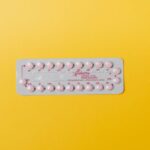
Systemic estrogen is absorbed into the bloodstream and reaches the whole body. It is used for hot flashes, night sweats, and bone protection. It comes as a pill, a patch, a gel, a spray, or an injection.
Local estrogen is applied directly to the vagina. It comes as a cream, a tablet, or a ring. It treats vaginal dryness, burning, and pain with sex. Because absorption into the bloodstream is minimal, local estrogen is generally used without a progestogen, even in people who still have a uterus. That distinction is important and often misunderstood.
Progestogens come in two broad categories: micronized progesterone, which is structurally identical to the hormone your body makes, and synthetic progestins. Both protect the uterus. They differ in their other effects, and some people tolerate one better than the other.
| Form | How It Is Used | Progestogen Needed? |
|---|---|---|
| Systemic estrogen (pill, patch, gel, spray) | Hot flashes, night sweats, bone protection | Yes, if you have a uterus |
| Local vaginal estrogen (cream, tablet, ring) | Vaginal dryness and discomfort | Generally no |
| Estrogen plus progestogen | Systemic symptoms with a uterus present | Built in |
Who Should Not Take Menopause Hormone Therapy?
Hormone therapy is not appropriate for everyone. Some conditions make it unsafe, and this is where personal medical history matters more than symptom severity.
Established reasons to avoid systemic hormone therapy include a history of breast cancer, a history of endometrial cancer, unexplained vaginal bleeding, active liver disease, a history of blood clots or stroke, and known clotting disorders. These are not soft cautions. They reflect meaningful increases in risk for people with these conditions.
This does not mean every person with a family history of these conditions must avoid it. Family history and personal history are different. A clinician weighs your individual situation, not a general rule applied to everyone.
Local vaginal estrogen has a different risk profile because absorption is minimal. Many people who cannot use systemic therapy can still use local estrogen for vaginal symptoms. That decision still belongs with a clinician who knows your history.
How Long Do You Take Hormone Therapy?
There is no single correct duration. This is one of the more genuinely debated areas in menopause care, and honest guidance reflects that.
Some people take hormone therapy for a few years to get through the most symptomatic part of the transition. Others take it longer, particularly for bone protection or persistent symptoms. The evidence supports that risk and benefit shift over time, and that the balance is different for each person.
The general clinical direction is to use the lowest dose that manages your symptoms, and to revisit the decision regularly rather than treating it as permanent. For people who start hormone therapy within 10 years of menopause and before age 60, the risk-benefit balance tends to look more favorable than for those who start later. This is a widely cited pattern, but it is not a rule that fits everyone.
No clinical guidelines currently exist that set a universal stop date for hormone therapy. Decisions are made case by case.
Do You Need Hormone Therapy At All?
No. Hormone therapy is one option among several. It is not a requirement, and many people manage menopause without it.
Lifestyle approaches can help some symptoms. Avoiding triggers like alcohol, spicy food, and caffeine can reduce hot flashes for some people. Cooling the sleep environment and layered clothing help others. These are reasonable steps, though the evidence for lifestyle changes reducing hot flashes is limited and results vary.
Non-hormonal prescription medications exist for hot flashes. Some antidepressants and certain other drugs have shown benefit in reducing hot flash frequency and severity. These are legitimate options, particularly for people who cannot or prefer not to use hormones.
Cognitive behavioral therapy has evidence for helping with sleep and mood during the menopause transition. It does not reduce hot flashes directly, but it can change how disruptive they feel.
For vaginal symptoms specifically, local estrogen is generally considered the most effective treatment. Non-hormonal vaginal moisturizers and lubricants can help with mild symptoms. They are not equivalent to local estrogen for moderate to severe dryness, but they are a reasonable starting point for some people.
The right choice depends on your symptoms, your history, and your preferences. There is no single correct path, and choosing not to use hormones is not a failure to treat menopause.
Frequently Asked Questions
Do I need progesterone if I take estrogen?
Yes, if you still have a uterus. Estrogen alone raises the risk of endometrial cancer in people with a uterus, so a progestogen is added to protect the uterine lining.
Can I take estrogen alone after a hysterectomy?
Yes. If your uterus has been removed, estrogen alone is the standard approach because there is no uterine lining to protect.
Does progesterone help with hot flashes?
No, not on its own. Progesterone’s role in menopause therapy is to protect the uterus when estrogen is used, not to treat hot flashes.
Is local vaginal estrogen safer than systemic estrogen?
It has a different risk profile because absorption into the bloodstream is minimal. Many people who cannot use systemic therapy can still use local estrogen, but a clinician should make that call.
