
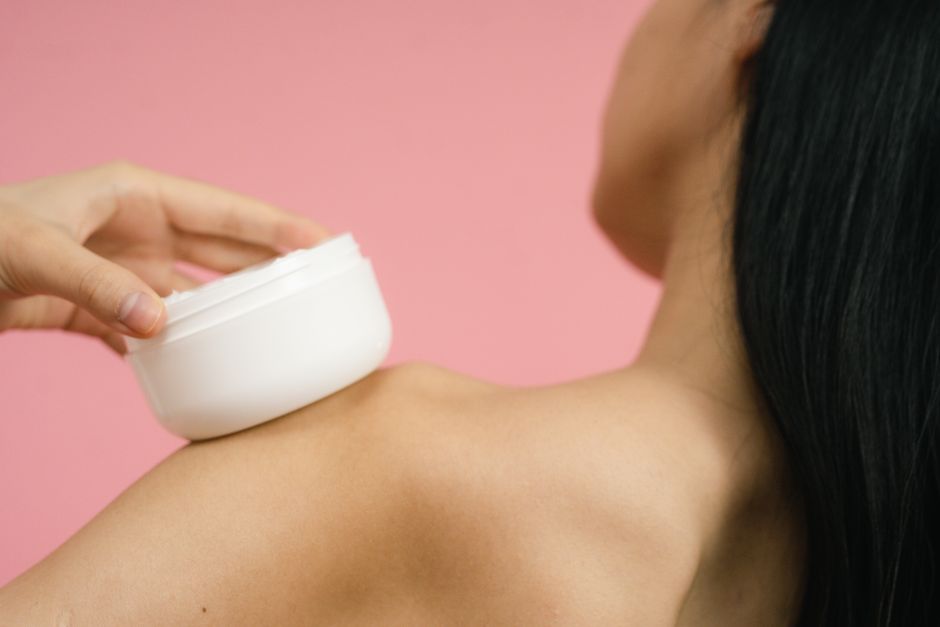
Estrogen cream does not cause hot flashes. In fact, it is used to treat them. The confusion usually comes from timing, not from the cream itself. Hot flashes that appear or worsen while using vaginal estrogen are almost always linked to changing estrogen levels from perimenopause or menopause, not to the small amount of estrogen the cream delivers.
That distinction matters. If you are using estrogen cream and your hot flashes are getting worse, the cream is very unlikely to be the reason. Something else is going on, and it is worth understanding what.
What Is Estrogen Cream Actually Used For?
Estrogen cream is a local treatment. It is applied directly to the vagina or vulvar area, most often to relieve symptoms of genitourinary syndrome of menopause (GSM). That includes vaginal dryness, burning, irritation, and pain with sex.
These symptoms happen because estrogen levels drop after menopause. The tissue of the vagina and lower urinary tract depends on estrogen to stay thick, lubricated, and elastic. When estrogen falls, that tissue thins and becomes fragile. A low-dose cream applied directly to the area can restore some of that tissue health.
Estrogen cream is not the same as systemic hormone therapy. Systemic therapy — pills, patches, gels, or sprays — delivers estrogen to the whole body through the bloodstream. That is the form of estrogen that is studied for treating hot flashes.
Local creams work mostly where they are applied. Some estrogen does get absorbed into the bloodstream, but the amount is far smaller than with systemic therapy. This is why local estrogen is generally not expected to relieve hot flashes, and also why it is not expected to cause them.
Can Estrogen Cream Cause Hot Flashes?
No. There is no established mechanism by which a low-dose, locally applied estrogen cream would trigger hot flashes. The evidence does not support it, and the physiology does not fit it.
Hot flashes are a vasomotor symptom. They come from changes in how the body regulates temperature, driven largely by shifts in circulating estrogen and the effect those shifts have on the hypothalamus — the brain region that controls heat regulation. When estrogen levels fall or fluctuate unpredictably, the hypothalamus can become unusually sensitive to small changes in body temperature. The result is a sudden feeling of heat, flushing, and sweating.
A small amount of estrogen absorbed from a vaginal cream does not create the kind of hormonal swing that drives this process. If anything, adding a little estrogen moves the body in the opposite direction.
So when someone using estrogen cream reports new or worse hot flashes, the cream is almost never the cause. The more likely explanations are covered below.
Why Do Hot Flashes Sometimes Start or Worsen While Using Estrogen Cream?
Timing is the biggest reason people connect the two. Estrogen cream is often started right when menopause symptoms are at their peak. Hot flashes may be appearing on their own at exactly the same time the cream is introduced. The cream gets blamed because it is new, not because it is responsible.
Several other factors can explain hot flashes that show up or intensify during this period:
- Natural hormonal fluctuation. In perimenopause, estrogen rises and falls unpredictably. Hot flashes often come and go for years. This pattern continues whether or not you use a vaginal cream.
- Changing or stopping systemic hormone therapy. If you recently lowered a systemic estrogen dose or stopped it, hot flashes can rebound. That is a real and well-documented effect of systemic hormone changes, not of a local cream.
- Other medications. Some drugs can trigger flushing or sweating. Certain antidepressants, tamoxifen, and other hormone-affecting medications are known examples.
- Non-hormonal triggers. Alcohol, caffeine, spicy food, stress, and hot environments can set off hot flashes in people who are already prone to them.
- Other medical conditions. Thyroid problems, anxiety, and some other conditions can cause flushing or sweating that feels like a hot flash.
If hot flashes are new, severe, or getting worse, that is worth a conversation with a clinician. It usually points to something other than the cream.


Does Estrogen Cream Help With Hot Flashes?
Estrogen cream is not a treatment for hot flashes. It is a treatment for vaginal and urinary symptoms of menopause. The two are different problems with different causes, even though both trace back to falling estrogen.
Hot flashes are a whole-body, brain-centered symptom. They respond to systemic estrogen — the kind that reaches the bloodstream in meaningful amounts. Vaginal dryness and related symptoms are a local tissue problem, and they respond to local estrogen applied directly to the area.
This is why a vaginal cream is unlikely to relieve hot flashes even though it clearly helps vaginal symptoms. The dose is too low and too localized to affect the temperature-regulating centers in the brain.
If hot flashes are your main concern, the options that have the most evidence behind them are different from a vaginal cream. They include systemic hormone therapy for some people, and certain non-hormonal prescription medications. Which one fits depends on your health history and symptoms, and that is a decision to make with a clinician.
Is Estrogen Cream Absorbed Into the Bloodstream?
Yes, but only a small amount. Some estrogen from a vaginal cream does pass into the bloodstream. The exact amount depends on the product, the dose, and how the tissue absorbs it.
That absorption is why local estrogen is not entirely without systemic effects. It is also why the label and clinical guidance advise using the lowest effective dose and watching for any signs of systemic estrogen exposure.
But the levels reached are generally much lower than with systemic therapy. They are not high enough to be the expected driver of hot flashes. If you notice breast tenderness, spotting, or other signs that suggest more estrogen is being absorbed than expected, that is worth mentioning to your clinician.
What Else Could Be Causing Your Hot Flashes?
If you are using estrogen cream and having hot flashes, the cream is at the bottom of the list of likely causes. The more probable explanations relate to where you are in the menopause transition or to something else entirely.
Consider these possibilities:
- Perimenopause or menopause itself. This is the most common cause by far. Hot flashes are a hallmark symptom and can last for years.
- A recent change in systemic hormones. Stopping or reducing systemic estrogen, or changes in other hormone medications, can trigger hot flashes.
- Medication side effects. Several common prescriptions can cause flushing or sweating.
- Thyroid issues. An overactive thyroid can cause heat intolerance and sweating that may feel like hot flashes.
- Anxiety or panic. These can produce sudden flushing and sweating.
- Other conditions. A range of medical issues can cause flushing, and a clinician can help sort out which one applies.
The key point is that the timing of when you started the cream does not prove the cream is the cause. Two things happening at once is not the same as one causing the other.
When Should You Talk to a Clinician?
Talk to a clinician if hot flashes are new, getting worse, or interfering with sleep and daily life. Also speak up if you have flushing along with other symptoms like unexplained weight change, a racing heart, or unusual sweating patterns.
Bring up your estrogen cream specifically. A clinician can confirm whether it is the right treatment for your symptoms and whether a different approach might help the hot flashes. Do not stop or change a prescribed medication on your own without checking first.
The bottom line: estrogen cream treats local vaginal symptoms, not hot flashes. It is not a cause of hot flashes either. If you are dealing with both, they are most likely two separate issues that deserve two separate conversations.
Frequently Asked Questions
Can estrogen cream make hot flashes worse?
No. There is no established mechanism by which a low-dose vaginal estrogen cream would worsen hot flashes. If hot flashes are getting worse, the cause is almost always hormonal changes from menopause or another factor, not the cream.
Does vaginal estrogen help with hot flashes?
Vaginal estrogen is not a treatment for hot flashes and is not expected to relieve them. It targets local vaginal and urinary symptoms, while hot flashes respond to systemic estrogen that reaches the bloodstream in higher amounts.
Why did my hot flashes start right after I began estrogen cream?
This is usually coincidence, not cause. Estrogen cream is often started during perimenopause or menopause, when hot flashes are already common and can appear or intensify on their own.
Is estrogen cream the same as systemic hormone therapy?
No. Estrogen cream is a local treatment applied to the vagina, while systemic hormone therapy delivers estrogen to the whole body through pills, patches, gels, or sprays. They are used for different symptoms and have different effects.
