
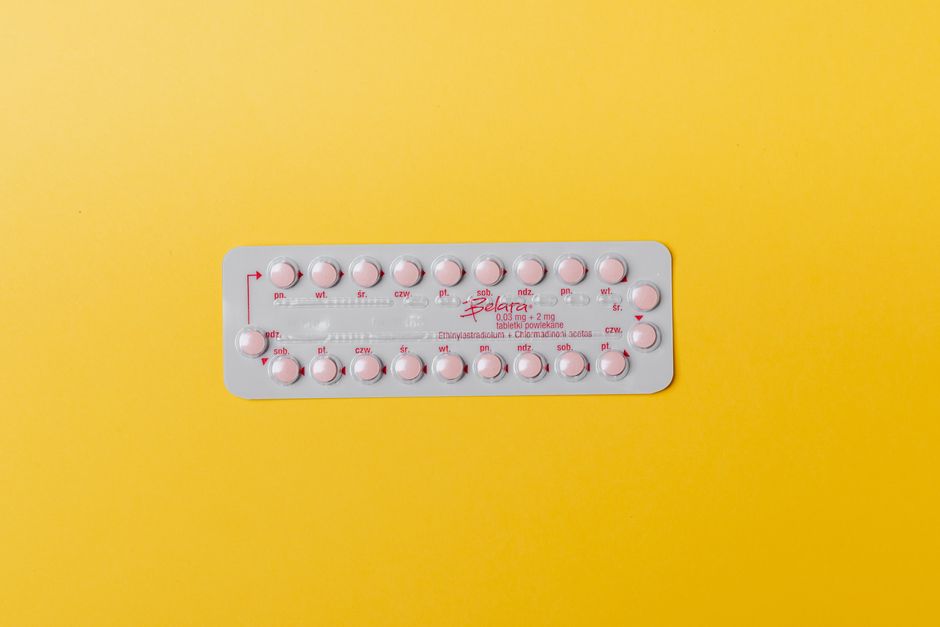
Progesterone does not lower estrogen levels in any direct chemical sense. It does not destroy estrogen, block its production, or remove it from your bloodstream. What progesterone can do is counterbalance estrogen’s effects on certain tissues, and in specific situations — mainly when it is taken as a medication rather than made naturally by the body — it can reduce estrogen’s impact enough that the two hormones behave differently than they did before.
That distinction matters. Many people searching this question are really asking whether progesterone will fix symptoms they believe are caused by “estrogen dominance.” The answer depends entirely on what form of progesterone is being used, at what dose, and for what reason.
Does Taking Progesterone Lower Estrogen Levels?
No. Progesterone and estrogen are separate hormones with separate production pathways, and progesterone does not suppress estrogen synthesis in any meaningful way in most people.
In a natural menstrual cycle, estrogen rises in the first half and progesterone rises after ovulation in the second half. They are not in a seesaw relationship where more of one automatically means less of the other. They rise and fall on their own schedules.
Where the confusion comes from is a real but different phenomenon: progesterone can oppose some of estrogen’s actions at the tissue level. Estrogen stimulates growth of the uterine lining. Progesterone changes that lining so it can support a pregnancy or be shed as a period. Estrogen can also promote certain types of breast cell proliferation, and progesterone plays a role in the normal cycling of breast tissue. None of that means estrogen levels dropped. It means the tissue response changed.
There is one important exception worth knowing. A class of medications called selective estrogen receptor modulators, or SERMs, works by blocking estrogen at its receptor. Progesterone is not a SERM. It does not work through that mechanism.
What Is the Difference Between Progesterone and Progestin?
Progesterone is the hormone your body makes. Progestin is a synthetic compound that acts on progesterone receptors. They are not the same thing, and they do not behave identically.
This distinction is where a lot of online confusion starts. Products sold as “progesterone cream” may contain either natural progesterone or a synthetic progestin, and the label does not always make it obvious. Prescription progestins like medroxyprogesterone acetate are used in some hormone therapies and contraceptives. They are chemically different from the progesterone your ovaries produce.
Because of those differences, studies on one form cannot automatically be applied to another. A finding about a synthetic progestin does not necessarily describe what natural progesterone does, and vice versa. When you read a claim about “progesterone,” it is worth asking which one is actually being discussed.
Can Progesterone Affect Estrogen’s Effects on the Body?
Yes, in specific tissues and under specific conditions. This is the closest thing to a real answer behind the “lowers estrogen” idea.
The clearest example is the uterus. In people with a uterus who take estrogen therapy after menopause, unopposed estrogen raises the risk of endometrial cancer. Adding a progestin protects the uterine lining and reduces that risk. This is well established and is why estrogen-only therapy is generally reserved for people who have had a hysterectomy.
Outside the uterus, the picture is more complicated. Progesterone receptors exist in breast tissue, the brain, and bone, among other places, and progesterone’s effects in those tissues do not always run opposite to estrogen’s. In some contexts they work together. In others they diverge.
So “progesterone opposes estrogen” is a useful shorthand for the uterus. It is not a general rule for the whole body.





Does Progesterone Therapy Change Estrogen Blood Levels?
Standard progesterone therapy does not typically lower measured estrogen in the blood. Estradiol levels on a lab report are generally not expected to drop because someone started progesterone.
There is a scenario where the two are linked, but the direction of cause and effect is often misunderstood. Some medications used for hormone therapy contain both an estrogen and a progestin. If someone is on a combined product, changes in their estrogen dose come from the estrogen component, not from the progestin.
Another point of confusion involves ovulation. Progesterone levels rise after ovulation. If someone is not ovulating, progesterone stays low, and estrogen may be relatively unopposed in the uterus. That pattern is sometimes described as “estrogen dominance,” but the problem is low progesterone, not high estrogen. The estrogen level itself may be completely normal.
What Is “Estrogen Dominance” and Is It a Real Diagnosis?
“Estrogen dominance” is not a recognized clinical diagnosis. It is a popular term, not a medical one, and it does not appear in standard diagnostic criteria.
What is real is the concept of unopposed estrogen in the uterus. When estrogen stimulates the uterine lining without enough progesterone to balance it, the lining can thicken, leading to heavy or irregular bleeding and, over time, increased cancer risk. That is a genuine clinical concern with a specific name and specific management.
What is not well supported is the broader claim that a wide range of symptoms — weight gain, mood changes, fatigue, brain fog — are caused by estrogen being too high relative to progesterone. Those symptoms have many possible causes, and attributing them to a hormone ratio is not something current evidence supports.
If you are experiencing symptoms you think are hormonal, the useful step is measuring what can actually be measured and getting a proper evaluation. A saliva or blood “hormone panel” from a wellness clinic is not the same as a diagnostic workup.
What About Progesterone Creams Sold Without a Prescription?
Over-the-counter progesterone creams are widely sold for symptoms attributed to hormonal imbalance. The evidence for them is limited, and there are real questions about how much progesterone they actually deliver.
Progesterone is absorbed through the skin, but the amount absorbed from a cream varies by product, by application site, and by the individual. Many products do not disclose how much hormone they contain in a way that allows meaningful comparison. Some have been found in testing to contain different amounts than the label states.
There is also a regulatory gap. In the United States, compounded hormone products are not held to the same approval standards as FDA-approved drugs. That does not automatically make them unsafe, but it does mean the evidence base is thinner and the dosing is less predictable.
If you are considering a progesterone product, the honest position is that the evidence for benefit outside of approved medical uses is limited. That is worth knowing before spending money on it.
When Is Progesterone Actually Used Medically?
Progesterone and progestins have well-established medical uses. These are different from the vague “hormone balancing” claims often made online.
- Protecting the uterus during estrogen therapy. For people with a uterus taking systemic estrogen after menopause, a progestin is added to reduce endometrial cancer risk.
- Contraception. Progestin-only pills, implants, injections, and intrauterine devices prevent pregnancy through several mechanisms, including thickening cervical mucus and thinning the uterine lining.
- Irregular or absent periods. Progestin can trigger a withdrawal bleed when the lining has been built up by estrogen without being shed.
- Abnormal uterine bleeding. Progestin therapy is one option for managing certain types of heavy or irregular bleeding.
- Fertility treatment. Progesterone support is used in some assisted reproduction protocols.
In none of these uses is the goal to lower estrogen. The goal is to provide progesterone activity where it is needed or to protect a tissue from unopposed estrogen stimulation.
Does Progesterone Lower Estrogen? A Quick Comparison
| Question | What the evidence shows |
|---|---|
| Does progesterone destroy estrogen? | No. They are separate hormones with separate pathways. |
| Does progesterone block estrogen receptors? | No. That is how SERMs work, not progesterone. |
| Does progesterone lower estrogen on a blood test? | Generally no. Estradiol levels are not expected to drop from progesterone alone. |
| Does progesterone oppose estrogen in the uterus? | Yes. This is well established and is the basis for combined hormone therapy. |
| Does progesterone oppose estrogen everywhere in the body? | No. Effects vary by tissue and are not uniformly opposite. |
What Should You Do If You Think Your Hormones Are Off?
Start with a clinician who can take a proper history and order appropriate tests. Hormone symptoms overlap with thyroid problems, anemia, sleep disorders, perimenopause, depression, and many other conditions. Assuming the cause is an estrogen-progesterone imbalance can delay finding the real one.
Be cautious with any product or practitioner that promises to “balance hormones” without measuring anything specific or explaining a mechanism. That language is common in marketing and rare in clinical medicine.
If you are already on hormone therapy and have questions about your regimen, that conversation belongs with the prescriber. Dose changes and product switches are not something to manage on your own, particularly if you have a uterus and are taking estrogen.
Frequently Asked Questions
Does taking progesterone lower estrogen levels?
No. Progesterone does not reduce estrogen production or lower estrogen levels in the blood. It can oppose estrogen’s effects in certain tissues, most notably the uterus, but that is a tissue-level effect, not a change in estrogen levels.
Can progesterone help with estrogen dominance symptoms?
“Estrogen dominance” is not a recognized medical diagnosis, so there is no defined condition for progesterone to treat. The real clinical concern is unopposed estrogen in the uterus, which is managed with progestin therapy under medical supervision.
Do progesterone creams from the drugstore work?
The evidence for over-the-counter progesterone creams is limited, and the amount of hormone absorbed varies widely between products. They are not held to the same standards as FDA-approved medications.
What is the difference between progesterone and progestin?
Progesterone is the hormone your body produces naturally. Progestin is a synthetic compound that acts on progesterone receptors, and the two do not behave identically in the body.
