
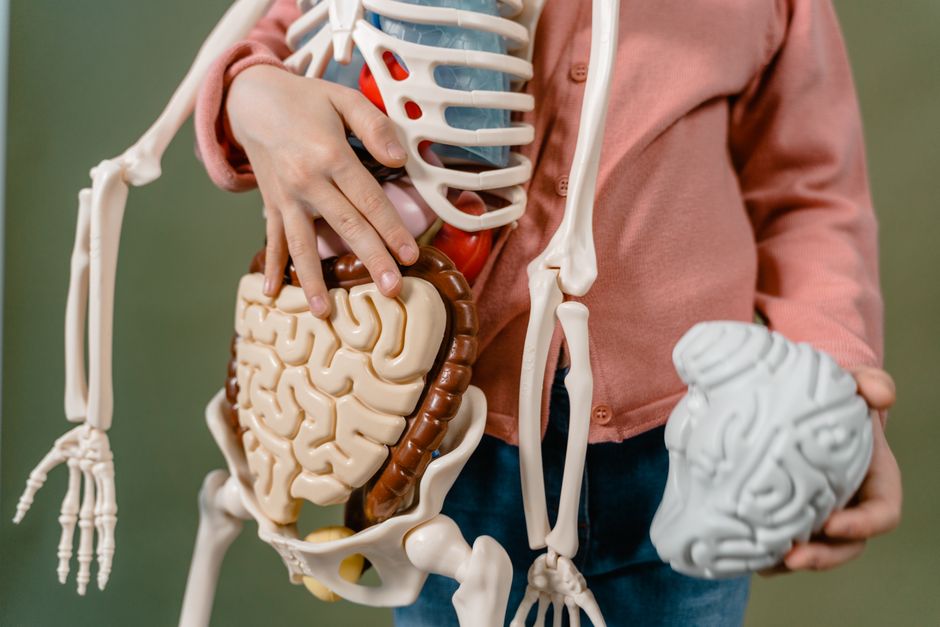
Digestive enzymes and probiotics are not the same thing. They are completely different products that work in different ways. Digestive enzymes are proteins that help break down the food you eat into smaller pieces. Probiotics are live bacteria and yeasts that live in your gut and support your digestive health. One helps digest your food; the other helps keep your gut ecosystem balanced. Many people confuse them because both are sold as digestive aids, but they serve distinct roles in your body.
What Do Digestive Enzymes Actually Do?
Your body makes digestive enzymes naturally. They are produced in your salivary glands, stomach, pancreas, and small intestine. Each enzyme targets a specific type of food. Amylase breaks down carbohydrates. Protease breaks down proteins. Lipase breaks down fats. Lactase breaks down lactose, the sugar in milk.
Think of enzymes as tiny scissors. They cut large food molecules into smaller pieces your body can absorb. Without them, food would pass through your system mostly undigested. That can lead to bloating, gas, and discomfort after eating.
Enzyme supplements are typically taken with meals. They work in the digestive tract at the moment you eat. They do not change the bacteria in your gut. They simply help with the mechanical process of digestion.
Some people do not produce enough of certain enzymes. Lactose intolerance is a common example. People with this condition lack enough lactase to break down milk sugar. Taking a lactase supplement can help them digest dairy products without discomfort.
What Are Probiotics and How Do They Work?
Probiotics are live microorganisms. They are often called “good bacteria” because they support the natural balance of organisms in your intestines. Your gut contains trillions of bacteria, both helpful and potentially harmful. Probiotics help keep the helpful ones thriving.
These organisms do not digest your food directly. Instead, they influence your gut environment. They can produce certain vitamins, support your immune system, and help maintain the barrier of your intestinal lining. They also compete with harmful bacteria for space and resources.
Probiotics are found in fermented foods like yogurt, kefir, sauerkraut, and kimchi. They are also sold as supplements in capsules, powders, and liquids. Unlike enzymes, probiotics are not taken with meals for immediate digestion. They are taken regularly to support long-term gut health.
Different strains of probiotics do different things. Lactobacillus and Bifidobacterium are the most studied groups. Some strains may help with antibiotic-related diarrhea. Others may ease symptoms of irritable bowel syndrome. The evidence for specific strains varies, and not all products contain the strains that have been studied.
Can You Take Digestive Enzymes and Probiotics Together?
Yes, you can take them together. They do not interfere with each other. Many people take both for different reasons. Enzymes help with the breakdown of food. Probiotics support the gut environment over time.
Some products combine both in a single capsule. These are marketed as complete digestive support formulas. The logic is reasonable: you get immediate help with digestion and long-term support for gut bacteria. However, research on whether combined formulas work better than taking them separately is limited.
One consideration is timing. Enzymes work best when taken right before or during a meal. Probiotics can be taken at any time, though some evidence suggests taking them with food may improve survival of the bacteria through your stomach acid. If you take a combined product, follow the instructions on the label.
If you take them separately, a common approach is taking the enzyme with meals and the probiotic at a consistent time each day. But there is no strong evidence that timing dramatically changes probiotic effectiveness for most people.



Which One Do You Need?
This depends on your symptoms and your situation. If you feel bloated or gassy after eating specific foods, you may have an enzyme deficiency. Lactose intolerance is the clearest example. If dairy causes you discomfort, a lactase enzyme may help.
If you have taken antibiotics recently, your gut bacteria may be depleted. Antibiotics kill harmful bacteria but also wipe out helpful ones. Some research suggests probiotics can help restore the balance and reduce antibiotic-related diarrhea. In this case, a probiotic may be more useful than an enzyme.
If you have a diagnosed condition like exocrine pancreatic insufficiency, enzyme replacement is medically necessary. This condition means your pancreas does not produce enough enzymes to digest food properly. Your doctor would prescribe specific enzyme supplements. This is different from over-the-counter enzyme products.
For general digestive discomfort without a clear cause, the evidence is less clear. Some studies suggest enzyme supplements may help with bloating and gas. Others show minimal benefit. The truth is that many digestive complaints have multiple causes, and a single supplement may not address the root issue.
What the Research Shows About Effectiveness
Digestive enzymes have solid evidence for specific conditions. Pancreatic enzyme replacement therapy is well established for people with pancreatic insufficiency. Lactase supplements are effective for lactose intolerance. These are clear cases where the enzyme addresses a known deficiency.
For general over-the-counter enzyme blends, the evidence is weaker. Some studies indicate they may reduce bloating and gas after meals. Other studies show no significant benefit compared to placebo. The quality of enzyme supplements also varies. Not all products contain the enzymes listed on the label in the amounts claimed.
Probiotics have stronger evidence for certain specific uses. Research on preventing antibiotic-associated diarrhea is fairly consistent. Some strains show benefit for reducing symptoms of irritable bowel syndrome. However, the effects are often modest and strain-specific. A probiotic that helps one person may not help another.
No large human trials have confirmed that enzyme supplements meaningfully change the gut microbiome. Likewise, no evidence shows that probiotics directly improve enzyme production. These are separate systems that happen to both matter for digestion.
Risks and Side Effects to Consider
Both products are generally considered safe for healthy adults. But they are not risk-free.
Digestive enzyme supplements can cause mild side effects. Some people experience nausea, stomach cramps, or diarrhea. High doses may irritate the digestive tract. People with allergies to certain molds or fungi should be cautious, as some enzymes are derived from these sources.
Probiotics can cause gas and bloating when you first start taking them. This usually settles within a few days. However, people with weakened immune systems or serious underlying illnesses should talk to a doctor before taking probiotics. There have been rare reports of infections caused by probiotic bacteria in severely ill patients.
Neither product is regulated as strictly as medications. The FDA treats them as dietary supplements. That means manufacturers are responsible for quality, but there is no pre-market approval process. Products can vary in quality and potency. Choose reputable brands that test their products independently.
If you are pregnant, breastfeeding, or managing a chronic condition, talk to your doctor before starting any new supplement. This is especially important because supplements can interact with medications or affect underlying conditions in ways that are not fully understood.
Common Misconceptions and Marketing Claims
Many supplement companies blur the line between enzymes and probiotics. Some products claim to “balance your gut flora” while also containing enzymes. Others claim enzymes can “restore gut health.” These claims are not supported by research.
Enzymes do not change the bacteria in your gut. They are proteins that act briefly during digestion and are then broken down themselves. They do not colonize your intestines or alter your microbiome in any lasting way.
Probiotics do not help you digest food in the moment. They work over days and weeks to influence your gut environment. Taking a probiotic right before a heavy meal will not prevent bloating from that meal.
Some marketing suggests that “leaky gut” can be cured by enzyme supplements or probiotics. No clinical evidence currently confirms that either product cures this condition. The concept of leaky gut is debated among researchers, and treatment claims far outpace the evidence.
Be cautious with any product that promises dramatic results. Digestive health is complex. A single supplement rarely fixes chronic digestive problems. If you have persistent symptoms, see a doctor. They can help identify the underlying cause, which may be dietary, medical, or related to stress.
How to Choose Quality Products
If you decide to try either product, choose carefully. Look for brands that use third-party testing. This helps ensure the product contains what the label claims. Some independent testing organizations verify supplement quality, though no single standard applies across all products.
For enzymes, look for products that list specific enzyme activities. The label should state amounts in units like FCC or USP, not just milligrams. This tells you the actual enzyme activity, which matters more than weight.
For probiotics, look for products that list the specific strains and colony-forming units (CFUs). A common dose is in the range of 1 to 10 billion CFUs, though higher amounts are not necessarily better. The strain matters more than the total count. Look for strains that have been studied for the specific benefit you are seeking.
Store both products as directed. Enzymes and probiotics can lose potency with heat and moisture. Some probiotics require refrigeration. Check the label and follow storage instructions.
When to See a Doctor Instead
Occasional bloating or gas after a heavy meal is normal. But persistent digestive symptoms deserve medical attention. If you have unexplained weight loss, blood in your stool, severe abdominal pain, or changes in bowel habits that last more than a few weeks, see a doctor.
Digestive symptoms can signal conditions that need treatment. Celiac disease, inflammatory bowel disease, gallstones, and pancreatic disorders all cause digestive problems. Supplements will not address these conditions and may delay proper diagnosis.
Your doctor can order tests to identify the cause of your symptoms. They can also recommend specific treatments based on evidence. For some conditions, enzyme therapy is medically necessary. For others, dietary changes or medications are the right approach.
Supplements can be helpful tools for some people. But they are not a substitute for medical care when you need it.
Frequently Asked Questions
Can I take digestive enzymes and probiotics at the same time?
Yes, they work through different mechanisms and do not interfere with each other. Many people take both for different reasons, though research on combined products is limited.
Do digestive enzymes kill probiotics?
No evidence shows that digestive enzymes kill probiotics. They are separate products that work in different parts of the digestive process.
Which is better for bloating, enzymes or probiotics?
Enzymes may help with bloating caused by undigested food in the moment. Probiotics work over time to support gut balance, and their effect on bloating varies by strain and individual.
Are there foods that contain both enzymes and probiotics?
Fermented foods like yogurt and kefir contain probiotics and may naturally contain some enzymes. However, the enzyme content is not standardized and is generally not comparable to supplement doses.
