
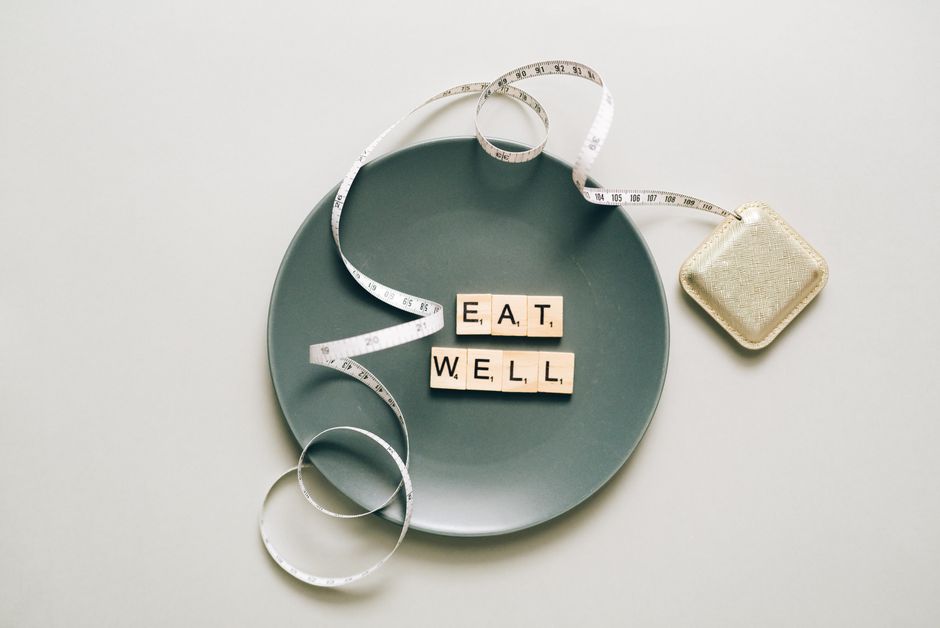
Lowering cholesterol fast requires combining specific dietary changes with regular exercise. The most effective approach is to reduce saturated fat and trans fat, increase soluble fiber, and add at least 150 minutes of moderate aerobic activity per week. This combination can start showing measurable results in as little as four to six weeks for some people. It is not about a single magic food or workout. It is about consistent, daily choices that work together.
What is the fastest way to lower LDL cholesterol through diet?
The fastest dietary change is cutting back on saturated fat. Saturated fat directly raises your LDL cholesterol, which is the type that clogs arteries. You do not need to eliminate fat entirely. You need to swap the sources. Replace butter, fatty cuts of red meat, full-fat dairy, and tropical oils like coconut and palm oil with unsaturated fats. Think olive oil, avocados, nuts, and fatty fish like salmon.
Adding soluble fiber is equally fast and important. Soluble fiber binds to cholesterol in your digestive tract and pulls it out of your body before it enters your bloodstream. Good sources include oats, barley, beans, lentils, apples, citrus fruits, and psyllium husk. Eating just 5 to 10 grams of soluble fiber per day can lower LDL cholesterol by about 5 to 11 points over several weeks. That is roughly a bowl of oatmeal with an apple and a handful of beans at lunch.
Plant sterols and stanols also work quickly. These are natural compounds found in plants that block cholesterol absorption in your gut. They are added to some fortified foods like certain margarines, orange juices, and yogurt drinks. Consuming 2 grams per day can lower LDL by 6 to 10 percent in a few weeks. This is a targeted strategy, not a replacement for the bigger changes.
How To Lower Cholesterol Fast Diet Exercise More?
The phrase “How To Lower Cholesterol Fast Diet Exercise More” captures the core truth that diet and exercise are not optional extras. They are the foundation. Without both, your results will be slower and less reliable. Exercise primarily raises HDL cholesterol, the “good” kind, and it helps lower triglycerides. It has a smaller direct effect on LDL, but it dramatically improves how your body processes fats overall.
Aerobic exercise is the most studied type for cholesterol. Brisk walking, jogging, cycling, swimming, or using an elliptical machine for at least 30 minutes most days of the week is the standard recommendation. That adds up to 150 minutes of moderate intensity or 75 minutes of vigorous intensity per week. Intensity matters. You should be breathing harder but still able to talk.
Resistance training also helps. Lifting weights or doing bodyweight exercises like push-ups and squats can improve your cholesterol profile, especially when added to aerobic exercise. The combination is better than either alone. The goal is to build lean muscle, which increases your resting metabolic rate and improves how your body handles sugar and fats.
Does reducing dietary cholesterol matter?
For most people, dietary cholesterol has a surprisingly small effect on blood cholesterol. The real drivers are saturated fat and trans fat. Your liver makes about 80 percent of the cholesterol in your body. When you eat more cholesterol from food, your liver usually produces less to compensate. This is not true for everyone. Some people, called hyper-responders, see a larger rise in blood cholesterol from dietary cholesterol. But for the general population, eggs and shrimp are not the enemy.
The bigger concern is foods high in both cholesterol and saturated fat, like fatty meats and full-fat dairy. The cholesterol itself is less of a problem than the saturated fat it comes with. Focus on cutting saturated fat first. If you have a specific medical condition like familial hypercholesterolemia, your doctor may give you different advice about dietary cholesterol. Otherwise, the evidence is clear that saturated fat is the main dietary culprit.



How much exercise is needed to see results?
Research consistently shows that at least 150 minutes of moderate aerobic exercise per week is the minimum to see meaningful changes in your cholesterol. Some people see improvements with less, but results are slower and smaller. The effect is dose-dependent. More exercise generally leads to bigger improvements, especially in HDL cholesterol and triglycerides.
A typical program looks like 30 to 40 minutes of brisk walking five days a week. If you are just starting, break it into 10-minute chunks. Three 10-minute walks have similar benefits to one 30-minute walk. The key is consistency over intensity. You cannot exercise for two hours on Saturday and skip the rest of the week and expect the same results. Your body needs regular stimulation to adapt.
For LDL specifically, exercise alone produces modest reductions, typically 5 to 10 percent. The real power of exercise is in how it amplifies the effects of diet. When you combine a heart-healthy diet with regular exercise, the total LDL reduction is often greater than the sum of each alone. This is the synergy that makes “diet exercise more” such a powerful combination.
What foods should you eat more of for cholesterol?
- Oats and barley – Rich in beta-glucan, a type of soluble fiber that lowers LDL.
- Beans and lentils – High in soluble fiber and plant protein, which replace less healthy protein sources.
- Fatty fish – Salmon, mackerel, sardines, and trout provide omega-3 fatty acids that lower triglycerides.
- Nuts – Almonds, walnuts, and pistachios improve cholesterol when eaten in small daily portions.
- Avocados – A source of monounsaturated fat that can lower LDL when replacing saturated fat.
- Fruits with pectin – Apples, grapes, strawberries, and citrus fruits contain pectin, a soluble fiber that binds cholesterol.
- Soy products – Tofu, edamame, and soy milk can replace high-fat animal proteins.
- Dark leafy greens – Spinach, kale, and collard greens add fiber and help bind bile acids.
None of these foods work in isolation. The benefit comes from eating them regularly and replacing less healthy options. Adding oatmeal to a diet that still includes bacon and butter will not do much. You must swap the bad for the good.
How fast can diet and exercise lower cholesterol?
Some people see measurable changes in their LDL cholesterol within four to six weeks of making significant diet and exercise changes. This is not universal. Genetics, starting cholesterol levels, age, and how strictly you follow the plan all affect the timeline. A 10 to 20 percent reduction in LDL over three months is a reasonable expectation for someone who makes substantial changes.
The speed depends heavily on how much saturated fat you cut. If you go from a high-saturated-fat diet to a very low one, your LDL can drop noticeably in the first month. Adding soluble fiber speeds this up. Exercise takes longer to show its full effect on HDL and triglycerides, often three to six months. The key is not to expect overnight results but to stay consistent. The first four weeks are when most people see the biggest initial drop.
Is it safe to try lowering cholesterol quickly?
For most people, yes. Rapid dietary changes are safe if you are eating real food and not extreme or restrictive diets. Very low-fat diets can sometimes lower HDL cholesterol or raise triglycerides, so the goal is balance, not elimination. You want to reduce saturated fat and increase unsaturated fat and fiber, not starve yourself of all fat.
If you take cholesterol medication, do not stop it without talking to your doctor. Diet and exercise can enhance the effects of statins or other drugs, but stopping medication suddenly can cause a rapid rebound in cholesterol. Always inform your doctor if you are making major lifestyle changes so they can adjust your treatment plan if needed. For people with very high cholesterol or existing heart disease, medication plus lifestyle is usually the safest and fastest approach.
Frequently Asked Questions
Can I lower cholesterol in 2 weeks?
Some people see a small drop in LDL within two weeks, especially if they cut saturated fat significantly. A meaningful reduction usually takes four to six weeks of consistent diet and exercise changes.
What is the single best food to lower cholesterol?
Oats are widely considered the best single food because they are rich in beta-glucan, a soluble fiber that directly lowers LDL. Eating a bowl of oatmeal daily is a simple, effective starting point.
Does walking lower cholesterol?
Yes, brisk walking for 30 minutes most days can lower LDL and raise HDL over several weeks. It is one of the most accessible and effective exercises for improving cholesterol.
Can I lower cholesterol without medication?
Many people can lower cholesterol significantly with diet and exercise alone, especially if their levels are only moderately high. People with very high cholesterol or genetic conditions may still need medication to reach their goals.
