
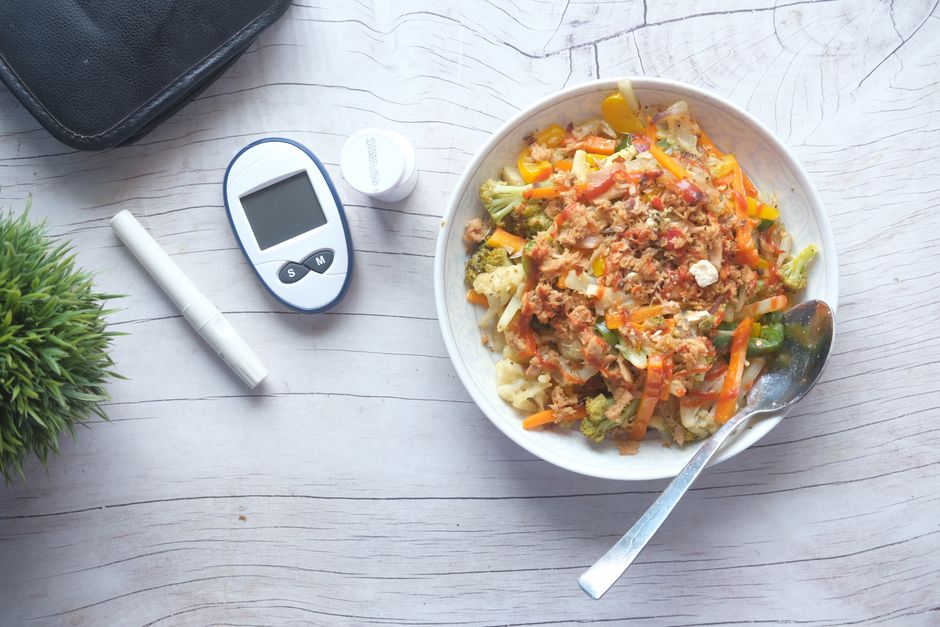
Yes. All digestible carbohydrates break down into sugar — specifically glucose — before your body can use them for energy. That includes bread, rice, fruit, potatoes, and table sugar itself. The speed and size of that rise in blood sugar varies a lot depending on the food, how it was cooked, and what you eat with it.
Do Carbs Turn Into Sugar?
Every carbohydrate you eat is built from sugar molecules. Your digestive system takes them apart.
Starch is a long chain of glucose units linked together. Table sugar (sucrose) is one glucose molecule bonded to one fructose molecule. Fruit contains fructose, glucose, and sucrose in varying amounts. Lactose in milk is glucose joined to galactose.
Enzymes in your saliva and small intestine — amylase, maltase, sucrase, lactase — cut these bonds. What enters your bloodstream is mostly glucose, plus some fructose and galactose. The liver converts fructose and galactose into glucose or other metabolites.
So the answer to whether carbs turn into sugar is straightforward. They already are sugar. Digestion just separates the pieces so they can be absorbed.
How Does the Body Turn Carbohydrates Into Blood Sugar?
Digestion starts in your mouth. Salivary amylase begins breaking starch into shorter chains while you chew. This is why a plain cracker starts tasting sweet if you hold it in your mouth long enough.
Most breakdown happens in the small intestine. Pancreatic amylase continues the job, and enzymes on the intestinal wall split the remaining two-sugar molecules into single sugars. These pass through the intestinal lining into the bloodstream.
Once glucose reaches the blood, the pancreas releases insulin. Insulin signals cells to take glucose in for energy or storage. The liver and muscles store it as glycogen. When glycogen stores are full, the liver converts excess glucose into fat.
Blood sugar rises after any carbohydrate-containing meal. In people without diabetes, insulin brings it back toward the normal fasting range of 70–99 mg/dL within a few hours. This is normal physiology, not a sign something is wrong.
Do All Carbs Raise Blood Sugar the Same Way?
No. The rise depends on the type of carbohydrate, the food’s structure, and what else is on your plate.
Fiber is the key difference. Fiber is a carbohydrate your body cannot fully break down. It slows digestion and blunts the glucose spike. A whole apple and a glass of apple juice contain similar sugar, but the whole fruit delivers fiber that the juice does not.
Starch structure matters too. Starch in white bread is digested quickly. Starch in whole oats or legumes is packed into cell walls that take longer to break apart. Cooking and cooling change this — cooling cooked potatoes or rice increases resistant starch, a portion your body cannot digest at all.
Fructose raises blood glucose less than the same amount of glucose does. But fructose is not “free.” It is metabolized in the liver, and large amounts from added sugars can contribute to fat buildup. Fruit contains fructose along with fiber, water, and micronutrients. Sweetened drinks deliver fructose fast with none of that.





What Is the Glycemic Index and Does It Matter?
The glycemic index (GI) ranks foods by how much they raise blood glucose compared with a reference food, usually glucose or white bread. Foods are typically grouped as low, medium, or high GI.
GI has real limitations. It is measured on a fixed portion of carbohydrate, not a normal serving. Carrots have a high GI but a serving contains so little carbohydrate that the actual effect on blood sugar is small. That is why researchers developed glycemic load (GL), which multiplies GI by the grams of carbohydrate in a serving.
For most people, counting GI scores is not necessary. The evidence that GI-based diets outperform general healthy eating for the average person is mixed. For people managing diabetes, some studies suggest lower-GI eating patterns modestly improve blood sugar control. The effect is real but usually smaller than the effect of total carbohydrate amount and overall diet quality.
Are Simple Carbs Worse Than Complex Carbs?
Broadly, yes — but the line is blurrier than most people think.
Simple carbohydrates are sugars: table sugar, honey, fruit juice, soda. Complex carbohydrates are starches and fiber: grains, beans, potatoes, vegetables. The old rule was that simple carbs spike blood sugar fast and complex carbs do not.
That rule breaks down in practice. White bread and white rice are complex carbohydrates, yet they raise blood sugar about as fast as table sugar. Meanwhile, fruit is a simple carbohydrate but comes packaged with fiber that slows absorption.
What actually predicts the blood sugar response is how much fiber, fat, and protein accompany the carbohydrate, how processed the food is, and how much you eat. Whole foods generally win over refined ones. That holds for reasons beyond blood sugar, including fiber, vitamins, and satiety.
Does Cutting Carbs Lower Blood Sugar?
Yes. Fewer carbohydrates means less glucose entering the bloodstream from digestion.
This is why low-carbohydrate and ketogenic diets reliably lower blood glucose and HbA1c in the short term. HbA1c reflects average blood sugar over roughly the past two to three months. Some research shows these diets can reduce or eliminate the need for diabetes medication in certain people, at least initially.
Two honest caveats. First, most of the strongest results come from short-term studies. Long-term adherence is difficult, and many people regain lost ground over time. Second, if you take insulin or a sulfonylurea, cutting carbs without adjusting medication can cause hypoglycemia — dangerously low blood sugar. This is a real risk, not a theoretical one. Any significant carb reduction while on these medications should be managed with a clinician.
For people without diabetes, cutting carbs is not required for healthy blood sugar. The body handles moderate carbohydrate intake well when overall diet and activity are reasonable.
Do You Need Carbs at All?
No. Carbohydrates are not an essential nutrient in the way certain fats and amino acids are. Your body can make the glucose it needs through a process called gluconeogenesis, mostly in the liver.
That does not mean carbs are harmful or unnecessary. Fiber — a carbohydrate — supports digestive health and is linked to lower risk of several chronic diseases. Most people fall short of recommended fiber intake. Whole-food carbohydrate sources also deliver vitamins, minerals, and compounds that are hard to get elsewhere.
The question is not whether you need carbs. It is which carbs, how many, and in what form. For most people, that means more whole foods and fiber, fewer refined starches and added sugars.
What Happens If You Eat Too Much Sugar?
Your body handles a surplus by storing it. The liver and muscles hold a limited amount of glycogen. Once those are full, the liver converts the rest into fat.
Chronic excess intake of added sugars is linked to weight gain, fatty liver, insulin resistance, and higher risk of type 2 diabetes. The relationship is not simple — total calories, activity, genetics, and overall diet all play roles. But the pattern is consistent across large studies.
The type of sugar matters. Added sugars in sweetened drinks are absorbed fast and add calories without fiber or satiety. Sugar naturally present in whole fruit comes with fiber and water and is not associated with the same risks at typical intakes.
Natural sugars and added sugars are chemically similar. The difference is the package they arrive in and how much you consume.
How Can You Manage Blood Sugar Through Diet?
Pair carbohydrates with protein, fat, or fiber. This slows digestion and flattens the glucose rise. A slice of bread alone hits differently than the same slice with eggs and avocado.
Choose less processed forms when you can. Whole oats over instant, whole fruit over juice, beans over refined grains. These swaps increase fiber and slow absorption.
Eat carbohydrates in the context of an overall eating pattern rather than in isolation. Physical activity also helps — muscles take up glucose during and after exercise, and this effect can last for hours.
If you have diabetes or prediabetes, work with a clinician or dietitian on a plan that fits your medications and health. General advice does not account for individual needs.
Frequently Asked Questions
Do all carbs turn into sugar?
All digestible carbohydrates break down into single sugars, mostly glucose, during digestion. Fiber is the exception — it is a carbohydrate your body cannot fully break down, so it contributes little or no blood sugar.
How long does it take for carbs to turn into sugar?
Blood glucose typically starts rising within 15 to 30 minutes of eating and peaks around 30 to 60 minutes later, depending on the food. The full digestive process can take a few hours, especially with a mixed meal containing fat and protein.
Do carbs turn into sugar if you don’t eat them with protein?
Yes, carbohydrates break down into sugar regardless of what else you eat. Eating protein or fat alongside them slows digestion and blunts the peak, but it does not stop the conversion.
Is it true that carbs turn into fat?
Only when you eat more glucose than your body needs for energy and glycogen storage. Once liver and muscle glycogen stores are full, the liver converts excess glucose into fat.
