
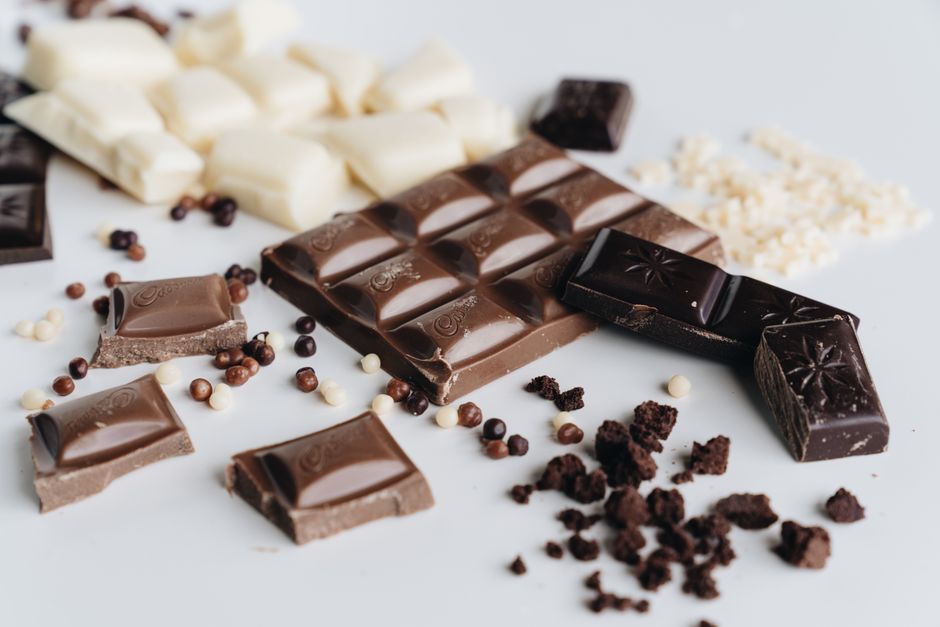
Cacao nibs are pieces of crushed cacao beans, and yes, they contain caffeine. However, the amount is relatively small compared to coffee or tea. A typical serving of cacao nibs provides a mild stimulant effect, but it is far less potent than a standard cup of coffee. This guide explains exactly how much caffeine is in cacao nibs, how it compares to other sources, and what that means for your health.
Do Cacao Nibs Contain Caffeine?
Yes, cacao nibs contain caffeine naturally. Caffeine is a plant compound found in the cacao bean, along with another stimulant called theobromine. Theobromine is chemically similar to caffeine but has a milder, longer-lasting effect on the body.
In raw cacao nibs, the caffeine content is typically around 10 to 20 milligrams per tablespoon. This is a rough range because the exact amount varies depending on the origin of the beans, how they were processed, and the specific batch. For comparison, a standard 8-ounce cup of brewed coffee contains about 95 milligrams of caffeine.
So a single tablespoon of cacao nibs has roughly one-tenth to one-fifth the caffeine of a cup of coffee. You would need to eat several tablespoons to approach the caffeine level of a single cup of coffee.
How Much Caffeine Is in Cacao Nibs vs. Other Foods?
To understand the caffeine content of cacao nibs, it helps to compare them to other common foods and drinks. The numbers below are approximate values based on standard serving sizes. Actual amounts can vary by brand and preparation.
| Food or Drink | Serving Size | Approximate Caffeine |
|---|---|---|
| Cacao nibs | 1 tablespoon | 10-20 mg |
| Dark chocolate (70-85%) | 1 ounce | 20-30 mg |
| Milk chocolate | 1 ounce | 5-10 mg |
| Brewed coffee | 8 ounces | 95 mg |
| Black tea | 8 ounces | 40-70 mg |
| Green tea | 8 ounces | 25-45 mg |
The key takeaway is that cacao nibs are a moderate source of caffeine. They sit between milk chocolate and dark chocolate in caffeine content per serving. But because nibs are often eaten in small amounts, the total caffeine intake is usually low.
What Is Theobromine and How Does It Differ From Caffeine?
Cacao beans contain two stimulants: caffeine and theobromine. Most people have heard of caffeine, but theobromine is less familiar. Both compounds belong to a class of molecules called methylxanthines, and both affect the central nervous system.
Theobromine is present in higher amounts than caffeine in cacao. In fact, cacao beans contain roughly two to three times more theobromine than caffeine. Theobromine has a milder stimulant effect than caffeine. It does not cross the blood-brain barrier as easily, so it produces less of the “jittery” feeling that coffee can cause.
Instead, theobromine has a more noticeable effect on blood vessels and smooth muscle. It can act as a mild vasodilator, meaning it widens blood vessels. This is why some people report a gentle, sustained sense of alertness after eating cacao rather than the sharp spike and crash associated with coffee.
Some research suggests theobromine may also have a mild cough-suppressant effect and could influence mood. But these findings are preliminary. The combination of caffeine and theobromine in cacao nibs produces a distinct stimulant profile that is different from coffee alone.





Does Processing Affect Caffeine Levels in Cacao Nibs?
Processing does change the caffeine content of cacao products, but not in the way most people expect. The caffeine molecule itself is stable and does not break down easily with heat. So roasting does not remove caffeine from the bean.
What changes is the concentration. Cacao nibs are simply crushed, roasted cacao beans. They contain the whole bean, so caffeine is present in its natural concentration. When cacao is processed into chocolate, other ingredients like sugar, milk, and cocoa butter are added. This dilutes the caffeine per ounce.
This is why dark chocolate with a high percentage of cacao has more caffeine than milk chocolate. The higher the cacao content, the closer the product is to the original bean, and the more caffeine it contains per serving.
Cocoa powder is a different case. Cocoa powder is made by removing most of the cocoa butter from the bean, leaving a concentrated powder. Because the fat is removed, the remaining powder has a higher concentration of caffeine by weight. A tablespoon of unsweetened cocoa powder may contain roughly 10 to 15 milligrams of caffeine.
Can You Feel the Caffeine in Cacao Nibs?
Whether you feel the caffeine from cacao nibs depends on your sensitivity and how much you eat. For most people, a small handful of nibs will not produce a noticeable stimulant effect. The caffeine dose is simply too low.
But theobromine changes the picture. Even if the caffeine dose is small, theobromine contributes a subtle, longer-lasting effect. Some people describe this as a mild mood lift or a gentle sense of focus. Others feel nothing at all.
People who are highly sensitive to caffeine may notice the effect more strongly. If you are someone who gets jittery after a small cup of coffee, cacao nibs might give you a mild buzz. People with anxiety disorders or heart rhythm issues should be more cautious, as even small amounts of stimulants can be problematic for some individuals.
If you are trying to avoid caffeine entirely, cacao nibs are not a safe choice. They contain caffeine, and the amount adds up if you eat them regularly throughout the day.
Are Cacao Nibs a Healthy Source of Caffeine?
Cacao nibs are a whole food source of caffeine. Unlike energy drinks or soda, they come with other beneficial compounds. Cacao beans are rich in flavanols, which are plant antioxidants. Some research suggests these compounds may support heart health by improving blood flow and reducing inflammation.
However, it is important to be precise about what the evidence shows. Studies on chocolate and heart health are promising, but many use cocoa extracts rather than whole cacao nibs. The amount of flavanols in commercial cocoa products varies widely. You cannot assume that eating cacao nibs will lower your risk of heart disease based on the current evidence.
The caffeine in cacao nibs is not a concern for most healthy adults. The FDA identifies up to 400 milligrams of caffeine per day as a safe amount for healthy adults. To reach that level from cacao nibs alone, you would need to eat roughly a quarter pound of nibs, which is an unrealistic amount for most people.
One genuine concern is that cacao nibs are high in calories and fat. They are a concentrated food, and a quarter cup contains around 200 calories. They are also a significant source of copper, manganese, and magnesium, which is a positive for most people. But portion control matters if you are watching your weight.
Who Should Be Cautious About Caffeine in Cacao Nibs?
Most healthy adults can eat cacao nibs without concern. But certain groups should be more careful.
Pregnant women are one group. Clinical guidance generally recommends limiting caffeine intake during pregnancy to about 200 milligrams per day. Cacao nibs would contribute to that total, so they are not prohibited, but they should be counted. No clinical guidelines exist specifically for cacao nibs during pregnancy, so the general caffeine limit applies.
People with heart conditions should also be cautious. Caffeine and theobromine both stimulate the cardiovascular system. For someone with arrhythmias or uncontrolled high blood pressure, even small amounts of stimulants can be a concern. If you have a heart condition, talk to your doctor before adding cacao nibs to your regular diet.
Children and infants should not consume cacao nibs. Their bodies process caffeine more slowly, and they are more sensitive to its effects. Theobromine is also toxic to dogs and other pets, so keep cacao nibs away from animals.
People taking certain medications should also be aware. Caffeine can interact with some drugs, including certain antibiotics and medications for depression. If you take prescription medication, check with your pharmacist about potential interactions.
How to Use Cacao Nibs Without Overdoing Caffeine
If you want the nutritional benefits of cacao nibs without consuming too much caffeine, portion control is the answer. A single tablespoon of nibs provides a modest amount of caffeine. Sprinkling a tablespoon over oatmeal, yogurt, or a smoothie is a reasonable serving.
You can also use cacao nibs in baking. Adding them to muffins or energy bars spreads the caffeine across multiple servings, so each portion contains very little. This is a practical way to enjoy the flavor and texture without a concentrated dose.
If you are sensitive to caffeine, consider using cacao nibs earlier in the day. Eating them in the evening could interfere with sleep for some people, especially if you are sensitive to stimulants. Theobromine has a longer half-life than caffeine, so its effects last longer in the body.
One final note: cacao nibs are not the same as cocoa powder. They are less processed and contain the natural fat of the bean. This gives them a different texture and a more intense, bitter flavor. If you find them too bitter, you can blend them into smoothies with fruit, which masks the bitterness while preserving the nutritional content.
Frequently Asked Questions
Do cacao nibs keep you awake at night?
They can for sensitive people. The caffeine and theobromine in cacao nibs are stimulants, and theobromine lasts longer in the body than caffeine.
Are cacao nibs stronger than coffee?
No. Coffee contains far more caffeine per serving. A tablespoon of cacao nibs has about 10-20 mg of caffeine, while an 8-ounce cup of coffee has about 95 mg.
How many cacao nibs can I eat per day?
There is no official limit, but a serving size of one to two tablespoons is reasonable for most adults. This provides a modest amount of caffeine and calories without overdoing either.
Do cacao nibs have more caffeine than dark chocolate?
Per ounce, dark chocolate and cacao nibs have similar caffeine levels. Nibs are denser, so a tablespoon of nibs may contain slightly more caffeine than an ounce of dark chocolate, but the difference is small.
