
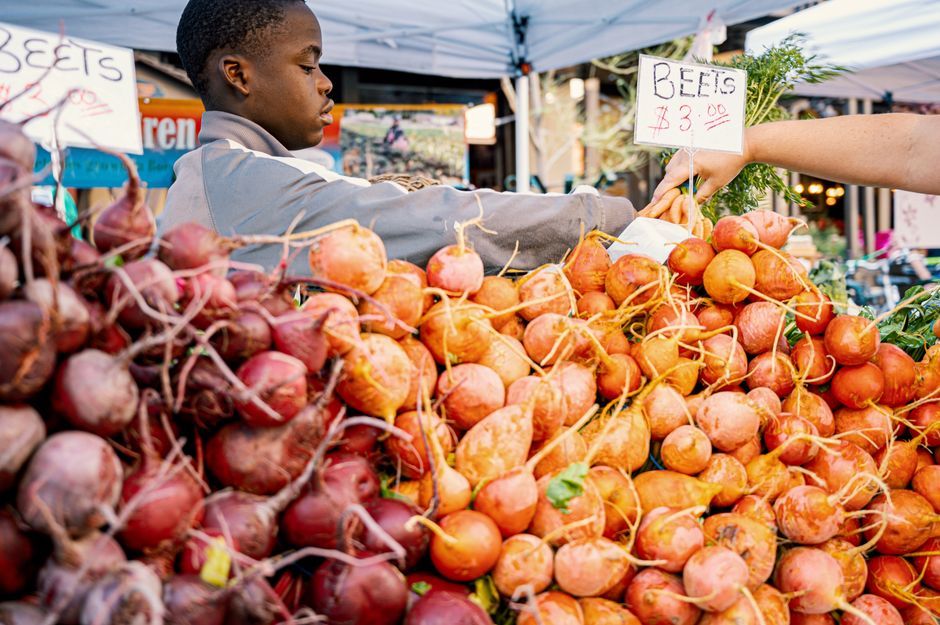
Do beets have iron? Yes, beets contain iron, but the amount is modest and the type is non-heme iron, which the body absorbs less efficiently than the iron from meat. Research shows that while beets contribute to your total iron intake, they are not a top source compared to foods like spinach, lentils, or red meat. Beet greens, however, are significantly higher in iron than the root.
Do Beets Have Iron? The Nutritional Facts
One cup of cooked beetroot (about 170 grams) provides roughly 1.3 milligrams of iron. For context, adult men need about 8 mg per day, and women before menopause need about 18 mg. That means a cup of beets covers about 7 to 16 percent of daily needs, depending on your age and sex. The iron in beets is non-heme, the type found in plants. Non-heme iron is less available to your body than the heme iron from animal products. But beets also contain vitamin C, which can improve non-heme iron absorption when eaten in the same meal.
How Much Iron Is in Beets Compared to Other Vegetables?
Beets are not among the most iron-dense vegetables. Here is how they compare to other common plant sources per cooked cup:
- Spinach: about 6.4 mg
- Swiss chard: about 4 mg
- Beet greens: about 2.7 mg
- Lentils: about 6.6 mg
- Beetroot: about 1.3 mg
Beet greens, which are often discarded, contain roughly twice the iron of the root. If you are looking to increase iron intake from beets, eating the greens is more effective. The root itself remains a good source of other nutrients like folate, potassium, and nitrates, but it is not a standout source of iron.
Is the Iron in Beets Well Absorbed by the Body?
Non-heme iron absorption depends heavily on what else you eat. The iron from beets is non-heme, and several factors affect how much your body actually uses. Vitamin C, which beets contain in small amounts, can enhance absorption. Pairing beets with a source of vitamin C — such as lemon juice, tomatoes, or bell peppers — improves availability. On the other hand, compounds called oxalates in beets can bind to iron and reduce absorption. Beetroot has moderate oxalate levels, which may lower the amount of iron your body can take in. Cooking can reduce oxalates somewhat. Overall, the body absorbs roughly 2 to 20 percent of non-heme iron from a meal, depending on the mix of foods. That is much lower than the 15 to 35 percent absorption rate for heme iron from meat.


Can Beets Help With Iron Deficiency Anemia?
Beets alone are unlikely to correct iron deficiency anemia. The amount of absorbable iron in a serving is small, and the presence of oxalates reduces it further. Some sources claim beets can boost blood health because of their nitrate content, which improves blood flow and oxygen delivery. But that is a different mechanism from increasing iron stores or hemoglobin levels. No large human trials have shown that eating beets raises ferritin or hemoglobin in people with anemia. Some clinicians recommend beets as part of a broader iron-rich diet, but the evidence does not support using beets as a primary treatment for iron deficiency.
What Does Research Say About Beets and Iron?
Research on beets specifically and iron status is limited. Most studies have focused on beetroot juice and its nitrate content for athletic performance or blood pressure. One study — an uncontrolled trial — suggested a beetroot-based supplement may modestly increase hemoglobin in certain populations, but the evidence is weak and not generalizable. Clinical guidelines for treating iron deficiency emphasize heme iron sources (red meat, poultry, fish) or high-iron plants like spinach, lentils, and fortified cereals, often together with vitamin C. Beets are not listed as a primary recommendation. Some research suggests the iron in beets may be less bioavailable than in lower-oxalate greens like kale. Overall, the evidence does not support the popular claim that beets are a powerful iron source.
Should You Eat Beets for Iron?
Beets can be part of a healthy diet, but they should not be your main strategy for meeting iron needs. They provide other benefits — dietary nitrates for circulation, fiber, and antioxidants. If you enjoy beets, eat them with a vitamin C source and cook them to reduce oxalates. If you are aiming to improve iron levels, focus first on foods with more iron per serving and better absorption. Beet greens, if available, are a more practical choice. Supplements containing beetroot extract for iron are not supported by strong evidence.
Other Health Benefits of Beets That Are Well Established
Beets are well studied for their nitrate content. Dietary nitrates convert to nitric oxide in the body, which relaxes blood vessels and can lower blood pressure. Several trials confirm that beetroot juice reduces systolic blood pressure by a few points. Beets also contain folate, manganese, and fiber. These benefits are real and backed by research. When people ask “Do beets have iron?” the answer is yes, but the health reputation of beets rests more on nitrate research than on iron content.
Frequently Asked Questions
Are beets high in iron?
No, beets are not high in iron. A cup of cooked beets provides about 1.3 mg, which is modest compared to spinach, lentils, or meat.
Can eating beets help with anemia?
Evidence is limited. Beets alone are unlikely to correct iron deficiency anemia due to low iron content and reduced absorption.
Do beet greens have more iron than the root?
Yes, beet greens contain roughly twice the iron of the beetroot. They are a better plant source of iron.
What is the best way to eat beets to absorb more iron?
Cook beets to reduce oxalates and pair them with vitamin C, such as lemon juice or tomatoes, to improve non-heme iron absorption.
