
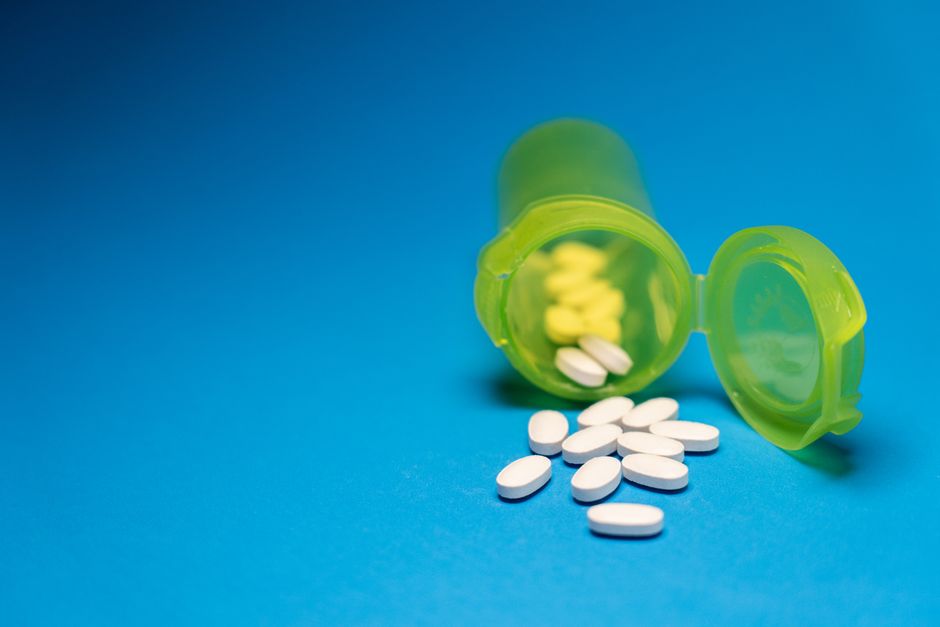
Yes, alcohol can show up on a drug screen, but it depends on the type of test being used. Standard workplace drug tests typically do not screen for alcohol. However, specific alcohol testing, which uses breath, blood, or urine samples, can detect alcohol in the body for a limited window after your last drink. The detection window is short, usually measured in hours rather than days, which is a key difference from tests for other substances like marijuana.
How Does Alcohol Appear on a Standard Drug Test?
Most standard drug tests, often called a 5-panel or 10-panel drug screen, look for substances like marijuana, cocaine, opiates, amphetamines, and PCP. Alcohol is not included in these standard panels. If an employer or organization needs to test for alcohol, they must specifically request it.
When alcohol testing is requested, it is usually done through a breathalyzer, a blood test, or a urine test. Each method measures alcohol differently and has a different detection window. A breathalyzer measures the alcohol in your breath, which correlates closely with the alcohol in your blood. Blood tests are the most accurate and measure the actual concentration of alcohol in your bloodstream at the time of the draw.
Urine tests for alcohol are a bit more complex. They can look for ethanol itself, which is the intoxicating component of alcoholic drinks, or they can look for ethyl glucuronide (EtG) and ethyl sulfate (EtS), which are byproducts your body produces when it processes alcohol. The presence of these byproducts can extend the detection window significantly.
How Long Can Alcohol Be Detected in Urine?
The detection time for alcohol in urine depends entirely on what the test is looking for. If the test looks for ethanol, the detection window is very short, generally up to 12 hours after your last drink. This is because your body metabolizes alcohol relatively quickly, clearing it from your system.
However, if the test looks for the byproducts, specifically EtG, the window is much longer. Some research suggests EtG can be detected in urine for up to 80 hours after heavy alcohol use. For lighter drinking, it might only be detectable for 24 to 48 hours. This is why EtG tests are sometimes called “80-hour tests,” although the actual window varies based on how much you drank and your individual metabolism.
These byproduct tests are often used in situations where abstinence is required, such as in some treatment programs, professional licensing boards, or legal cases. They are highly sensitive, meaning they can detect even small amounts of alcohol. This sensitivity also means they can produce positive results from exposure to alcohol in other products, such as mouthwash, certain medications, or even some foods, which is a significant limitation of the test.
How Long Can Alcohol Be Detected in Breath and Blood?
Breath and blood tests measure the alcohol currently in your system, not the byproducts. The detection window for these tests is very short. A blood test can typically detect alcohol for up to 12 hours after your last drink. A breathalyzer test has an even shorter window, usually detecting alcohol for up to 24 hours, but in practice, it is most reliable within a few hours of drinking.
Your body processes alcohol at a fairly predictable rate. On average, the liver can metabolize about one standard drink per hour. This rate is influenced by factors like body weight, sex, age, and how much food you have eaten. Because of this steady rate of elimination, the amount of alcohol in your blood or breath drops predictably over time. Once your blood alcohol concentration (BAC) returns to zero, a breath or blood test will be negative.
This is a critical distinction. A breath or blood test only tells you if you have alcohol in your system right now. It does not tell you if you drank yesterday or the day before. If you are asking whether alcohol will show up on a test tomorrow, the answer depends heavily on whether the test is measuring current alcohol or its byproducts.


What Is the Detection Window for Alcohol in Hair?
Hair testing for alcohol is possible, but it is not as common as urine or breath testing. This type of test looks for fatty acid ethyl esters (FAEEs) and EtG that get deposited into the hair shaft as it grows. Because hair grows slowly, these tests can provide a much longer detection window, potentially covering several months of drinking history.
Hair tests are not typically used for workplace screening. They are more often used in legal or medical settings where a long-term history of alcohol use needs to be established. One of the challenges with hair testing is that it can be affected by external contamination, such as using certain hair care products that contain alcohol. This makes interpretation of results more complex and sometimes controversial.
If you are facing a hair test, the window is measured in months, not hours or days. This is a completely different kind of test from the breath or blood tests that measure current intoxication.
What Factors Affect How Long Alcohol Stays in Your System?
Several factors influence how quickly your body clears alcohol. The most significant is the amount you drank. The more alcohol you consume, the longer it takes to metabolize. A single glass of wine will leave your system much faster than a night of heavy drinking.
Your body weight and composition matter. People with more body water tend to dilute alcohol more, which can result in lower peak concentrations and potentially faster clearance. Sex is also a factor, as women generally have less body water and lower levels of a stomach enzyme that breaks down alcohol, which can lead to higher blood alcohol levels and longer detection times.
Food intake plays a major role. Drinking on an empty stomach allows alcohol to be absorbed more quickly, but it also means your body processes it at the same rate once it is in your bloodstream. Food primarily slows the absorption, not the elimination. Your liver health is also critical, as the liver is the primary organ responsible for breaking down alcohol. Any condition that impairs liver function can slow this process down.
Certain medications can interact with alcohol metabolism, but this is highly individual. Some drugs can inhibit the enzymes that break down alcohol, leading to higher levels for longer. This is a complex area, and the specific effects depend on the medication and the individual.
Can Mouthwash or Other Products Cause a Positive Alcohol Test?
Yes, this is a real concern, particularly with urine tests that look for EtG. Many everyday products contain alcohol, including mouthwash, breath sprays, cough syrups, and some non-alcoholic beers that contain trace amounts. Using these products close to a test could potentially result in a positive EtG result.
This is why EtG tests are controversial. They are highly sensitive and can detect very low levels of alcohol. A positive test does not necessarily mean someone was drinking. It could be the result of using a common household product. Confirmatory testing, which is more specific, can help distinguish between actual drinking and incidental exposure, but it is not always perfect.
For breath tests, using mouthwash or breath spray that contains alcohol can also cause a false positive, but this is usually short-lived. The alcohol from these products dissipates quickly, and a confirmatory breath test taken a few minutes later will typically be negative. Standard practice is to wait a few minutes before administering a breath test to rule out this type of contamination.
What Research Says About Alcohol and Drug Screenings
Research consistently shows that alcohol is metabolized and eliminated from the body at a predictable rate. Studies on the detection of ethanol in urine and blood confirm that these tests are only useful for detecting recent drinking, typically within the past 12 to 24 hours. The science behind this is well established.
The research on EtG is more nuanced. Studies have confirmed that EtG can be detected for a much longer period, but the exact window varies widely. Factors like the amount of alcohol consumed, individual metabolism, and the sensitivity of the test all play a role. Some studies indicate that EtG can be detected for up to 80 hours after heavy use, but for moderate drinking, the window is often shorter.
Research also highlights the limitations of these tests. The sensitivity of EtG tests to incidental alcohol exposure is a well-documented problem. Studies have shown that using alcohol-containing mouthwash can produce positive EtG results. This is why experts caution against relying solely on EtG tests for disciplinary or legal decisions without confirmatory evidence.
The bottom line from the research is clear: if you are being tested for alcohol, the type of test matters more than anything else. A breath or blood test only reflects current intoxication. A urine test for ethanol reflects the last 12 hours or so. A urine test for EtG reflects the last few days, and a hair test can reflect months of use.
Frequently Asked Questions
Does alcohol show up on a standard 5-panel drug test?
No, a standard 5-panel drug test does not screen for alcohol. It typically tests for marijuana, cocaine, opiates, amphetamines, and PCP.
How long does alcohol stay in your urine for a drug test?
Ethanol can be detected in urine for up to 12 hours after your last drink. However, tests that look for the byproduct EtG can detect alcohol for 24 to 80 hours, depending on how much you drank.
Can a breathalyzer detect alcohol from the night before?
It is unlikely. A breathalyzer measures the alcohol currently in your breath, which typically returns to zero within a few hours after you stop drinking.
Can mouthwash cause a positive alcohol test?
Yes, alcohol-containing mouthwash can cause a positive result on a sensitive EtG urine test. It can also briefly affect a breath test, but a confirmatory breath test a few minutes later will usually be negative.
