
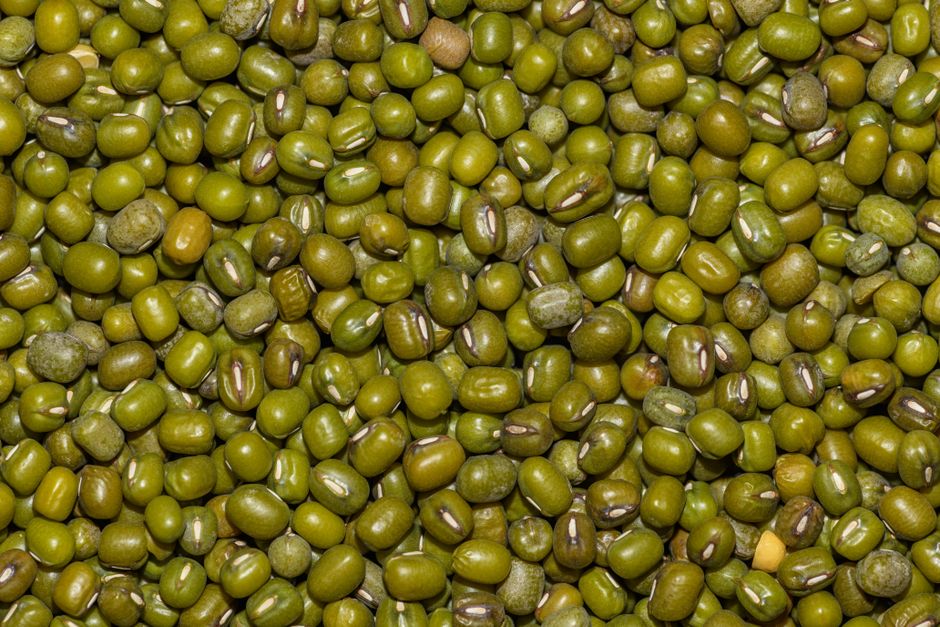
Yes, green beans contain iron. A one-cup serving of cooked green beans provides about 1.2 milligrams of iron, which is roughly 7% of the daily value for adults. They are not the richest source of iron compared to red meat or spinach, but they contribute meaningfully to your daily intake, especially when eaten as part of a varied diet.
How Much Iron Is in Green Beans?
The exact amount of iron in green beans depends on how they are prepared. Raw green beans have slightly less iron by weight because they contain more water. Cooking concentrates the nutrients.
Here is the breakdown based on standard USDA nutritional data:
- Raw green beans: About 1.0 mg of iron per cup (cut pieces)
- Cooked green beans (boiled): About 1.2 mg of iron per cup
- Canned green beans: About 1.0 mg of iron per cup, drained
- Frozen green beans (cooked): Similar to fresh cooked, about 1.1 mg per cup
For context, the recommended daily allowance for iron is 8 mg for adult men and 18 mg for premenopausal women. Postmenopausal women need 8 mg daily. A single serving of green beans covers a small but real portion of that need.
Is the Iron in Green Beans the Same as Meat Iron?
No. There are two types of dietary iron, and they are absorbed differently by the body.
Heme iron comes from animal sources like beef, chicken, and fish. Your body absorbs heme iron efficiently, typically at a rate of 15% to 35%.
Non-heme iron comes from plant sources like green beans, spinach, lentils, and fortified grains. The absorption rate is lower, usually 2% to 20%. This means you get less usable iron from a cup of green beans than the same amount of iron in a piece of steak.
This difference matters if you rely on plants for most of your iron. It does not mean plant iron is worthless. It means you need to be more intentional about how you eat it.
How to Improve Iron Absorption From Green Beans
The body can absorb more non-heme iron when certain foods are eaten at the same time. This is well established in nutrition science.
Vitamin C is the most effective enhancer. It can double or triple the absorption of non-heme iron. Eating green beans with a food rich in vitamin C is one of the simplest ways to get more iron from them.
Good pairings include:
- Tomatoes or tomato sauce
- Bell peppers
- Citrus fruits like oranges or lemon juice
- Broccoli
- Strawberries
For example, a green bean salad with sliced strawberries and a lemon vinaigrette is a practical way to combine these nutrients. A stir-fry with green beans and bell peppers works just as well.
Some research also suggests that cooking green beans in an iron skillet can increase their iron content. The food picks up trace amounts of iron from the pan. This is a real effect, though the amount varies.



What Blocks Iron Absorption?
Several compounds in food can reduce how much non-heme iron your body absorbs. Knowing these helps you plan meals better.
Phytates are found in whole grains, beans, nuts, and seeds. They bind to iron and carry it out of the body. Eating green beans with a bowl of oatmeal or a handful of almonds in the same meal will reduce iron absorption.
Tannins in tea and coffee also block iron absorption. Drinking a cup of black tea with your meal can cut iron absorption significantly. Green tea has the same effect, though slightly weaker.
Calcium competes with iron for absorption pathways. Dairy products like milk, cheese, and yogurt eaten in the same meal as green beans can lower iron uptake.
You do not need to avoid these foods entirely. The practical approach is to separate them. Drink coffee an hour before or after a meal rather than with it. Eat dairy at a different meal than your main iron sources.
Do Green Beans Help With Anemia?
Green beans alone will not correct iron deficiency anemia. The amount of iron they provide is too small, and the non-heme form is not absorbed efficiently enough.
If you have been diagnosed with anemia, iron supplements or prescribed treatments are the standard medical approach. Dietary changes support recovery but should not replace treatment.
For people who are not anemic but want to maintain healthy iron levels, green beans are a reasonable part of a plant-forward diet. They contribute iron along with fiber, folate, and vitamin K. They are low in calories and contain no fat.
People at higher risk for iron deficiency include:
- Premenopausal women with heavy menstrual bleeding
- Pregnant women
- Vegetarians and vegans
- People with digestive conditions that affect absorption
- Athletes who train intensely
If you fall into one of these groups, green beans can help, but you likely need additional iron sources like lentils, fortified cereals, or supplements under medical guidance.
Green Beans vs. Other Vegetables for Iron
Comparing green beans to other vegetables gives you a clearer picture of where they stand.
| Vegetable (1 cup cooked) | Iron Content |
|---|---|
| Spinach | 6.4 mg |
| Lentils | 6.6 mg |
| Green peas | 2.5 mg |
| Broccoli | 1.0 mg |
| Green beans | 1.2 mg |
Spinach and lentils are clearly superior iron sources. Green beans sit in the middle range, similar to broccoli and slightly below peas. They are not a standout iron food, but they are not negligible either.
One advantage green beans have over spinach is that they are low in oxalates. Oxalates in spinach bind to iron and reduce absorption further. Green beans do not have this problem, so the iron they contain is relatively more available.
Are Canned or Frozen Green Beans as Good?
Canned green beans are convenient but have trade-offs. The canning process involves high heat, which can reduce some water-soluble vitamins. The iron content stays similar because minerals are more stable than vitamins.
One issue with canned green beans is sodium. Many brands add salt during processing. A half-cup serving can contain 300 to 400 mg of sodium. Rinsing them under water removes some of this salt.
Frozen green beans are nutritionally close to fresh. They are typically blanched before freezing, which preserves color and texture. The iron content is essentially the same as fresh cooked beans.
Fresh green beans are the best choice when they are in season. Frozen is a solid alternative year-round. Canned works in a pinch but check the label for added salt.
Practical Ways to Add Green Beans to Your Diet
Getting more green beans into your meals does not require elaborate recipes. Simple preparation methods preserve both nutrients and flavor.
Steaming is one of the healthiest ways to cook green beans. It preserves more water-soluble nutrients than boiling. Steam them for 5 to 7 minutes until they are bright green and tender-crisp.
Roasting brings out natural sweetness. Toss green beans with a little olive oil and roast at 425°F for 15 to 20 minutes. The high heat caramelizes the sugars and creates a satisfying texture.
Stir-frying keeps them crisp and works well with other vegetables. Add garlic and ginger for flavor without extra sodium.
Raw green beans are safe to eat and make a crunchy snack. They are slightly harder to digest raw, so chew them well.
Pairing any of these preparations with a squeeze of lemon juice or a side of tomatoes supports iron absorption naturally.
Who Should Be Careful With Green Beans?
Green beans are safe for almost everyone. They are not a common allergen. They are low in calories and contain no cholesterol.
People taking blood thinners should note that green beans contain vitamin K. Vitamin K plays a role in blood clotting. A sudden large increase in vitamin K intake can interfere with medications like warfarin. Eating a consistent amount of green beans is generally fine, but sudden changes in intake should be discussed with a doctor.
People with kidney disease may need to monitor potassium intake. Green beans contain moderate amounts of potassium. A typical serving is usually acceptable, but individual limits vary based on the stage of kidney disease.
For everyone else, green beans are a nutritious, low-risk vegetable that supports overall dietary quality.
Frequently Asked Questions
Do green beans have more iron than spinach?
No. Spinach has about 6.4 mg of iron per cooked cup, while green beans have about 1.2 mg. However, spinach also contains oxalates that reduce iron absorption, so the difference in usable iron is smaller than the numbers suggest.
Can I get enough iron from green beans alone?
No. A cup of green beans provides roughly 7% of the daily iron need for most adults. You would need to eat an impractical amount to meet your full requirement, so green beans should be one part of a varied diet.
Does cooking green beans destroy their iron?
No. Iron is a mineral and is not destroyed by heat. Boiling can leach some iron into the cooking water, so steaming or using the cooking liquid in soups preserves more of it.
Are green beans good for people with low iron?
They can help, but they are not a primary treatment. Green beans contribute modest amounts of non-heme iron that is better absorbed when paired with vitamin C. People with diagnosed iron deficiency should follow their doctor’s recommendations.
