
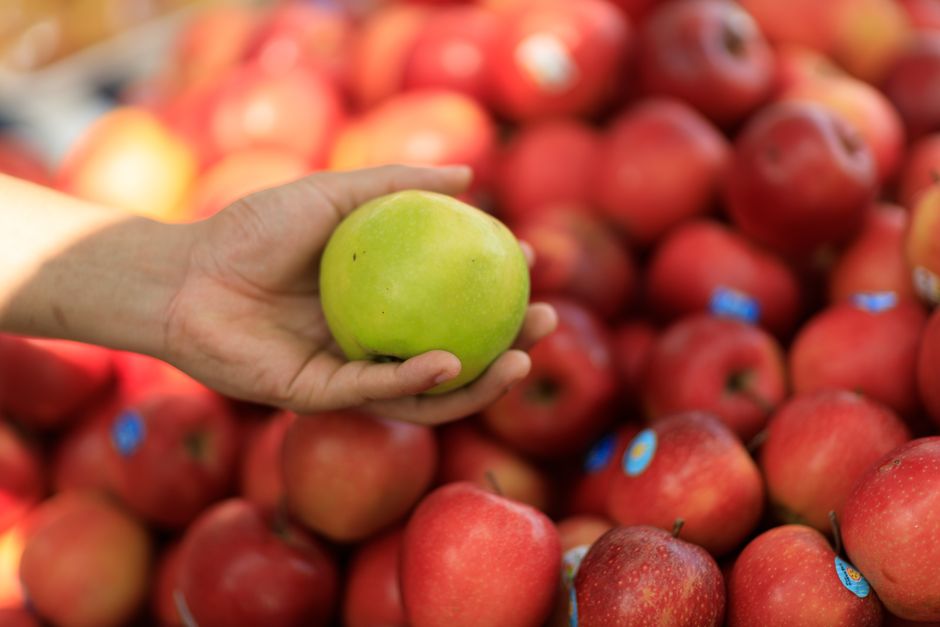
Apples are one of the most common fruits eaten in the United States, and many people reach for one when their stomach feels off. The short answer is yes, apples help with digestion, but not for the reasons most viral health posts claim. They work through a specific combination of fiber types and natural compounds that support the gut in ways that are backed by real research. Let’s look at what the evidence actually says.
What Makes Apples Different for Digestion?
Apples contain two types of fiber that work differently in your digestive system. Soluble fiber, mainly pectin, dissolves in water and forms a gel-like substance. Insoluble fiber does not dissolve and adds bulk to stool. Most fruits have one or the other. Apples have both.
The pectin in apples is unique because it ferments slowly in the colon. This slow fermentation feeds beneficial gut bacteria without causing the gas and bloating that other high-fiber foods can trigger. Research published in the journal Nutrients found that apple pectin specifically increases levels of Faecalibacterium prausnitzii, a bacterium linked to lower inflammation in the gut.
One medium apple with the skin on provides about 4.4 grams of fiber. That is roughly 15 percent of the daily recommended intake for adults. The skin contains most of the insoluble fiber, so peeling the apple removes much of the digestive benefit.
Does Apples Help with Digestion Through Pectin Alone?
Pectin is the star compound, but it is not the whole story. Apples also contain polyphenols, which are plant compounds that act as prebiotics. Prebiotics are food for the good bacteria already living in your gut. When gut bacteria digest these polyphenols, they produce short-chain fatty acids like butyrate.
Butyrate is the primary fuel source for the cells lining your colon. A 2019 study in Food & Function showed that apple polyphenols increased butyrate production in human gut models by over 30 percent. This matters because a healthy colon lining is essential for regular bowel movements and preventing inflammation.
The combination of pectin and polyphenols creates a one-two punch. The pectin slows digestion in the stomach, which helps regulate blood sugar. The polyphenols then feed the bacteria further down. Most fiber supplements only provide the first part. Whole apples provide both.
What Does Research on Apples and Gut Health Actually Show?
Several clinical trials have looked at apples and digestion specifically. One study from 2020 in BMC Gastroenterology followed adults with mild constipation who ate two medium apples daily for four weeks. Participants reported a 25 percent increase in bowel movement frequency compared to a control group that ate a sugar-matched apple puree with the fiber removed.
Another study looked at apple consumption in people with irritable bowel syndrome. The results were more mixed. Some participants felt better, while others reported increased bloating. This suggests that for people with sensitive guts, the type of apple and how it is prepared matters.
The table below compares how different apple forms affect digestion based on current evidence:
| Apple Form | Fiber Content | Digestive Effect |
|---|---|---|
| Whole apple with skin | 4.4 g | Best for regularity and gut bacteria |
| Peeled apple | 2.1 g | Less fiber, easier on sensitive stomachs |
| Apple juice | 0.2 g | Minimal digestive benefit, high sugar |
| Apple sauce | 1.5 g | Some pectin remains, but less fiber |
| Dried apple | 7.2 g per cup | Very high fiber, can cause bloating |




Can Apples Help with Diarrhea or Constipation?
Apples can help with both, but the mechanism is different for each. For constipation, the insoluble fiber in the skin adds bulk to stool and helps it move through the colon faster. The pectin also draws water into the bowel, which softens stool. This is why many people find that eating an apple with a glass of water works as a mild natural laxative.
For diarrhea, the pectin in apples acts differently. It absorbs excess fluid in the gut and can help firm up loose stools. This is the basis for the old recommendation of eating applesauce when sick. The pectin binds to water and toxins in the gut and helps move them out more slowly.
The key difference is preparation. For constipation, eat the whole apple with the skin. For diarrhea, peeled apples or unsweetened applesauce are better because the insoluble fiber in the skin could aggravate symptoms. Some people report that cooked apples are even gentler on an upset stomach, though strong evidence for this is limited.
What Are the Side Effects of Eating Apples for Digestion?
Apples are safe for most people, but they are not risk-free. The most common side effect is bloating and gas. This happens because the pectin and polyphenols ferment in the colon. For someone not used to high-fiber foods, even one apple can cause noticeable discomfort.
People with fructose malabsorption may have trouble with apples. Apples contain a mix of fructose and glucose in a ratio that is difficult for some to absorb. Symptoms include gas, cramping, and diarrhea. This is not the same as a food allergy, but it can be uncomfortable. A 2018 review in Clinical Gastroenterology noted that about one in three people with IBS have some degree of fructose malabsorption.
Another issue is the sugar content. One medium apple has about 19 grams of sugar. For someone with diabetes or insulin resistance, eating an apple alone without protein or fat can spike blood sugar. The fiber helps slow this down, but it does not eliminate the effect. Pairing an apple with nuts or cheese can help.
How to Get the Most Digestive Benefit from Apples
Eat the apple whole and raw. Cooking apples breaks down some of the pectin, which reduces its ability to form the gel that helps with stool formation. Raw apples also retain more polyphenols. One study found that baking apples reduced polyphenol content by nearly 40 percent.
Chew thoroughly. Digestion starts in the mouth. The mechanical breakdown of apple cells releases more of the fiber and polyphenols for your gut bacteria to use. Swallowing large chunks means more work for your stomach and less benefit for your colon.
Start slow if you are not used to fiber. One apple per day is enough for most people. Jumping to three or four apples daily can cause cramping and diarrhea. The body needs time to adjust the gut bacteria population to handle the increased fiber load. Give it at least a week before increasing the amount.
- Choose organic if possible to avoid pesticide residue on the skin
- Wash apples thoroughly even if organic
- Store apples at room temperature for better nutrient retention
- Eat apples earlier in the day to avoid late-night bloating
Common Misconceptions About Apples and Digestion
The phrase “an apple a day keeps the doctor away” is not based on any clinical trial. It originated in Wales in the 1800s and was a marketing slogan. That said, the fiber and polyphenol content are real, and regular apple consumption is associated with lower risk of several digestive conditions in observational studies.
Some viral health claims suggest that apple seeds are beneficial for digestion because they contain amygdalin. This is dangerous. Apple seeds contain a compound that can release cyanide when crushed or chewed. Swallowing a few whole seeds is harmless because the hard shell passes through undigested. But chewing them or blending them into smoothies is not recommended. The CDC has reported cases of cyanide poisoning from large amounts of crushed apple seeds.
Apple cider vinegar is often lumped into the same category as whole apples for digestion. They are not the same. The fermentation process destroys most of the pectin and polyphenols. Some people report that apple cider vinegar helps with acid reflux, but strong clinical evidence is lacking. It does not provide the same gut bacteria benefits as eating a whole apple.
Frequently Asked Questions
Does eating an apple on an empty stomach help digestion?
It can, because the fiber and pectin work immediately in the stomach. But it may cause bloating in sensitive people.
How many apples should I eat per day for better digestion?
One medium apple per day is enough to see digestive benefits for most people.
Are green apples or red apples better for digestion?
Green apples have slightly more fiber and less sugar, but the difference is small. Both work.
Can apples cause constipation instead of helping it?
Rarely, but if you eat apples without enough water, the fiber can bind and slow things down.
