
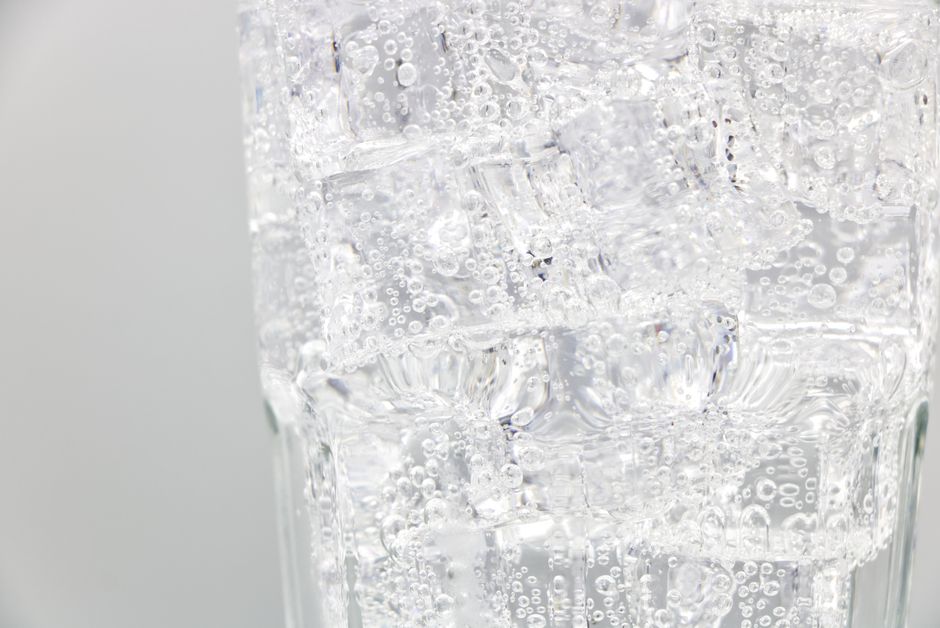
Sparkling water does not directly improve digestion for most people, but it can help with specific issues like constipation and indigestion in some cases. The carbonation in sparkling water may stimulate digestion by encouraging stomach acid production and promoting bowel movements. However, the evidence is mixed, and for some people, carbonation can cause bloating or discomfort. Here is what the research actually says about sparkling water and digestion.
What Is Sparkling Water and How Does It Affect Your Stomach?
Sparkling water is water with carbon dioxide gas added under pressure. This creates bubbles and gives it a fizzy feel. When you drink it, the gas enters your stomach and can cause burping or a feeling of fullness.
Some people report that the bubbles help them feel less bloated after a heavy meal. The reasoning is that burping releases trapped gas in the upper digestive tract. But there is no strong evidence that this helps everyone. The effect depends on your body and what you ate.
Research published in the journal Digestive Diseases and Sciences found that carbonated beverages can increase stomach acid production. More acid can help break down food faster. But for people with acid reflux or heartburn, more acid can make symptoms worse.
So sparkling water is not a one-size-fits-all solution. It helps some people and hurts others.
Does Research Show That Sparkling Water Help Digestion?
A small but notable study from 2002 looked at people with indigestion or constipation. Participants drank sparkling water for 15 days. The results showed that sparkling water improved digestion symptoms and reduced constipation compared to regular tap water.
Another study in 2014 examined people who had experienced a stroke and had chronic constipation. Those who drank sparkling water had more bowel movements than those who drank tap water. The researchers concluded that carbonated water may stimulate the nerves in the digestive tract.
But these studies are small. Larger, more recent studies are limited. The evidence is not strong enough to say that sparkling water helps digestion for everyone. It seems to help some people with specific issues like slow bowel movements or mild indigestion.
One non-obvious point: the type of sparkling water matters. Plain sparkling water with no added sugars or artificial sweeteners is what these studies used. Flavored sparkling waters with sweeteners or acids may have different effects on digestion.
Can Sparkling Water Cause Bloating or Gas?
Yes, for many people, sparkling water can cause bloating and gas. The carbon dioxide gas builds up in your stomach and intestines. This can make you feel uncomfortably full or cause you to burp more than usual.
People with irritable bowel syndrome (IBS) or sensitive stomachs often report that carbonated drinks make their symptoms worse. A 2017 review in Nutrients noted that carbonated beverages can increase abdominal distension in people with digestive sensitivities.
If you are prone to bloating, sparkling water may not be the best choice. Still, some people find that the burping actually relieves their bloating. It is a very individual response.
The table below summarizes the main differences between sparkling water and still water for digestion:
| Factor | Sparkling Water | Still Water |
|---|---|---|
| Bloating risk | Higher for sensitive stomachs | Very low |
| Constipation relief | Some evidence it helps | No direct effect |
| Acid reflux risk | May worsen symptoms | Generally safe |
| Hydration | Same as still water | Same as sparkling |
| Calories | Zero if plain | Zero |
-
 Does Hot Water Help Digestion? Everything You Need to Know
 -
Does Hot Water Help with Digestion? Here’s What to Know
-
Are Eggs Good for Gut Health? How They Affect Digestion and Bloating
-
How Long Does Digestion Take? Everything You Need to Know
-
Finessa Reviews & Complaints 2026: Helps In Gut & Digestion?





Does Sparkling Water Help with Constipation?
There is some evidence that sparkling water can help with constipation. The 2002 study mentioned earlier found that people with constipation who drank sparkling water had more bowel movements. A 2015 study in the Journal of Neurogastroenterology and Motility also found that carbonated water improved constipation in people with Parkinson’s disease.
The proposed mechanism is that carbon dioxide may stimulate the nerves in the colon. This can increase muscle contractions that push stool through the intestines. It is not a powerful laxative, but it may offer mild relief.
If you have occasional constipation, drinking a glass of plain sparkling water could be worth trying. But if you have chronic constipation, you should see a doctor rather than relying on fizzy water alone.
Here are some practical tips if you want to try sparkling water for digestion:
- Start with plain sparkling water. Avoid added sugars, syrups, or artificial sweeteners.
- Drink it slowly. Gulping can introduce extra air and worsen bloating.
- Try it after a meal. Some people find it helps with feeling too full.
- Stop if you feel uncomfortable. Listen to your body.
- Do not replace all your water with sparkling water. Your body needs plain water too.
What About Sparkling Water and Acid Reflux or Heartburn?
Sparkling water can make acid reflux worse for some people. The carbonation increases pressure in the stomach. This can push stomach acid up into the esophagus, causing heartburn or regurgitation.
A 2012 study in Diseases of the Esophagus found that carbonated drinks relaxed the lower esophageal sphincter. That is the muscle that keeps stomach acid where it belongs. When it relaxes, acid can escape more easily.
If you have gastroesophageal reflux disease (GERD) or frequent heartburn, sparkling water is probably not a good choice. Still water or herbal tea would be safer options.
However, some people with mild reflux report that sparkling water actually helps them burp and release pressure. Again, it is individual. If you have reflux, test it carefully and stop if symptoms worsen.
What Are the Common Misconceptions About Sparkling Water and Digestion?
One common myth is that sparkling water dehydrates you. That is false. Sparkling water hydrates just as well as still water. The carbonation does not affect how your body absorbs the water.
Another misconception is that sparkling water is bad for your bones. This comes from old research on cola drinks, not sparkling water. Cola contains phosphoric acid, which can affect bone health. Plain sparkling water does not contain phosphoric acid. The CDC and other health agencies confirm that carbonated water has no negative effect on bone density.
Some people believe that sparkling water is always healthier than soda. That is true only if you drink plain sparkling water. Many flavored sparkling waters contain citric acid, which can erode tooth enamel over time. They may also have added sugars or artificial sweeteners that affect digestion differently.
Finally, there is a claim that sparkling water can cure indigestion. That is overhyped. It may help some people feel better temporarily, but it is not a treatment for any digestive condition. If you have ongoing digestive issues, see a doctor.
Frequently Asked Questions
Does sparkling water help with bloating after eating?
It can help some people by encouraging burping to release trapped gas. But for others it makes bloating worse.
Is sparkling water better than still water for digestion?
Not for most people. Still water is safer and does not cause gas or reflux issues.
Can sparkling water cause stomach problems?
Yes, it can cause bloating, gas, and worsen acid reflux in sensitive individuals.
How much sparkling water is safe to drink daily?
One to two glasses per day is fine for most healthy adults. More than that may cause discomfort.
