
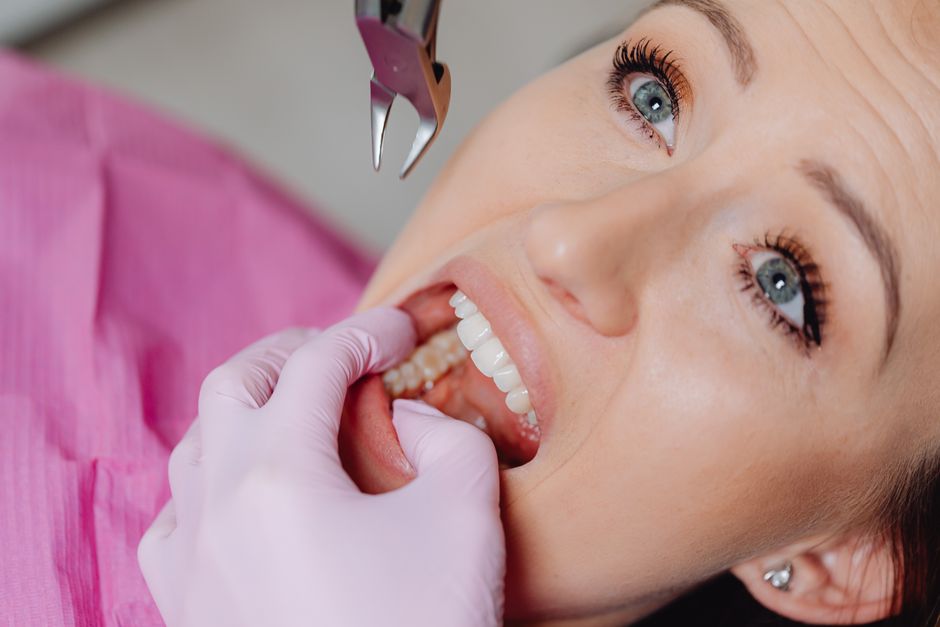
Yes, you can get a tooth pulled while pregnant. A tooth extraction is not automatically off the table just because you are expecting. When a dental infection or a badly damaged tooth needs treatment, delaying care can sometimes create more risk than the procedure itself. The key is timing, coordination between your dentist and your prenatal provider, and using the right medications and imaging safety measures.
That said, “possible” is not the same as “always the best first move.” Some extractions can wait until after delivery. Others should not wait at all. The decision depends on why the tooth needs to come out, how far along you are, and how your pregnancy is progressing.
Can You Get a Tooth Pulled While Pregnant?
Dental treatment during pregnancy is considered safe and is generally encouraged when it is needed. Major dental and obstetric organizations have long held that prevention, diagnosis, and treatment of oral conditions — including necessary extractions — should not be delayed because of pregnancy.
The more useful question is not whether it can be done, but whether it should be done now. That answer depends on the tooth.
A tooth with a severe infection, a fractured root, or damage that cannot be repaired often needs to come out regardless of pregnancy. Leaving a serious infection untreated carries its own risks, including pain, spread of infection, and difficulty eating or sleeping. Those problems do not pause for nine months.
On the other hand, a tooth that is only mildly problematic — a small cavity that could be filled, or a tooth that is not causing pain or infection — can often wait. In those cases, many dentists prefer to delay elective work until after delivery.
Why Timing Matters During Pregnancy
The second trimester is often the preferred window for non-urgent dental procedures. By this point, the major organs of the fetus have formed, nausea tends to ease for many people, and lying back in a dental chair is more comfortable than it will be later. The third trimester brings its own challenges: a larger belly, more difficulty reclining for long periods, and a higher chance of feeling lightheaded when lying flat.
The first trimester is a time of active organ development. Many clinicians avoid elective procedures during this window as a precaution, even though there is no strong evidence that routine dental work causes harm. The caution is about minimizing any avoidable exposure during a sensitive developmental period, not about a proven danger.
This is why the same procedure can be “let’s do it this week” in one pregnancy and “let’s wait until after you deliver” in another. It is not arbitrary. It reflects a real trade-off between treating a problem now and postponing anything that can safely wait.
Is Local Anesthetic Safe During a Tooth Extraction?
Local anesthetics used in dentistry, including lidocaine, are considered safe for use during pregnancy. This is one of the better-established points in prenatal dental care. The amount used for a single extraction is small and stays largely in the local area.
Some dentists use a version without epinephrine, a common additive that narrows blood vessels and helps the anesthetic last longer. The concern with epinephrine is largely theoretical, and many clinicians use it without issue. If you have questions, ask what will be used and why.
Pain control matters for its own reasons. Untreated pain raises stress hormones and can interfere with sleep and eating. Managing pain well is part of managing the pregnancy well.





Are Dental X-Rays Safe While Pregnant?
Dental X-rays use very low levels of radiation, and with proper shielding — a lead apron and thyroid collar — the exposure to the fetus is extremely small. The American Dental Association and the American College of Obstetricians and Gynecologists have both supported the use of necessary dental imaging during pregnancy when it is needed for diagnosis.
That said, X-rays are not taken for their own sake. If the tooth is already clearly non-restorable, or if the diagnosis is obvious from a visual exam, your dentist may not need new images at all. When imaging is needed, the shielding and the low dose keep the risk minimal.
If you are unsure, ask whether the X-ray is truly necessary for the decision at hand. That is a fair question in any pregnancy.
What About Pain Medications and Antibiotics After Extraction?
Pain management after an extraction requires some care during pregnancy, and this is where you should not guess.
Acetaminophen is generally considered the first-line pain reliever during pregnancy. Ibuprofen and other nonsteroidal anti-inflammatory drugs are typically avoided, especially in the third trimester, because of concerns about fetal circulation and other effects. Aspirin is also generally avoided unless a doctor specifically recommends it for another reason.
If an infection is present, antibiotics may be needed. Several antibiotics are considered safe in pregnancy, and others are not. Your dentist and your prenatal provider should agree on which one is appropriate for you.
Do not start, stop, or change any medication during pregnancy without checking with your prenatal provider. This includes over-the-counter pain relievers you may have taken without a second thought before you were pregnant.
What Are the Risks of Waiting Too Long?
The risks of leaving a serious dental problem untreated are real and often underestimated. An untreated infection can spread, cause significant pain, and in rare cases lead to more serious complications. Poor oral health has also been linked in research to pregnancy outcomes such as preterm birth and low birth weight, though the exact relationship is still being studied and is not fully settled.
What is clearer is this: a person in pain, unable to eat properly, and losing sleep is not in a good position to support a healthy pregnancy. Treating a genuine dental emergency is often the more conservative choice, not the riskier one.
The flip side is also true. Procedures that are not urgent can reasonably wait. The goal is not to do everything or to do nothing — it is to do what is actually needed, when it is actually needed.
How to Prepare for a Tooth Extraction While Pregnant
A little coordination goes a long way. Before the appointment, let both your dentist and your prenatal provider know about each other. A short conversation between them can settle questions about medications and timing.
- Tell your dentist how far along you are and any pregnancy complications.
- Ask which anesthetic and pain reliever will be used, and confirm they are appropriate for your stage of pregnancy.
- Ask whether the procedure is urgent or whether it can safely wait.
- Arrange a ride home if you will be sedated or feel unsteady afterward.
- Bring a list of every medication and supplement you take.
If you feel pressured to have a procedure you are unsure about, or pressured to delay one that is clearly needed, it is reasonable to ask for a second opinion. Both directions carry trade-offs, and you deserve a clear explanation of them.
When Should You Call Your Provider?
Contact your prenatal provider or dentist promptly if you have severe or worsening tooth pain, facial swelling, a fever, difficulty swallowing or breathing, or a bad taste or discharge around a tooth. These can be signs of a spreading infection that should not wait.
Mild, stable discomfort that has been present for a while is usually less urgent, but it is still worth a call. Dental problems rarely improve on their own, and pregnancy is a reasonable time to get a clear plan rather than put it off.
Frequently Asked Questions
Can you get a tooth pulled while pregnant?
Yes, a tooth extraction can be performed during pregnancy when it is medically necessary. Most clinicians prefer to schedule non-urgent extractions during the second trimester, but urgent cases may be handled at any stage.
Is it safe to have a tooth removed in the first trimester?
Dental treatment is not prohibited in the first trimester, though many clinicians avoid elective procedures during this period as a precaution. If the tooth is infected or causing severe pain, treatment is often still recommended.
Can I take pain medication after a tooth extraction while pregnant?
Acetaminophen is generally considered the first-line pain reliever during pregnancy, while ibuprofen and aspirin are usually avoided. Always confirm with your prenatal provider before taking any medication.
Can a tooth extraction cause a miscarriage?
There is no established evidence that a properly performed tooth extraction causes miscarriage. Untreated dental infection, by contrast, is a recognized concern, which is why necessary treatment is generally encouraged.
