
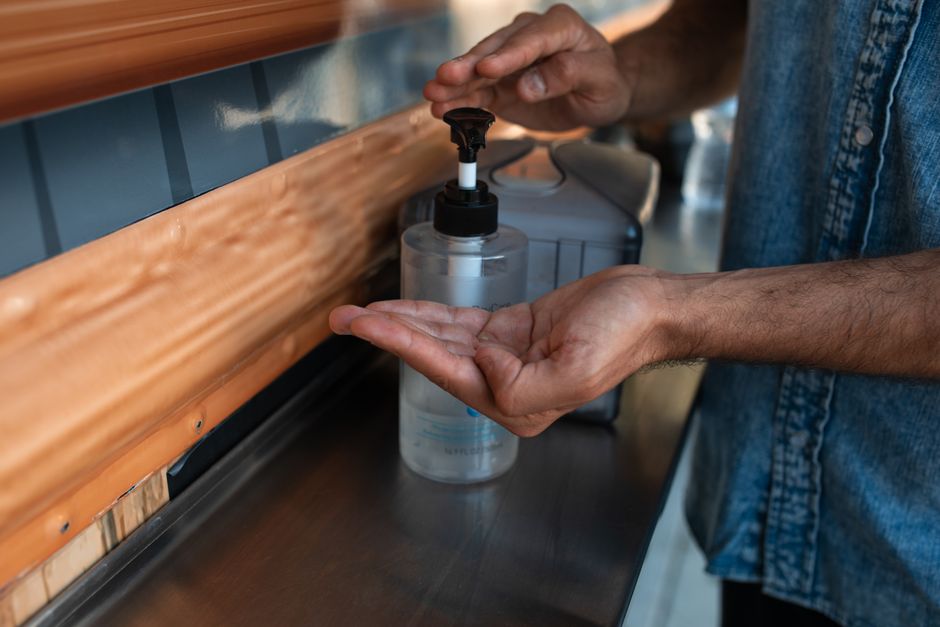
Rubbing alcohol strips oil from your hair and scalp fast, and that is exactly why it can cause problems. It is isopropyl alcohol — the same liquid sold for disinfecting cuts and cleaning surfaces. Applied to hair, it removes sebum, the natural oil that coats and protects each strand. A one-time swipe may leave hair feeling squeaky clean. Repeated use tends to leave it dry, brittle, and more prone to breakage. It is not a hair care product, and no clinical evidence supports using it as one.
What Is Rubbing Alcohol and Why Do People Put It on Hair?
Rubbing alcohol is a clear liquid, usually 70 percent isopropyl alcohol by volume, sometimes 91 percent. It evaporates quickly and dissolves oils and grease. Those properties make it useful for cleaning minor wounds and hard surfaces.
People apply it to hair for a few reasons. Some use it to cut through heavy product buildup from gels, pomades, or dry shampoo. Others have read that it dries out an oily scalp. A smaller group uses it hoping to remove dandruff flakes or treat an itchy scalp.
The logic behind these uses is easy to follow. Alcohol dissolves oil. Hair and scalp problems often involve oil. So alcohol should help. That reasoning breaks down because sebum is not just unwanted grease. It is part of how your scalp and hair stay healthy.
What Does Rubbing Alcohol Do To Your Hair?
It removes the oil layer that protects your hair. Sebum, produced by sebaceous glands attached to hair follicles, coats the hair shaft and helps it hold moisture. When alcohol dissolves that coating, the hair loses its main barrier against water loss.
Hair is mostly protein — keratin — arranged in overlapping layers called the cuticle. A healthy cuticle lies flat and keeps moisture inside. When hair dries out, the cuticle can lift and crack. The result is rough texture, split ends, and strands that snap instead of stretching.
Isopropyl alcohol does not just sit on the surface. It penetrates and pulls water out of the hair shaft as it evaporates. This is why hair can feel straw-like within minutes of application.
One detail worth knowing: hair is not living tissue. The part you see above your scalp is already dead. So damage from alcohol cannot be repaired by the strand itself. Once the cuticle is compromised, it stays compromised until that hair falls out or is cut off.
What Does Rubbing Alcohol Do To Your Scalp?
It disrupts the scalp’s barrier and can trigger irritation. Your scalp, like the rest of your skin, has a thin outer layer that holds in moisture and keeps out irritants. Alcohol strips lipids from this layer.
Short-term effects can include dryness, tightness, and itching. For people with sensitive skin or conditions like eczema or seborrheic dermatitis, alcohol can make existing irritation worse. It may sting on scalps that already have broken skin or active inflammation.
There is a common belief that drying out an oily scalp reduces oil production. The opposite tends to happen. When the scalp loses moisture, it can respond by producing more sebum to compensate. So the oily scalp someone was trying to fix may come back greasier.
Repeated alcohol use on the scalp can also disturb the skin’s normal balance of oils and microorganisms. That balance matters for scalp comfort and health.

Does Rubbing Alcohol Help With Dandruff or Oily Scalp?
No evidence supports using rubbing alcohol for dandruff. Dandruff is not simply a buildup of oil. It involves a mix of factors, including a common yeast that lives on most people’s scalps and how the skin responds to it.
Alcohol does not address that yeast or the underlying skin response. It may temporarily remove visible flakes, but it does not treat the cause. In some cases, the dryness and irritation it creates could make flaking worse.
For an oily scalp, alcohol offers short-term relief at best. It removes surface oil, but as noted, the scalp may respond by producing more. Proven approaches for oily scalp include washing regularly with a gentle shampoo, avoiding heavy products, and not over-scrubbing, which can also irritate skin.
If dandruff is persistent or accompanied by redness, scaling, or itching that does not improve, that is a reason to see a clinician. Several effective over-the-counter and prescription treatments exist. Rubbing alcohol is not one of them.
Can Rubbing Alcohol Remove Product Buildup or Hair Dye?
It can remove some product residue, but it is a harsh way to do it. Clarifying shampoos are made for this purpose. They use surfactants — the same type of cleansing agents in regular shampoo — to lift buildup without stripping the hair as aggressively as pure alcohol.
Some people use alcohol to try to fade or remove hair dye. It may lighten color slightly by removing surface pigment, but it will not reliably remove dye that has penetrated the hair shaft. Permanent hair color works by entering the hair’s inner layers. Surface alcohol cannot reach it.
Trying to remove dye with alcohol risks damage without giving you the result you want. If you need to correct a color, a professional colorist has safer options.
How Does Rubbing Alcohol Compare to Other Alcohols in Hair Products?
Not all alcohols behave the same way in hair products. The word “alcohol” on a label covers a wide range of ingredients with very different effects. This is a common source of confusion.
| Type | Examples | Typical effect on hair |
|---|---|---|
| Simple alcohols | Isopropyl alcohol, ethanol, SD alcohol | Dissolve oil, evaporate fast, can dry and irritate |
| Fatty alcohols | Cetyl, stearyl, cetearyl alcohol | Condition, soften, help hold moisture |
| PEGylated alcohols | Ingredients starting with PEG- | Mix oil and water, generally mild |
Fatty alcohols are waxy solids, not liquids. They are used in conditioners and creams because they help smooth the hair and reduce moisture loss. Seeing “cetyl alcohol” or “cetearyl alcohol” on a conditioner label is not the same as seeing rubbing alcohol. They do not dry out hair.
This distinction matters because some people avoid any product containing “alcohol” out of concern it will be drying. That is not accurate for fatty alcohols.
What Are the Risks of Using Rubbing Alcohol on Hair?
The main risks are dryness, breakage, and scalp irritation. These are more likely with repeated use or with higher concentrations like 91 percent.
- Dryness and brittleness: Loss of the oil coating and moisture leaves hair rough and prone to snapping.
- Split ends and breakage: A lifted, cracked cuticle weakens the strand.
- Scalp irritation: Redness, itching, stinging, or flaking, especially on sensitive skin.
- Worsened oiliness: The scalp may produce more oil in response to dryness.
- Color fading: Alcohol can dull or fade color-treated hair over time.
- Flammability: Rubbing alcohol is highly flammable. Keep it away from heat, sparks, and open flames, including hair dryers and flat irons that are still hot.
Rubbing alcohol is also toxic if swallowed and dangerous if it gets in the eyes. It should be stored out of reach of children.
What Should You Use Instead?
For most hair and scalp concerns, gentler and better-studied options exist. The right choice depends on what you are trying to fix.
- For product buildup: Use a clarifying shampoo once a week or as needed.
- For an oily scalp: Wash with a gentle shampoo at a frequency that works for you, and avoid heavy styling products near the roots.
- For dandruff: Look for shampoos containing ingredients like zinc pyrithione, selenium sulfide, ketoconazole, or salicylic acid. These have evidence behind them.
- For dry or damaged hair: Use a conditioner, and consider limiting heat styling.
- For an irritated scalp: See a clinician if it does not improve with gentle care.
If you have already used rubbing alcohol on your hair and it feels dry, the damage to the existing strand cannot be reversed. You can reduce further harm by stopping the alcohol, deep conditioning, and trimming split ends. New hair will grow in from the follicle, which was not affected by surface alcohol.
When Should You Talk to a Doctor or Dermatologist?
See a clinician if scalp symptoms are persistent, painful, or getting worse. Warning signs include redness that spreads, open sores, significant hair loss, or itching that disrupts sleep.
Sudden or patchy hair loss, scaling that does not respond to dandruff shampoo, or a scalp rash that oozes or crusts all warrant a professional look. These can have several causes, and identifying the right one matters for treatment.
If you have a known skin condition like eczema, psoriasis, or seborrheic dermatitis, ask before applying anything new to your scalp, including alcohol.
Frequently Asked Questions
Is it safe to put rubbing alcohol on your hair?
No clinical evidence supports using rubbing alcohol on hair, and it can cause dryness, breakage, and scalp irritation. Occasional use is unlikely to cause lasting harm, but repeated use is not recommended.
Does rubbing alcohol help with dandruff?
No. Dandruff involves factors like a common scalp yeast and the skin’s response to it, which alcohol does not address. It may temporarily remove flakes but can worsen dryness and irritation.
Can rubbing alcohol remove hair dye?
It may slightly lighten color by removing surface pigment, but it cannot reliably remove dye that has penetrated the hair shaft. Attempting this risks damage without giving a predictable result.
How do you fix hair damaged by rubbing alcohol?
Damage to the existing strand cannot be reversed, so focus on stopping use, deep conditioning, and trimming split ends. New hair grows in unaffected because the follicle itself is not damaged by surface alcohol.
