
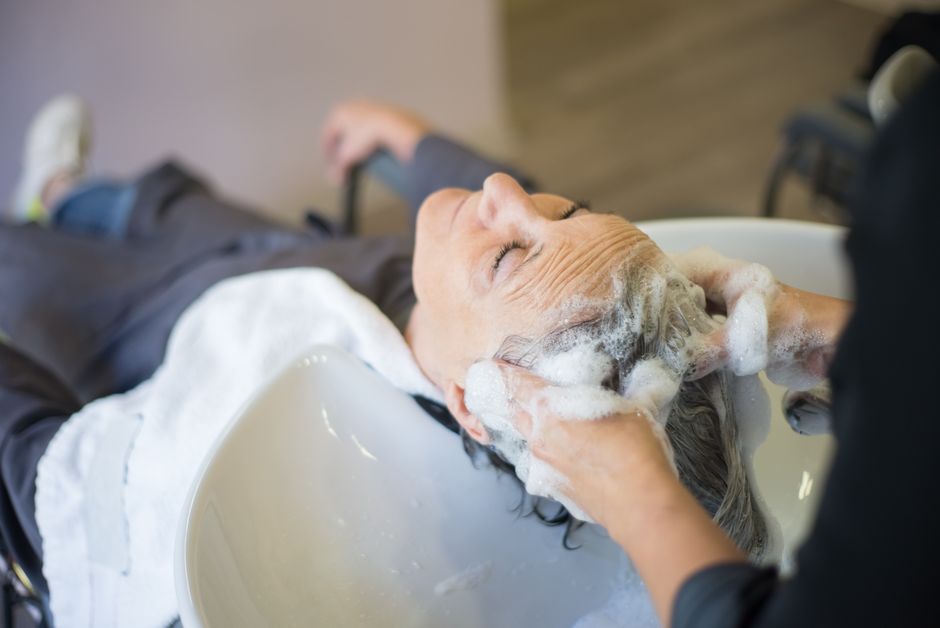
Hair loss in women is common, and the shampoo you choose matters less than you might think. No shampoo can cure pattern baldness, but some can help manage scalp conditions that contribute to shedding, and others simply make thinning hair look fuller. The best choice depends on what is causing your hair loss, and for many women, that cause is a treatable scalp issue rather than genetics.
What Actually Causes Hair Loss in Women?
Female hair loss has several distinct causes, and the right shampoo depends on identifying yours. The most common is androgenetic alopecia, also known as female pattern hair loss. This is genetic and affects roughly one in three women by age 50. It typically causes thinning at the crown and widening of the center part, rather than a receding hairline like in men.
Telogen effluvium is the second most common cause. This is a temporary shedding that happens two to three months after a physical or emotional stressor. Major surgery, rapid weight loss, childbirth, high fever, or severe emotional stress can push hair follicles into a resting phase, causing diffuse shedding across the entire scalp. This type of hair loss usually resolves on its own within six to nine months as the hair cycle recovers.
Other causes include thyroid disorders, iron deficiency, and autoimmune conditions like alopecia areata. If your hair loss came on suddenly, is patchy, or is accompanied by other symptoms like fatigue or brittle nails, see a doctor before spending money on shampoo. Blood tests can check thyroid function, ferritin (iron stores), and vitamin D levels.
Can a Shampoo Actually Stop Hair Loss?
Shampoo is a cleansing product, not a medication. It stays on your scalp for a few minutes before being rinsed away. That limits what it can do. No shampoo has been shown to regrow hair on a balding scalp in large clinical trials.
What shampoo can do is treat the scalp environment. If you have seborrheic dermatitis, which causes flaking, itching, and redness, the inflammation can contribute to hair shedding. Treating that condition with a medicated shampoo can reduce inflammation and allow hair to grow normally again. In this case, the shampoo is not treating hair loss directly — it is treating the skin condition that was causing it.
Some shampoos contain ingredients like ketoconazole, which has some evidence of benefit for hair loss due to its anti-inflammatory and mild anti-androgen effects. But the evidence is modest, and it is not a first-line treatment. Minoxidil, the only topical medication proven to regrow hair in women, works far better as a leave-on foam or solution than as a shampoo ingredient.
What Is the Best Shampoo for Hair Loss in Women?
For most women, the best shampoo is one that treats the underlying scalp condition without damaging fragile hair. If you have visible flakes and an itchy scalp, a shampoo with ketoconazole 1% or 2%, zinc pyrithione, or selenium sulfide is a reasonable choice. These are available over the counter and treat seborrheic dermatitis effectively.
If you do not have a scalp condition, look for a gentle, sulfate-free shampoo designed for thinning hair. Sulfates are strong detergents that can strip natural oils, and while they do not cause hair loss, they can make fragile thinning hair more prone to breakage. A gentle cleanser preserves what hair you have.
Shampoos marketed for “hair growth” often contain caffeine, biotin, or botanical extracts. Caffeine has shown some effect on hair follicles in laboratory studies, but no large human trial confirms that a caffeine shampoo regrows hair. Biotin deficiency does cause hair loss, but true biotin deficiency is rare, and supplementing biotin does not help women with normal levels. These products are not harmful, but their claims outpace their evidence.
If your hair loss is genetic, no shampoo will reverse it. The proven treatments are minoxidil 2% or 5% applied directly to the scalp, and in some cases oral medications prescribed by a dermatologist. Shampoo can complement these treatments by keeping the scalp healthy, but it cannot replace them.



Key Ingredients to Look For and Avoid
Look for shampoos that address a specific problem. If dandruff is present, ketoconazole and zinc pyrithione are the most studied ingredients. If your hair is fragile and breaking, look for a product labeled “sulfate-free” and one that contains conditioning agents like panthenol or glycerin.
Avoid shampoos that promise dramatic regrowth. The marketing language is not backed by evidence. Also avoid products with high alcohol content, which can dry the scalp and make hair more brittle. Fragrance is a common irritant; if your scalp is sensitive, a fragrance-free formula is a safer choice.
Be wary of shampoos that claim to “block DHT.” DHT, or dihydrotestosterone, is the hormone that shrinks hair follicles in genetic hair loss. While some shampoo ingredients like saw palmetto or ketoconazole have weak anti-DHT effects in laboratory settings, the concentrations in shampoo are too low and the contact time too short to meaningfully affect hormone levels in the scalp. No clinical trial has confirmed that a shampoo reduces DHT enough to stop hair loss.
How to Use Shampoo for Thinning Hair
How you wash matters as much as what you use. Massage the shampoo into the scalp with your fingertips, not your nails. Nails can scratch the scalp and create small wounds that become infected. Rinse thoroughly — leftover product can irritate the scalp and weigh down hair.
Do not wash more than necessary. For most women, washing every other day or every two to three days is sufficient. Overwashing strips natural oils and can make hair look thinner and more brittle. If you exercise and sweat daily, rinsing with water on non-wash days is an acceptable alternative.
Conditioner should be applied to the mid-lengths and ends, not the scalp. Conditioning the scalp can clog hair follicles and contribute to buildup, which makes hair look flat and lifeless. If you use styling products, consider a clarifying shampoo once a week to remove buildup, but do not use it daily as it can be drying.
When to See a Doctor Instead of Buying Another Shampoo
See a dermatologist if your hair loss is sudden, patchy, or accompanied by scalp pain, redness, or scaling. Also see a doctor if you have been shedding for more than six months without improvement, or if you notice thinning that follows a clear pattern like widening of the part or loss of volume at the crown.
A dermatologist can perform a scalp biopsy, pull test, or blood work to identify the cause. Blood tests typically check thyroid stimulating hormone, ferritin, vitamin D, and sometimes testosterone or DHEA-S. If a deficiency is found, correcting it can stop the hair loss. If female pattern hair loss is diagnosed, treatments like minoxidil or low-level laser therapy have better evidence than any shampoo.
Do not wait too long. In genetic hair loss, early treatment preserves more follicles. Once a follicle has shrunk and stopped producing hair, it is much harder to revive. If you have been losing hair for over a year, the sooner you get a diagnosis, the more options you have.
Frequently Asked Questions
Does biotin shampoo help with hair loss?
Biotin shampoo does not help hair loss unless you have a true biotin deficiency, which is rare. The evidence that topical biotin improves hair growth is very limited.
Can dandruff shampoo stop hair loss?
Yes, if the hair loss is caused by seborrheic dermatitis or scalp inflammation. Treating the dandruff reduces inflammation, and hair can regrow once the scalp is healthy.
Is sulfate-free shampoo better for thinning hair?
Generally yes, because sulfates can strip natural oils and make fragile hair more prone to breakage. Sulfate-free formulas are gentler and help preserve the hair you have.
How long before I see results from a hair loss shampoo?
If a shampoo is going to help, you typically need to use it for at least two to three months to see a difference. Visible regrowth takes longer and is not guaranteed.
