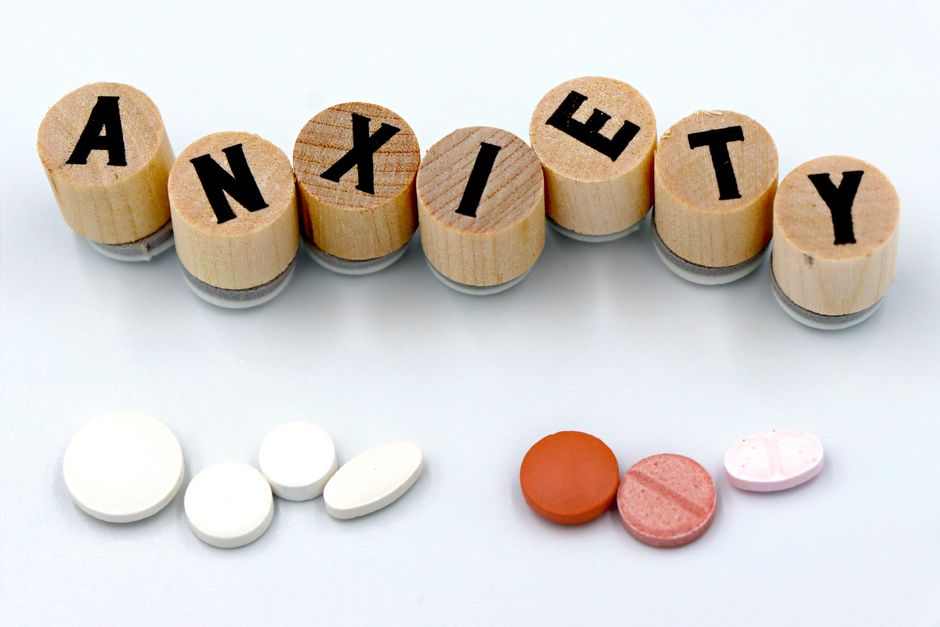
What Causes Anxiety? What Research Shows

causes anxiety

Anxiety is your brain’s natural alarm system responding to perceived threats, but it can become overactive due to genetics, brain chemistry imbalances, chronic stress, medical conditions, or lifestyle factors. When this alarm fires too often or too intensely without real danger, it may indicate an anxiety disorder. Understanding what triggers your specific anxiety helps you … Read more

How to Calm Anxiety? What Research Shows

calm anxiety

Anxiety can feel overwhelming when it hits but there are specific techniques backed by research that calm your nervous system within minutes. The most effective strategies include controlled breathing exercises that activate your parasympathetic nervous system, physical movement to burn off stress hormones like cortisol, and grounding techniques that interrupt anxious thought patterns. These methods … Read more

What Are the Anxiety Disorders? Causes and Treatment

anxiety

Anxiety is a natural emotional response to stress or perceived danger characterized by feelings of worry, nervousness, or unease. While occasional anxiety is a normal part of life, persistent or excessive anxiety that interferes with daily activities may indicate an anxiety disorder. Understanding the different forms anxiety takes helps people recognize when their worries have … Read more

How To Deal With Anxiety? Science Explained Simply With Data

How To Deal With Anxiety

Anxiety is your body’s normal response to stress, but when it becomes overwhelming, certain strategies can help you regain control. Research shows that a combination of breathing exercises, physical activity, cognitive techniques, and sometimes professional support offers the most reliable relief. You do not need to fix anxiety in one day — small, consistent steps … Read more

Is Magnesium Good For Sleep? Know The Scientific Truth

magnesium sleep

Magnesium does help many people sleep better, particularly those who are deficient in this essential mineral. Research shows magnesium regulates neurotransmitters that calm the nervous system and plays a direct role in melatonin production. While it is not a universal cure for insomnia, studies indicate supplementation can improve sleep quality in adults with low magnesium … Read more

Magnesium for Brain Health: Benefits, Dosage & Side Effects

Magnesium for brain health

Magnesium for brain health refers to the mineral’s role in supporting nerve signaling, sleep, stress regulation, and normal cognitive function. The brain uses magnesium to help regulate neurotransmitters, synaptic activity, and communication between nerve cells. Current research also suggests magnesium status may influence memory, mood, sleep quality, and age-related cognitive decline. A lot of wellness … Read more