
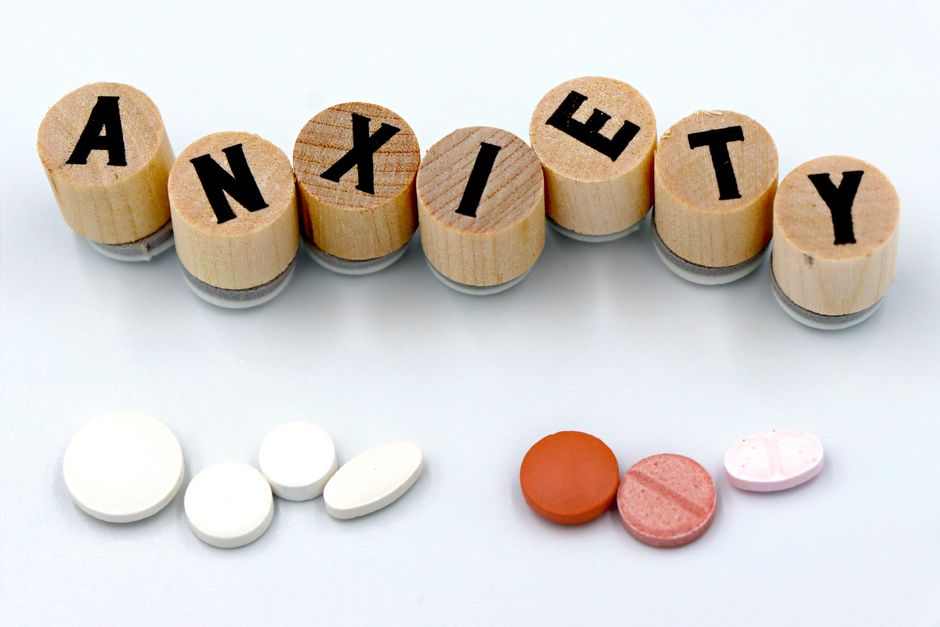
Zoloft is an antidepressant medication that is also commonly prescribed to treat anxiety. It belongs to a class of drugs called selective serotonin reuptake inhibitors, or SSRIs, which work by increasing the level of serotonin in the brain. For many people, this change can reduce the overwhelming feelings of worry and fear that come with several specific anxiety disorders.
What Is Zoloft And How Does It Work For Anxiety?
Zoloft, known generically as sertraline, is a prescription medication that was first approved by the FDA to treat depression. Over time, clinical trials and real-world use showed it is also effective for several anxiety disorders. It is now a first-line treatment for conditions like social anxiety disorder, panic disorder, and post-traumatic stress disorder (PTSD).
The drug works by blocking the reabsorption of serotonin in the brain. Serotonin is a neurotransmitter, a chemical that carries messages between nerve cells. When the brain recycles serotonin too quickly, levels drop. Zoloft stops this recycling process, leaving more serotonin available for the brain to use. This increase is thought to help improve mood and reduce anxiety signals.
The exact biological mechanism is more complex than just “more serotonin equals less anxiety.” The brain adapts to the higher serotonin levels over time, which likely explains why the full therapeutic effect takes weeks to appear. You do not feel the benefit immediately. The change happens gradually as your brain chemistry adjusts to the medication.
What Specific Anxiety Conditions Does Zoloft Treat?
Zoloft is FDA-approved for several specific anxiety-related conditions. It is not a general-purpose “calming pill” that works for every type of worry or stress. The distinction matters because situational stress, like a difficult week at work, responds differently than a diagnosed anxiety disorder.
The conditions Zoloft is approved to treat include:
- Social anxiety disorder — intense fear of being judged or embarrassed in social situations.
- Panic disorder — sudden, repeated episodes of intense fear accompanied by physical symptoms like a racing heart or shortness of breath.
- Post-traumatic stress disorder (PTSD) — persistent anxiety and intrusive thoughts following a traumatic event.
- Obsessive-compulsive disorder (OCD) — unwanted, recurring thoughts and repetitive behaviors.
Some doctors also prescribe Zoloft “off-label” for generalized anxiety disorder (GAD). Off-label means the FDA has not specifically approved the drug for that condition, but evidence from research and clinical experience supports its use. Many psychiatrists consider it a reasonable option for GAD, though the formal approval status differs from the other conditions listed.
How Long Does Zoloft Take To Work For Anxiety?
Zoloft does not work immediately. Most people begin to notice some change in their anxiety levels after two to four weeks of consistent daily use. The full benefit typically develops over six to eight weeks. This timeline is consistent across most SSRIs.
During the first week or two, some people actually feel a temporary increase in anxiety or restlessness. This is a known side effect that usually fades as the body adjusts. It can be unsettling, but it is not a sign the medication is failing. If the increase is severe or persistent, contact your doctor rather than stopping the medication on your own.
The dosage usually starts low and increases gradually. A typical starting dose for anxiety might be 25 mg per day, with increases every week or two based on how you respond. The goal is to find the lowest dose that controls symptoms with the fewest side effects. Never change your dose without speaking to your prescribing clinician first.





What Are The Common Side Effects Of Zoloft?
Like all medications, Zoloft has side effects. Most are most noticeable during the first few weeks and tend to improve over time. Not everyone experiences them, and many people find the side effects manageable.
Common side effects include:
- Nausea or digestive upset
- Headache
- Insomnia or drowsiness
- Dry mouth
- Increased sweating
- Sexual side effects, such as reduced libido or difficulty achieving orgasm
Sexual side effects are often the reason people stop taking the medication. They can persist for as long as you take the drug. If this is a concern, discuss it with your doctor. There are strategies and alternative medications that may help.
A serious but rare risk is serotonin syndrome, a condition caused by too much serotonin in the body. It can occur if Zoloft is combined with other medications that also raise serotonin, such as certain migraine drugs, other antidepressants, or St. John’s Wort. Symptoms include confusion, rapid heart rate, and muscle twitching. This requires immediate medical attention.
How Does Zoloft Compare To Other Anxiety Medications?
Zoloft is one of several SSRIs used for anxiety. Others include escitalopram (Lexapro), fluoxetine (Prozac), and paroxetine (Paxil). They work similarly but differ in how they are processed by the body and their specific side effect profiles. No single SSRI is clearly “the best” for everyone. The choice often comes down to individual response and side effects.
Benzodiazepines, such as Xanax or Valium, are a different class of medication. They work quickly, often within 30 minutes, and are used for short-term relief of severe anxiety. They are not usually recommended as a long-term daily treatment because they carry a risk of dependence and tolerance. Zoloft is taken daily and works slowly, but it does not carry the same addiction risk.
Some doctors may prescribe both together for a short period. The benzodiazepine provides immediate relief while the Zoloft builds up to a therapeutic level. Once the Zoloft is working, the benzodiazepine is gradually reduced and stopped. This is a common strategy but requires careful medical supervision.
What Should You Know Before Starting Zoloft?
Before starting Zoloft, tell your doctor about all other medications and supplements you take. This includes over-the-counter products and herbal remedies. Some combinations can be dangerous.
There is a well-documented risk of increased suicidal thoughts in children, adolescents, and young adults taking antidepressants. The FDA requires a boxed warning about this. For adults over 25, the risk is lower, and for adults over 65, the medication may actually reduce suicidal thoughts. This is a complex area, and the warning should be discussed openly with your doctor rather than ignored.
If you are pregnant, planning to become pregnant, or breastfeeding, discuss this with your doctor before starting Zoloft. The medication crosses the placenta and appears in breast milk. The decision to use it during pregnancy involves weighing the risks of untreated maternal anxiety against the potential risks of the medication. This is a highly individual decision that should be made with your obstetrician and mental health provider.
Stopping Zoloft also requires planning. Do not stop suddenly. Discontinuation syndrome can cause dizziness, nausea, and a feeling like electric shocks in the body. Your doctor can help you taper the dose gradually over several weeks or months.
Is Therapy A Better Option Than Medication?
For most anxiety disorders, the strongest evidence supports a combination of medication and therapy. Cognitive behavioral therapy, or CBT, has a large body of research showing it is effective for anxiety. It teaches practical skills for managing anxious thoughts and behaviors.
Medication can make therapy more effective for some people. When anxiety is overwhelming, it can be hard to engage in therapy or practice new skills. Zoloft may reduce the intensity of symptoms enough that a person can fully participate in treatment. For others, therapy alone is enough, and medication is not needed.
The choice depends on symptom severity, personal preference, and access to care. Some people prefer to try therapy first and add medication only if needed. Others find their anxiety is too disabling to wait and start medication immediately. Both approaches are valid. The key is making the decision with a qualified professional rather than trying to manage it alone.
Frequently Asked Questions
Is Zoloft the same as sertraline?
Yes. Zoloft is the brand name, and sertraline is the generic name for the same medication. They contain the exact same active ingredient and work identically.
Can Zoloft make anxiety worse before it gets better?
Some people experience a temporary increase in anxiety during the first one to two weeks of treatment. This side effect usually fades, but you should report it to your doctor if it feels severe.
Is Zoloft addictive?
Zoloft is not considered addictive in the way benzodiazepines or opioids are. It does not produce a high or cause cravings, but stopping it abruptly can cause withdrawal-like symptoms, so it should be tapered under medical supervision.
Can I drink alcohol while taking Zoloft?
Drinking alcohol while taking Zoloft is not recommended. Alcohol can worsen anxiety and depression and may increase the sedative effects of the medication.
