
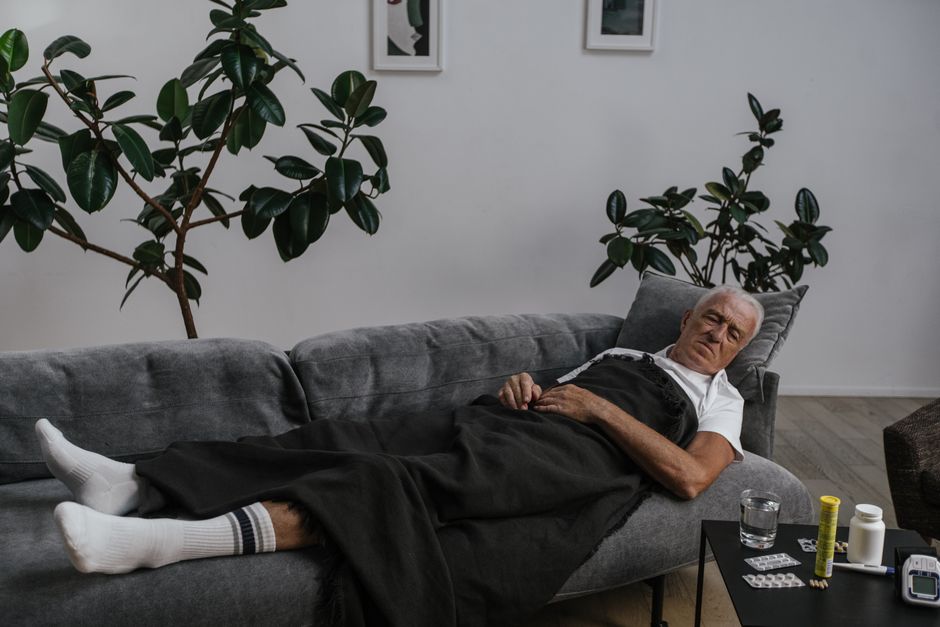
Being sick often makes it harder to sleep. Your body is fighting an infection, and that fight can disrupt your natural sleep rhythm. Congestion, fever, coughing, and body aches all make it difficult to fall asleep or stay asleep. The good news is that you can take steps to improve your rest while you are ill.
Why Does Being Sick Make It Hard to Sleep?
When you get sick, your immune system releases chemicals called cytokines. These help fight infection but also promote sleepiness and fever. Sounds counterintuitive, right? You feel exhausted but cannot actually sleep well. The reason is that sickness also triggers inflammation in your airways and sinuses. This leads to congestion, a runny nose, and a cough. Lying down makes these symptoms worse because mucus pools in the back of your throat.
Fever adds another layer. Your body raises its temperature to fight germs. A normal body temperature is around 98.6°F (37°C). A fever is typically 100.4°F (38°C) or higher. That warmth can make you feel restless and uncomfortable. Your brain’s temperature regulation also interferes with the natural drop in body temperature that helps you fall asleep. The result is a cycle of fatigue and wakefulness.
Body aches from the immune response can keep you shifting positions all night. And if you have a headache, sinuses, or an earache, that pain makes it nearly impossible to find a comfortable position.
Can’t Sleep and Sick? What Helps You Rest
Focus on managing your symptoms first. If your nose is blocked, try an over-the-counter saline spray or a neti pot. A warm compress on your sinuses can reduce pressure. For a cough, a small amount of honey (one to two teaspoons) can soothe a sore throat and suppress coughing temporarily. Do not give honey to children under one year old due to the risk of botulism.
Elevate your head. Use an extra pillow or prop up the head of your mattress. This helps drainage and reduces postnasal drip that triggers coughing. Staying hydrated also thins mucus, making it easier to breathe. Sip water, herbal tea, or clear broth throughout the day, but try to avoid drinking large amounts right before bed to reduce nighttime bathroom trips.
Keep your bedroom cool. A cooler room helps lower your body temperature, which signals your brain that it is time to sleep. Dress lightly, and use a fan for airflow if the room is stuffy. A humidifier can add moisture to dry air, which soothes irritated airways.
If you take a fever reducer like acetaminophen or ibuprofen, take it about 30 minutes before bed. This can lower your fever and reduce aches during the first part of the night. Always follow the dosing instructions on the label. Do not combine multiple products that contain the same active ingredient.
Is It Safe to Take Sleep Aids When You’re Sick?
That depends. Many over-the-counter cold and flu medications already contain an antihistamine that makes you drowsy. Diphenhydramine (Benadryl) and doxylamine are common. Taking an additional sleep aid could cause excessive drowsiness and impaired coordination the next day. Some evidence suggests that antihistamines may reduce the quality of deep sleep, even if they make you fall asleep faster.
Melatonin is a natural hormone that regulates sleep. Some studies suggest it may help with sleep onset during illness, though the evidence is not strong for acute infections. If you try melatonin, start with a low dose (0.5 to 3 milligrams) about an hour before bed. Higher doses can cause vivid dreams or grogginess the next morning.
If you have a chronic condition, take other medications, or are pregnant or breastfeeding, talk to your doctor before using any sleep aid. There are no large clinical trials confirming the safety of most sleep aids specifically during a typical viral illness.





When Should You Be Concerned About Sleep Problems When Sick?
Most sleep disruption during a short illness is normal and resolves as you recover. However, certain signs warrant medical attention. If you have trouble breathing, feel chest pain or pressure, or develop a fever above 103°F (39.4°C) that does not come down with medication, seek care. Confusion, severe headache, or a stiff neck could indicate meningitis, though this is rare.
If your cough keeps you awake for more than three weeks or you cough up blood, see a doctor. Also urgent: if you have a chronic condition like asthma, heart failure, or diabetes and your sleep problems seem worse than usual. For children, watch for fast breathing, dehydration (fewer wet diapers or no tears when crying), and a fever that lasts more than three days.
Otherwise, allow your body to rest and recover. Sleep is a critical part of healing.
Does Sleep Help You Get Better Faster?
Yes, clearly. Research consistently shows that sleep supports the immune system. During deep sleep, your body produces more immune cells called T cells and releases infection-fighting cytokines. One study found that people who slept less than six hours a night were significantly more likely to catch a cold after exposure to a virus compared to those who slept seven or more hours.
When you are already sick, sleep helps your body allocate energy toward healing rather than physical activity. Your body temperature shifts during sleep, which can actually help fever performance in fighting infection. Missing sleep can prolong recovery and increase the risk of complications like secondary infections.
How to Prevent Sleeplessness During Illness
You cannot always prevent getting sick, but you can build habits that protect your sleep when it happens. Maintain a consistent sleep schedule even on weekends. This strengthens your body’s internal clock and makes it easier to fall asleep when illness disrupts routine.
Practice good sleep hygiene: keep your bedroom dark, quiet, and cool. Avoid screens (phones, tablets, TVs) for at least 30 minutes before bed. Blue light suppresses melatonin production. If you wake up with a cough or congestion, have a glass of water and a tissue on your nightstand so you don’t have to get up.
Consider a sick-day ritual: a warm bath (not hot) before bed can relax muscles and drop your core temperature after you get out. A gentle chamomile or peppermint tea can be soothing. But avoid caffeine after 2 p.m. because it can interfere with sleep even when you are tired.
Frequently Asked Questions
Why can’t I sleep when I have a cold?
Cold symptoms like nasal congestion, cough, and body aches are worse when you lie down, making it hard to fall asleep or stay asleep. Your immune system’s inflammatory response also disrupts normal sleep rhythms.
Should I take melatonin when I’m sick?
Melatonin may help with sleep onset during illness, but strong clinical evidence for acute infections is limited. Start with a low dose (0.5–3 mg) and check with your doctor if you take other medications.
How can I sleep better with a cough?
Elevate your head with extra pillows to reduce postnasal drip. A teaspoon of honey before bed can soothe the throat, but do not give honey to infants under age one. A humidifier may also help.
Is it normal to sleep a lot when sick?
Yes, feeling very sleepy is normal. Your body releases cytokines that promote sleep to conserve energy for fighting infection. Let yourself rest as much as your schedule allows.
