
Falling asleep early is not about willpower. It is about working with your body’s internal clock, not against it. To sleep early, you need to consistently expose yourself to morning light, manage evening light exposure, and maintain a stable wake-up time. Your body wants a routine; your job is to give it one. This guide explains the biology behind your sleep schedule and the practical steps that actually help you shift it earlier.
Why Is Falling Asleep Early So Hard?
Your sleep timing is controlled by your circadian rhythm. This is a 24-hour internal clock that regulates when you feel alert and when you feel sleepy. It runs on a cycle that is slightly longer than 24 hours, which means your body naturally wants to drift later, not earlier.
Light is the strongest signal that sets this clock. In the morning, bright light tells your brain to stop producing melatonin, the sleep hormone. At night, darkness allows melatonin to rise and prepare your body for rest. When you stay up late looking at screens or bright lights, you delay that melatonin release. This pushes your sleep time later and makes early sleep feel impossible.
Your wake-up time also anchors your whole schedule. If you sleep in on weekends, you shift your internal clock later. This creates a pattern called social jetlag, where your body clock is out of sync with your social obligations. The result is that falling asleep early on Sunday night becomes a struggle.
How To Sleep Early: Start With Your Wake-Up Time
Set a fixed wake-up time and do not deviate. Not on weekends. Not after a bad night. Your wake-up time is the most powerful tool you have to reset your sleep schedule.
When you wake at the same time daily, your body learns when to start building sleep pressure. Sleep pressure is the accumulation of a chemical called adenosine in your brain. It builds throughout the day and makes you feel tired by night. If you wake late, you have less sleep pressure at your target bedtime. You simply will not feel sleepy enough to fall asleep early.
Choose a wake-up time you can maintain. If you usually wake at 8:00 AM, do not suddenly set an alarm for 5:00 AM. Shift it in 15 to 30 minute increments every few days. This gradual approach is more sustainable than a sudden drastic change.
Use Morning Light To Reset Your Body Clock
Get outside within an hour of waking. Bright outdoor light is significantly stronger than indoor lighting, even on a cloudy day. This light exposure stops melatonin production and signals your internal clock that the day has started.
Morning light also helps you fall asleep earlier that night. Studies have shown that early morning light exposure advances your circadian rhythm. This means your body will naturally start producing melatonin earlier in the evening, making it easier to fall asleep at an earlier hour.
Aim for at least 10 to 15 minutes of outdoor light. If you live in a dark climate or work night shifts, a light box may be an option. These devices emit bright light designed to mimic sunlight. Some evidence supports their use for adjusting sleep schedules, but consult a healthcare provider before using one for a medical condition.





Manage Evening Light and Screen Time
What you do in the evening determines how easily you fall asleep. Bright light in the hours before bed delays melatonin release. This is particularly true for light rich in blue wavelengths, which your brain interprets as daytime.
Dim your environment in the hour before your target bedtime. Use low-wattage lamps instead of overhead lights. If you watch television, keep the room lit rather than sitting in the dark with a bright screen. The contrast matters as much as the screen itself.
Consider wearing blue-light blocking glasses if you must use screens in the evening. Some research suggests they may help maintain melatonin levels. The evidence is not definitive, but many people find them useful. The more reliable approach is to simply reduce screen use in the final hour before bed.
Build a Consistent Wind-Down Routine
A predictable pre-sleep routine tells your brain that sleep is coming. This is not about relaxing in a vague sense. It is about creating consistent cues that your body associates with rest.
Start your routine 30 to 60 minutes before your target bedtime. Choose activities that are calming and low-stimulation. Reading a physical book, taking a warm bath, or practicing gentle stretching are all reasonable options. The specific activity matters less than the consistency.
A warm bath or shower before bed may help. The drop in body temperature that follows a warm bath mimics the natural temperature decrease that occurs before sleep. Some studies indicate this can shorten the time it takes to fall asleep.
What To Do When You Cannot Fall Asleep
If you are in bed and cannot sleep after about 20 minutes, get up. Go to another room and do something quiet in dim light. Return to bed only when you feel sleepy.
This advice comes from stimulus control therapy, a core component of cognitive behavioral therapy for insomnia. The goal is to strengthen the association between your bed and sleep. Lying in bed awake for long periods weakens that association. Your brain starts to treat the bed as a place for thinking and worrying rather than sleeping.
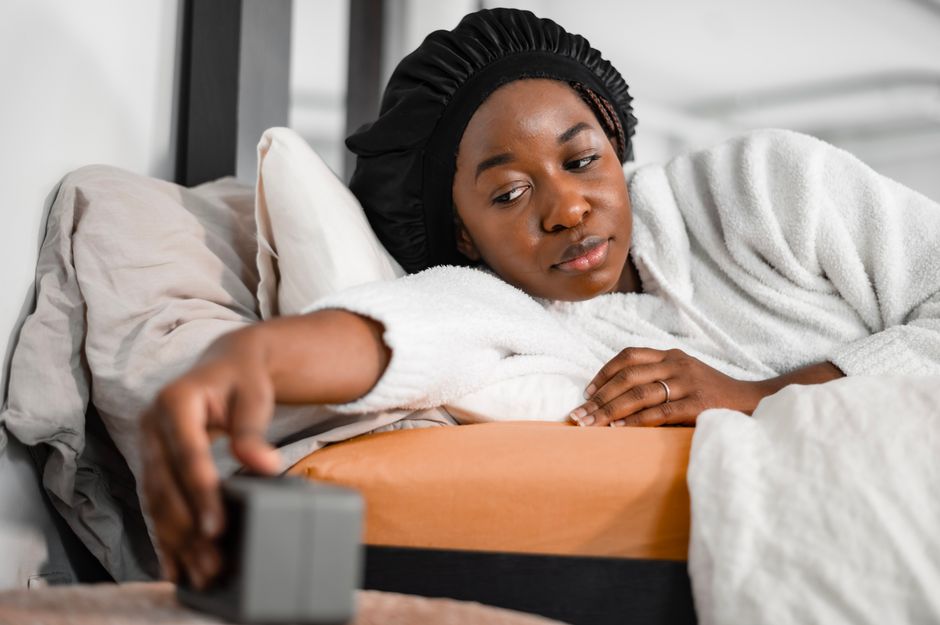
Do not check the clock. Watching the minutes pass creates anxiety about lost sleep. This anxiety makes it harder to fall asleep. Keep your clock out of sight or turn it away from your view.
Food, Caffeine, and Alcohol Timing
Caffeine blocks the receptors for adenosine, the chemical that builds sleep pressure. A standard dose of caffeine has a half-life of about five to six hours. This means that a coffee at 3:00 PM still has a significant amount of caffeine in your system at 9:00 PM.
Stop caffeine at least eight hours before your target bedtime. If you are sensitive to caffeine, you may need to stop earlier. Some people find that even morning caffeine affects their sleep quality.
Alcohol is not a sleep aid. It may help you fall asleep faster, but it fragments sleep in the second half of the night. It also suppresses REM sleep, the stage associated with dreaming and emotional processing. If you drink alcohol, avoid it in the hours close to bedtime.
Heavy meals close to bed can also interfere with sleep. Digestion raises your core body temperature and can cause discomfort. Try to finish eating at least two to three hours before you plan to sleep.
Exercise and Its Effect on Sleep Timing
Regular physical activity is associated with better sleep quality and shorter time to fall asleep. The evidence for this is consistent across many studies.
Timing matters for some people. Vigorous exercise too close to bed can raise your heart rate and core temperature, which may delay sleep onset. If you exercise intensely in the evening and struggle to fall asleep, try moving your workout earlier in the day.
Morning or afternoon exercise may reinforce an earlier sleep schedule. Outdoor exercise has the added benefit of light exposure, which supports your circadian rhythm.
When To Seek Professional Help
If you have consistently tried these strategies for several weeks without improvement, consider speaking with a healthcare provider. Persistent difficulty falling asleep may indicate insomnia disorder or another underlying condition.
Sleep apnea, restless legs syndrome, and mood disorders can all disrupt sleep timing. Treating the underlying condition is more effective than trying to force an earlier bedtime.
Cognitive behavioral therapy for insomnia is the first-line treatment for chronic insomnia. It is a structured program that addresses the thoughts and behaviors that interfere with sleep. Many people find it more effective than sleep medications, without the side effects or dependency risks.
Frequently Asked Questions
How long does it take to adjust to a new sleep schedule?
Most people adjust within one to two weeks when changes are made gradually. Shifting your bedtime by 15 to 30 minutes every few days is more sustainable than a sudden change.
Does melatonin help you fall asleep earlier?
Melatonin supplements can help signal your body that it is time to sleep, but they are not a sedative. They work best when taken one to two hours before your target bedtime, and you should consult a doctor before starting any supplement.
Why do I feel wide awake when I go to bed early?
This often happens when your body clock is still set to a later schedule. Your melatonin has not started rising yet because your evening light exposure and wake time are telling your brain it is still daytime.
