
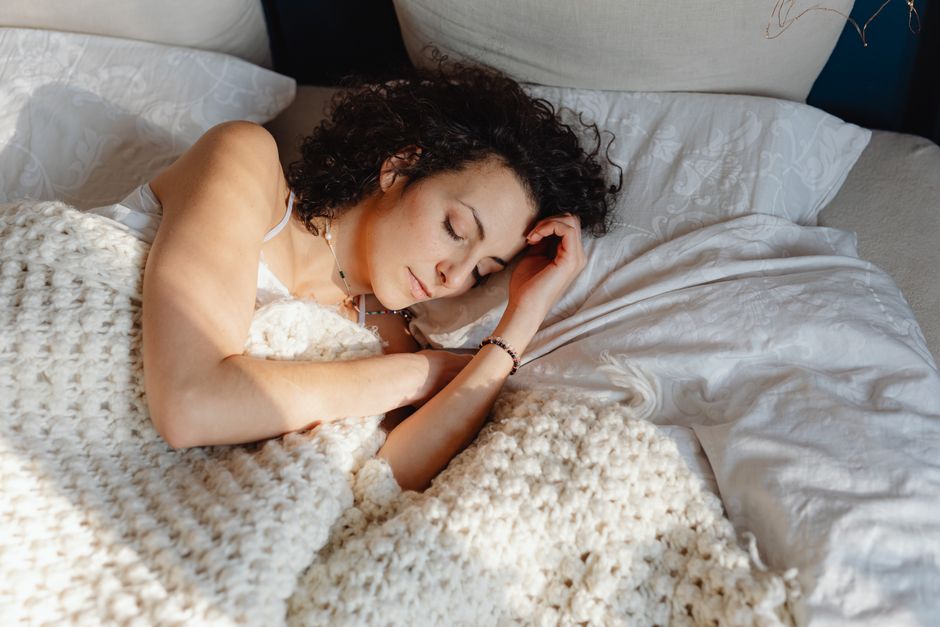
Deep sleep is the stage of sleep where your body repairs tissue, strengthens your immune system, and consolidates memories. To get more of it, you need to protect your sleep schedule, cool your bedroom, and avoid alcohol and caffeine in the evening. These are the most reliable, evidence-backed levers you can pull tonight.
What Is Deep Sleep and Why Does It Matter?
Deep sleep is also called slow-wave sleep. During this stage, your brain waves slow down dramatically. Your heart rate drops, your breathing becomes regular, and your muscles relax completely.
This is when the body does its heaviest repair work. Growth hormone is released, which helps rebuild muscle and bone. Your immune system produces more infection-fighting cells. And your brain clears out metabolic waste that builds up during waking hours.
Without enough deep sleep, you wake up feeling unrefreshed even if you spent eight hours in bed. Over time, chronic shortfalls in deep sleep are linked to memory problems, weakened immunity, and higher risk of metabolic issues like insulin resistance.
Deep sleep happens mostly in the first half of the night. The first deep sleep cycle is often the longest, lasting anywhere from 20 to 40 minutes. Later cycles get shorter, and by morning, most sleep is light sleep and REM sleep.
How Can You Get More Deep Sleep Tonight?
Start with your bedroom temperature. Your core body temperature needs to drop slightly to enter deep sleep. Most sleep researchers recommend keeping your bedroom between 60 and 67 degrees Fahrenheit. If your room is too warm, your body struggles to reach the temperature threshold needed for deep sleep.
Next, look at your evening routine. Caffeine blocks adenosine receptors in the brain. Adenosine is the chemical that builds sleep pressure over the day. When caffeine occupies those receptors, your brain does not register how tired you actually are. The half-life of caffeine is about five to six hours, meaning half the caffeine from your 3 p.m. coffee is still active at 8 or 9 p.m. Cutting caffeine by early afternoon is one of the most direct ways to protect deep sleep.
Alcohol is another culprit. Alcohol can help you fall asleep faster, but it fragments sleep in the second half of the night. It also suppresses slow-wave sleep, particularly in the first half of the night when deep sleep should be dominant. Even one or two drinks in the evening can reduce the amount of deep sleep you get.
Consistency matters more than most people realize. Going to bed and waking at the same time every day anchors your circadian rhythm. When your internal clock is stable, your body can time its sleep stages more efficiently. Irregular schedules push deep sleep later or reduce it altogether.
Does Exercise Increase Deep Sleep?
Yes. Studies consistently show that regular aerobic exercise increases slow-wave sleep. Moderate exercise like brisk walking, cycling, or swimming appears to have the strongest effect. The mechanism is not fully understood, but exercise raises body temperature during the day, and the subsequent drop in temperature may promote deeper sleep at night.
Exercise also reduces anxiety and depressive symptoms, which are common barriers to deep sleep. Physical activity increases adenosine buildup, which strengthens sleep pressure.
Timing matters. Vigorous exercise within one to two hours of bedtime can raise core temperature and heart rate, making it harder to fall asleep. Morning or early afternoon workouts are ideal. If evening exercise is your only option, aim for at least two hours before bed and keep the intensity moderate.
One caution: exercise is not a cure for sleep disorders. If you have insomnia or sleep apnea, exercise can help but will not resolve the underlying condition. Those require professional evaluation and treatment.





What About Food and Supplements for Deep Sleep?
Food has a modest influence on sleep architecture. A large meal close to bedtime can disrupt sleep because digestion raises core body temperature and can cause acid reflux. Eating your last substantial meal two to three hours before bed is a reasonable guideline.
Some research suggests that foods rich in magnesium or tryptophan may support sleep, but the evidence is not strong enough to recommend specific foods as a treatment for poor deep sleep. A balanced diet with adequate overall nutrition is the more solid foundation.
Regarding supplements, the evidence is mixed. Melatonin is well studied for helping people fall asleep, particularly for jet lag and shift work, but its effect on deep sleep specifically is not consistent across studies. Some research indicates melatonin may increase REM sleep rather than deep sleep.
Magnesium supplements are often marketed for sleep. Some small studies show benefit in older adults with magnesium deficiency, but no large trials have confirmed that magnesium supplements increase deep sleep in healthy people. If you are considering a supplement, talk with your doctor first. No supplement replaces good sleep hygiene.
How Stress and Mental Health Affect Deep Sleep
Stress keeps your nervous system in a state of alert. When cortisol levels stay elevated into the evening, your brain has difficulty transitioning into slow-wave sleep. This is an evolutionary response. Your body will not enter deep sleep if it believes a threat is nearby.
Anxiety and rumination are common culprits. If your mind races when you lie down, your brain remains in a lighter sleep state. Some clinicians recommend a “brain dump” — writing down worries and to-do items before bed — to offload mental load. This practice has some support in behavioral sleep research, though it is not a substitute for treating an anxiety disorder.
Relaxation techniques have better evidence. Progressive muscle relaxation involves tensing and then releasing each muscle group from your toes upward. Studies have found this technique increases sleep depth and reduces the time it takes to fall asleep. Deep breathing exercises, particularly slow exhales, activate the parasympathetic nervous system, which signals the body that it is safe to sleep.
If stress or anxiety is persistent and interfering with your sleep most nights for more than a few weeks, consider speaking with a healthcare provider. Cognitive behavioral therapy for insomnia, or CBT-I, is the first-line recommended treatment for chronic insomnia. It has stronger evidence than sleep medications for long-term improvement.
Does Screen Time Really Reduce Deep Sleep?
Screen exposure before bed can reduce deep sleep through two distinct pathways. The first is light. Blue light from screens suppresses melatonin production, and melatonin plays a role in timing your sleep stages. The second pathway is cognitive. Engaging content — social media, news, action-packed shows — keeps your brain alert and delays the relaxation needed for deep sleep.
The evidence on blue light alone is nuanced. Screen brightness and proximity matter. A dim phone held at arm’s length emits far less sleep-disrupting light than a bright television across the room. But the cognitive stimulation applies regardless of brightness.
Practical guidance: stop using screens 30 to 60 minutes before bed. If that is not possible, reduce brightness and switch to passive content. Reading a physical book or listening to an audiobook are better pre-sleep activities than scrolling.
When Should You See a Doctor About Sleep?
If you consistently feel unrefreshed despite giving yourself adequate sleep opportunity, something may be interfering with your sleep quality. Loud snoring with pauses in breathing can indicate sleep apnea, a condition where breathing repeatedly stops during the night. Sleep apnea fragments sleep and severely reduces deep sleep. It requires medical diagnosis and treatment, typically with a CPAP machine.
Restless legs syndrome can also disrupt deep sleep. This condition causes an uncomfortable urge to move the legs, usually in the evening. It can prevent you from reaching deep sleep and wake you during lighter stages.
If you regularly take more than 30 minutes to fall asleep, wake frequently during the night, or wake too early and cannot return to sleep, these may be signs of insomnia. Discussing these symptoms with your doctor is appropriate, especially if they have lasted more than three months.
Frequently Asked Questions
How many hours of deep sleep do you need per night?
Most adults spend about 10 to 20 percent of total sleep time in deep sleep, which often works out to roughly one to two hours per night. The exact amount varies by age, and deep sleep naturally decreases as you get older.
What time of night do you get the most deep sleep?
Deep sleep is most concentrated in the first half of the night, often within the first few sleep cycles. This is why going to bed at a consistent time matters — delaying bedtime pushes deep sleep later and reduces its duration.
Does napping during the day reduce deep sleep at night?
Long or late naps can reduce nighttime sleep pressure and make it harder to reach deep sleep. If you nap, keep it under 30 minutes and avoid napping after mid-afternoon.
Can magnesium supplements help you get more deep sleep?
Some small studies suggest magnesium may improve sleep quality in people who are deficient, but no large trials confirm it increases deep sleep in healthy adults. Talk with your doctor before starting any supplement.
