
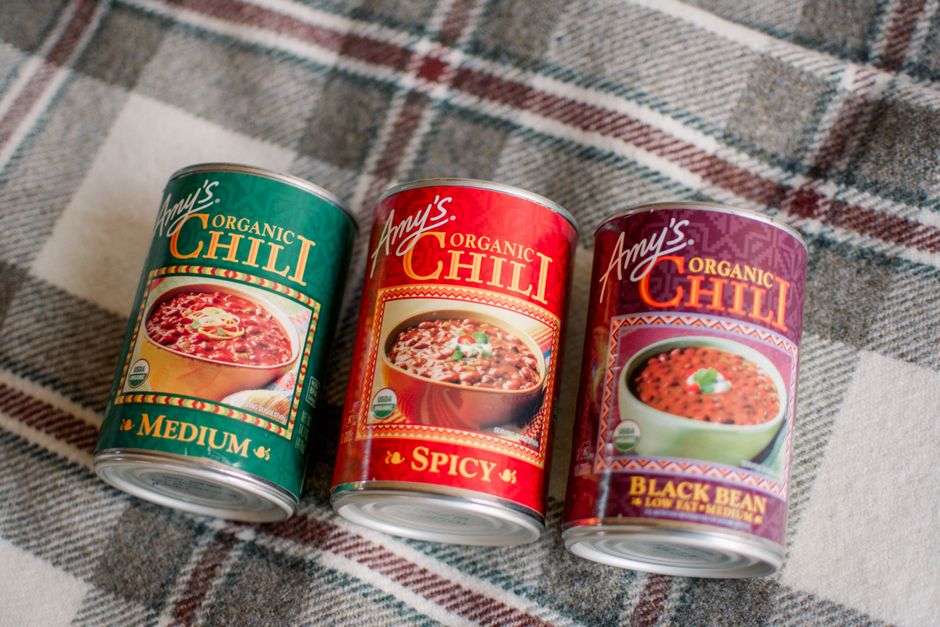
Canned black beans are a nutritious, convenient staple. A half-cup serving provides about 7 grams of protein and 8 grams of fiber, along with iron, magnesium, and potassium. They are a smart choice for quick meals, though rinsing them before use is important to reduce sodium.
What Are the Basic Nutrition Facts for Canned Black Beans?
Black beans are a legume, and their nutritional profile is well established. The standard serving size is half a cup of cooked beans. For canned varieties, this is roughly the amount you get after draining and rinsing.
In that half-cup serving, you get approximately 110 calories. The macronutrient breakdown is mostly complex carbohydrates, with a solid amount of plant-based protein. You also get a small amount of naturally occurring fat, almost none of it saturated.
The specific numbers can vary slightly between brands. Some add salt, and some do not. But the core nutritional value—protein, fiber, and micronutrients—remains consistent across the board.
How Much Protein and Fiber Is in Canned Black Beans?
Protein and fiber are the two headline nutrients in black beans. In a half-cup serving, you get about 7 grams of protein. That is comparable to a large egg, though the protein quality differs since beans are plant-based.
The fiber content is equally impressive. A half-cup provides roughly 8 grams of dietary fiber. For context, the daily recommended intake for adults is around 25 to 38 grams depending on age and sex. One serving of black beans gets you close to a third of the way there.
This fiber is mostly insoluble, which supports digestive regularity. It also feeds the beneficial bacteria in your gut, producing short-chain fatty acids that support colon health.
Canned Black Beans Nutrition: Key Vitamins and Minerals
Black beans are dense in micronutrients that many Americans do not get enough of. Iron is a standout. A half-cup serving provides about 1.8 milligrams, which is roughly 10 percent of the daily value for adults.
There is a catch with the iron. Beans contain phytates, which can reduce iron absorption. However, pairing beans with vitamin C-rich foods like tomatoes or bell peppers significantly improves how much iron your body actually takes in.
Magnesium is another important mineral here. A half-cup gives you about 30 milligrams, contributing to muscle and nerve function. You also get potassium, which helps counterbalance sodium and supports healthy blood pressure levels.
Folate is present in meaningful amounts as well. This B-vitamin is essential for cell division and is particularly important during pregnancy.




Should You Rinse Canned Black Beans to Reduce Sodium?
Sodium is the main downside of canned beans. The canning process typically requires salt, and the liquid inside the can is high in it. A half-cup of undrained canned black beans can contain 300 to 400 milligrams of sodium.
Rinsing makes a real difference. Studies have shown that draining and rinsing canned beans can reduce sodium content by roughly 40 percent. That brings the number down to a more reasonable range of about 150 to 200 milligrams per serving.
If you are watching your blood pressure or your doctor has told you to limit sodium, rinsing is a simple habit that matters. For reference, the American Heart Association recommends limiting sodium to about 2,300 milligrams per day, with an ideal limit of 1,500 milligrams for many adults.
Low-sodium or no-salt-added versions are also available. These are the best option if you want full control over the salt in your cooking.
Are Canned Black Beans as Healthy as Dried Black Beans?
Canned black beans are nutritionally comparable to beans you cook from dried. The canning process does not destroy the protein, fiber, or most of the vitamins and minerals.
One difference is sodium, as discussed. Dried beans cooked at home allow you to control the salt completely. Another minor difference is that some water-soluble vitamins, like B vitamins, can leach into the canning liquid. If you rinse the beans, you lose a small portion of these along with the sodium.
The convenience factor often wins in practice. People who rely on canned beans tend to eat beans more frequently than those who only cook dried ones. Eating beans regularly, in any form, is linked to better dietary quality and lower risk of chronic disease.
How Do Canned Black Beans Fit Into a Healthy Diet?
Black beans are a cornerstone of the dietary patterns consistently linked to longevity and lower disease risk. The Mediterranean diet and various plant-forward eating patterns all feature legumes prominently.
Research consistently shows that regular legume consumption is associated with better blood sugar control. The combination of protein and fiber slows digestion, preventing sharp spikes in blood glucose after meals. This makes black beans a smart choice for people managing type 2 diabetes or prediabetes.
There is also evidence connecting bean intake to heart health. The soluble fiber in beans binds to cholesterol in the digestive tract and helps remove it from the body. Over time, this can contribute to lower LDL cholesterol levels.
Weight management is another area where beans shine. They are low in calories relative to their volume and nutrient content. The fiber and protein promote satiety, helping you feel full longer after a meal.
What Are the Best Ways to Use Canned Black Beans?
Canned black beans are already cooked, so they are ready to eat straight from the can after rinsing. This makes them incredibly versatile for quick meals.
They work well in soups, stews, and chili. They can be mashed into veggie burgers or mixed into salads. They are a natural fit for tacos, burrito bowls, and quesadillas.
One common use is making black bean dip. Blend rinsed beans with olive oil, lime juice, garlic, and cumin for a quick, protein-rich snack. This is a healthier alternative to many store-bought dips that are heavy on refined oils and preservatives.
For meal prep, canned beans are ideal. They store well in the refrigerator for several days after opening. You can make a large batch of beans and rice, or a bean salad, and eat it across the week.
Are There Any Downsides to Eating Canned Black Beans?
The main downside is sodium, which is manageable through rinsing or choosing low-sodium products. Most other concerns are minor or affect specific populations.
Black beans contain oligosaccharides, a type of carbohydrate that humans cannot fully digest. When these reach the colon, gut bacteria ferment them, producing gas. This can cause bloating or discomfort in some people, especially if you are not used to eating beans regularly.
Gradually increasing your bean intake gives your digestive system time to adapt. Cooking beans thoroughly and rinsing canned ones can also help reduce the gas-producing compounds.
People with certain digestive conditions, like irritable bowel syndrome, may find that beans trigger symptoms. This is individual, and some people tolerate small amounts better than others.
The can itself is worth a brief mention. Most food cans are lined with a material that may contain BPA or similar compounds. Most major manufacturers have moved to BPA-free linings, but the long-term health effects of the alternatives are not fully studied. This is not a reason to avoid canned beans, but it is a reason to support brands that are transparent about their packaging.
Frequently Asked Questions
Are canned black beans good for weight loss?
Yes, they can support weight loss because they are low in calories and high in protein and fiber, which promote fullness. Replacing higher-calorie proteins with beans is a practical strategy for reducing overall calorie intake.
How much sodium is in canned black beans after rinsing?
Rinsing reduces sodium by roughly 40 percent, bringing a half-cup serving down to about 150 to 200 milligrams. Choosing no-salt-added varieties reduces it even further.
Are black beans a complete protein?
No, black beans are not a complete protein because they are low in the amino acid methionine. Eating them with grains, like rice, provides all essential amino acids across the meal.
Can you eat canned black beans without cooking them?
Yes, canned black beans are fully cooked during the canning process and safe to eat cold. Rinsing them first improves flavor and reduces sodium.
