
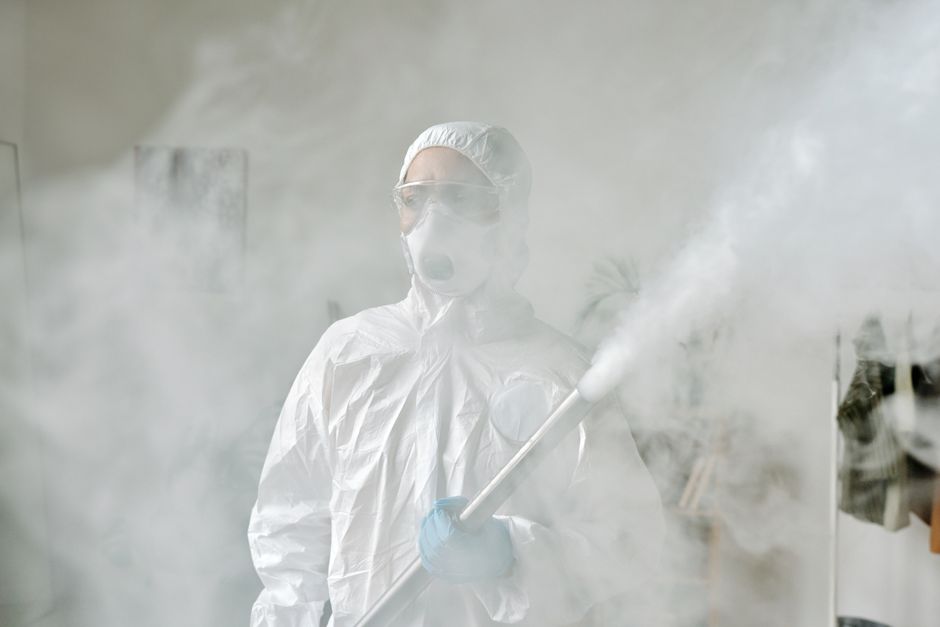
Fumigation and fogging are often marketed as a quick fix for mold problems, but the truth is more complicated. Fogging can kill mold spores in the air and on surfaces, but it does not remove the mold growth or fix the underlying moisture problem. If you fog without removing the mold and fixing the leak, the mold will come back.
Does Fumigation Kill Mold The Truth About Fogging
The short answer is yes, fogging can kill mold. But killing mold is not the same as getting rid of it. Dead mold can still trigger allergies and asthma. It can still stain surfaces and cause odors. And if the dead mold stays in place, new mold will grow right on top of it as long as moisture remains.
Fogging machines spray a fine mist of disinfectant or fungicide into the air. The mist settles on surfaces and kills mold spores it contacts. This works well for treating large areas quickly, especially in crawl spaces, attics, and HVAC systems where mold is hard to reach by hand.
The critical limitation is that fogging only affects what the mist touches. Mold hiding behind drywall, under flooring, or deep inside porous materials will survive. The mist also cannot remove the mold that is already there. It only kills what is on the surface.
How Does Mold Fogging Actually Work?
Fogging uses a machine to turn a liquid mold killer into tiny droplets. These droplets float through the air and settle on surfaces. Common fogging agents include hydrogen peroxide, vinegar-based solutions, and commercial fungicides.
The size of the droplets matters. Smaller droplets stay in the air longer and reach more surfaces. Larger droplets fall quickly and only treat the floor and lower areas. Professional fogging machines produce droplets small enough to reach most surfaces in a room.
Fogging is most effective when the room is sealed. Windows and doors are closed so the mist can concentrate. The room must be empty of people, pets, and plants during treatment. After fogging, the room needs time to air out before anyone returns.
Some fogging treatments use an electrostatic charge. This makes the droplets stick to surfaces instead of bouncing off. Electrostatic fogging can treat the underside of furniture and other hard-to-reach spots more effectively than standard fogging.
What Fumigation Can and Cannot Do for Mold
Fumigation and fogging can kill mold spores in the air. This can provide temporary relief for people with mold allergies. It can also reduce the spread of spores from one area to another during cleanup.
Fogging can disinfect non-porous surfaces like tile, glass, and metal. On these surfaces, the mist kills mold easily. You can wipe the dead mold away afterward.
Fogging has serious limits on porous materials. Drywall, wood, carpet, and upholstery absorb moisture. The mold grows inside these materials, not just on the surface. The mist cannot penetrate deeply enough to kill the mold inside. Even if the surface appears clean, the mold inside the material remains alive.
Fogging also does not address the source of the problem. Mold needs moisture to grow. If a pipe is leaking or a wall is damp, mold will return after fogging. The moisture problem must be fixed first, or the mold will regrow within days or weeks.




Why Dead Mold Is Still a Problem
Many people assume that once mold is dead, it is harmless. That is not true. Dead mold spores can still cause allergic reactions in sensitive people. The proteins that trigger allergies remain intact even after the mold is killed.
Dead mold can also release toxins. Some types of mold produce mycotoxins, which are chemical compounds that can cause health problems. These toxins do not break down when the mold dies. They remain in the dust and can be inhaled.
This is why professional mold remediation focuses on removal, not just killing. The mold must be physically removed from the building. Dead mold left in place is still a health concern.
There is also the question of what kills the mold. Some commercial fogging products contain chemicals that are not safe to breathe. Others leave residues that can irritate the skin or lungs. Always check the product label and follow all safety instructions.
When Fogging Is Actually Useful
Fogging has a legitimate place in mold treatment, but it is not a standalone solution. It works best as the final step after the mold has been physically removed.
Here is the standard professional sequence: fix the moisture problem, remove all moldy materials, clean and disinfect surfaces, then fog the area to kill any remaining airborne spores. In this order, fogging adds real value by reducing the chance of regrowth.
Fogging is also useful after water damage. If a home flooded and was dried quickly, fogging can kill mold spores before they have a chance to grow. This is a preventive measure, not a treatment for existing mold.
For HVAC systems, fogging can treat the ductwork without tearing it apart. The mist travels through the ducts and kills mold on the interior surfaces. However, the mold must be brushed or vacuumed out afterward. Fogging alone will not remove it.
Some companies offer fogging alone as a mold treatment. Be cautious with these services. If they do not also remove the mold and fix the moisture issue, the treatment will not solve your problem permanently.
How to Tell If Mold Was Actually Killed
Visual inspection is not enough. Mold that has been killed may look identical to living mold. The color does not change reliably when mold dies.
A simple test is to swab the surface and send the sample to a lab. The lab can determine whether the mold is alive or dead. This testing costs money but provides a definitive answer.
Another sign that fogging worked is the absence of regrowth over time. If the mold does not return within a few weeks after fogging, the treatment likely killed the surface mold. But if it returns, the mold was either not killed or the moisture problem remains.
Professional mold inspectors use moisture meters to check for hidden dampness. They can also take air samples before and after treatment to measure spore counts. A significant drop in airborne spores after fogging suggests the treatment was effective.
Safer and More Effective Alternatives
For small areas of mold, physical cleaning is the best approach. A solution of detergent and water removes mold from hard surfaces effectively. You can also use a mixture of water and white vinegar, though vinegar is less effective on some mold types.
Bleach is not recommended for porous surfaces. It kills surface mold but does not penetrate into wood or drywall. The mold inside these materials survives and regrows. Bleach also produces fumes that can irritate the lungs.
For larger areas of mold, professional remediation is the safest option. Professionals follow guidelines from industry standards like the Institute of Inspection, Cleaning and Restoration Certification. They use containment barriers, HEPA vacuums, and proper disposal methods to prevent spores from spreading.
If the mold covers more than about 10 square feet, most experts recommend professional help. This size threshold comes from guidelines on mold remediation in homes. Larger areas require specialized equipment and training to handle safely.
Health Risks of Fogging Chemicals
The chemicals used in fogging can be hazardous. Many commercial fungicides contain ingredients that irritate the eyes, skin, and respiratory tract. Some are classified as sensitizers, meaning repeated exposure can cause allergic reactions over time.
Hydrogen peroxide fogging is generally considered safer than chemical fungicides. It breaks down into water and oxygen and leaves no toxic residue. However, high concentrations of hydrogen peroxide can still irritate the lungs.
Never be in the room during fogging. Leave the area and do not return until the product label says it is safe. This may take several hours. Open windows afterward to ventilate the space thoroughly.
People with asthma, allergies, or compromised immune systems should be especially cautious. These individuals may react more strongly to both mold spores and fogging chemicals. Consult a healthcare provider if you have concerns.
Preventing Mold From Coming Back
Mold prevention is about moisture control. If you keep the area dry, mold cannot grow. This is the single most important step after any mold treatment.
Fix all leaks promptly. Check pipes, roofs, and windows for water intrusion. Repair any damage quickly before mold has a chance to establish itself.
Reduce indoor humidity. Keep indoor humidity below 50 percent. You can measure this with a hygrometer, which is an inexpensive device available at most hardware stores. Use air conditioners or dehumidifiers in humid climates.
Improve ventilation in bathrooms and kitchens. Use exhaust fans when cooking or showering. These areas produce the most moisture in a home and are common sites for mold growth.
Monitor problem areas regularly. Check under sinks, around windows, and in basements for signs of moisture or mold. Early detection makes treatment much easier and less expensive.
Frequently Asked Questions
Can I fog my house for mold myself?
Yes, you can rent or buy a fogging machine and do it yourself, but the effectiveness depends on the product and technique. Fogging alone will not solve a mold problem unless you also remove the mold and fix the moisture issue.
How long does mold fogging take to work?
Most fogging products kill mold within minutes to hours of contact. You should wait the time specified on the product label before re-entering the room, which is typically one to four hours.
Is fogging safe for pets and children?
No, pets and children should not be in the room during fogging or until the treatment has fully dried and the area is ventilated. The chemicals used can irritate their lungs and skin, and there are no specific safety guidelines for these vulnerable groups.
Will fogging remove mold stains?
No, fogging kills mold but does not remove stains. You will still need to wipe or scrub the surface to remove discoloration and dead mold debris.
