

Hand, foot, and mouth disease is highly contagious. It spreads quickly from person to person, especially in the first week of illness. The virus lives in an infected person’s body fluids, including saliva, mucus, nose drainage, and fluid from the blisters. It also passes through stool, which means the virus can linger long after symptoms fade.
What Exactly Is Hand, Foot, and Mouth Disease?
Hand, foot, and mouth disease is a common viral illness. It mostly affects children under age 5, but older kids and adults can catch it too. The name comes from the telltale rash that appears on the hands, feet, and inside the mouth.
The disease is not the same as foot-and-mouth disease, which affects cattle, sheep, and pigs. The two are completely unrelated. You cannot catch the animal version, and animals cannot catch the human version.
Several viruses cause hand, foot, and mouth disease. The most common is the coxsackievirus A16. Another strain, enterovirus 71, can cause more severe illness. In the United States, coxsackievirus A16 is the usual culprit.
Is Hand Foot Mouth Contagious Before Symptoms Appear?
Yes. People are most contagious during the first week of illness, but the virus can spread before any symptoms show. The incubation period is typically 3 to 6 days. That means someone can be exposed to the virus and pass it along before they even know they are sick.
This early contagious window makes the disease hard to contain. A child can go to daycare or a playdate feeling fine and expose others before the fever or rash appears. Once symptoms start, the contagious period continues for about 7 days.
The virus can also remain in the stool for several weeks after symptoms resolve. This is why handwashing after bathroom use and diaper changes matters so much. A person may look fully recovered but still shed the virus.
How Does Hand, Foot, and Mouth Disease Spread?
The virus spreads through direct contact with infected fluids. This includes touching the blisters or saliva of an infected person. It also spreads through respiratory droplets when someone coughs or sneezes.
Contaminated surfaces play a role too. The virus can live on doorknobs, toys, countertops, and other objects for hours. A child touches a contaminated toy, then touches their mouth or eyes, and the virus finds a new host.
Fecal-oral transmission is another major route. This sounds clinical, but it simply means the virus from stool ends up in someone’s mouth. This often happens through poor handwashing. A parent changes a diaper, does not wash their hands thoroughly, then prepares food. The virus travels from the diaper to the plate.
Swimming pools are not a typical source of infection. Chlorine kills the virus in properly maintained pools. However, sharing towels or drinking cups at the pool can spread the virus.




What Are the Symptoms and How Long Do They Last?
Symptoms usually begin with a fever, often 101°F to 103°F. A sore throat and reduced appetite often follow. Sores can develop inside the mouth, usually on the tongue, gums, and inside the cheeks. These mouth sores can make eating and drinking painful.
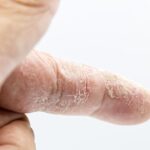
A skin rash typically appears 1 to 2 days after the fever starts. The rash shows up as flat red spots or small blisters on the palms of the hands, soles of the feet, and sometimes on the buttocks, knees, or elbows. The blisters contain fluid that carries the virus.
Most people recover in 7 to 10 days without medical treatment. The illness is usually mild. Fever typically breaks within a few days. The rash may last longer, but it usually resolves on its own.
Some people, especially adults, may have no symptoms at all yet still spread the virus. Others may experience only a mild rash or just a fever. The severity varies widely from person to person.
How Is Hand, Foot, and Mouth Disease Treated?
There is no specific antiviral medication for hand, foot, and mouth disease. Treatment focuses on relieving symptoms while the immune system fights the virus. Most cases resolve without medical intervention.
Over-the-counter pain relievers such as acetaminophen or ibuprofen can help reduce fever and ease sore throat pain. Do not give aspirin to children or teenagers. Aspirin use in children with viral illnesses has been linked to Reye’s syndrome, a rare but serious condition that causes swelling in the liver and brain.
Staying hydrated is the most important part of care. Mouth sores can make drinking painful, which raises the risk of dehydration, especially in young children. Offer cool fluids like water, milk, or oral rehydration solutions. Avoid acidic drinks like orange juice or soda, which can sting the sores.
Cold foods like ice cream, popsicles, or yogurt can soothe mouth pain. For infants, offer smaller, more frequent feedings. If a child refuses to drink for an extended period or shows signs of dehydration, contact a healthcare provider.
Do not pop the blisters. The fluid inside is infectious. Popping blisters also increases the risk of a secondary bacterial infection.
When Should You See a Doctor?
Most cases of hand, foot, and mouth disease do not require a doctor visit. However, certain symptoms warrant medical attention. If a child cannot keep fluids down, has not urinated in 8 hours, or shows signs of dehydration such as dry mouth or no tears when crying, seek care.
A high fever lasting more than 3 days, or a fever in an infant under 3 months old, needs evaluation. If the rash looks infected — red, warm, or oozing pus — contact a doctor.
Rare complications can occur. Enterovirus 71 can cause viral meningitis, encephalitis, or paralysis. Symptoms of these serious complications include stiff neck, severe headache, confusion, weakness in the arms or legs, or difficulty breathing. These require immediate medical attention.
Pregnant women who are exposed to hand, foot, and mouth disease should contact their obstetrician. The risk to the fetus appears low, but a fever during early pregnancy can carry its own risks. Your healthcare provider can give specific guidance based on your situation.
Is Hand Foot Mouth Contagious to Adults?
Yes. Adults can catch hand, foot, and mouth disease. Most adults have some immunity from childhood exposure, so they may not get sick even after close contact with an infected child. But immunity fades over time, and a new strain can cause infection.
When adults do get the disease, symptoms can sometimes be more severe than in children. Adults may experience a higher fever, more extensive rash, and more painful mouth sores. The illness follows the same course, though, and most adults recover in about a week.
Pregnant women who contract the illness late in pregnancy can pass the virus to their newborn. In rare cases, this can cause illness in the baby. If you are pregnant and have been exposed, talk to your doctor.
How Can You Prevent the Spread?
Handwashing is the single most effective prevention measure. Wash hands thoroughly with soap and water after using the bathroom, changing diapers, and before preparing food. Alcohol-based hand sanitizers work, but soap and water are better at removing the virus from hands.
Teach children to cover coughs and sneezes with a tissue or their elbow. Do not let children share cups, utensils, towels, or toothbrushes. Clean and disinfect frequently touched surfaces, especially toys and doorknobs.
Children should stay home from school or daycare while they have a fever and until the blisters have dried. This is typically about 7 days from symptom onset. Some schools require a doctor’s note before a child can return.
There is no vaccine for hand, foot, and mouth disease. The best protection is good hygiene and avoiding close contact with infected people.
Frequently Asked Questions
How long is hand, foot, and mouth disease contagious?
People are most contagious during the first week of illness, but the virus can spread before symptoms appear. The virus can remain in stool for several weeks after recovery.
Can adults get hand, foot, and mouth disease from children?
Yes, adults can catch it from infected children through direct contact with saliva, blisters, or contaminated surfaces. Many adults have partial immunity, but infection is still possible.
Can you get hand, foot, and mouth disease twice?
Yes, you can get it more than once because multiple viruses cause the disease. Even recovery from one strain does not protect you from another.
How do you clean your house after hand, foot, and mouth disease?
Clean surfaces with a bleach-based disinfectant or a product labeled to kill enteroviruses. Wash bedding, towels, and clothing in hot water, and wash toys with soap and water.
