
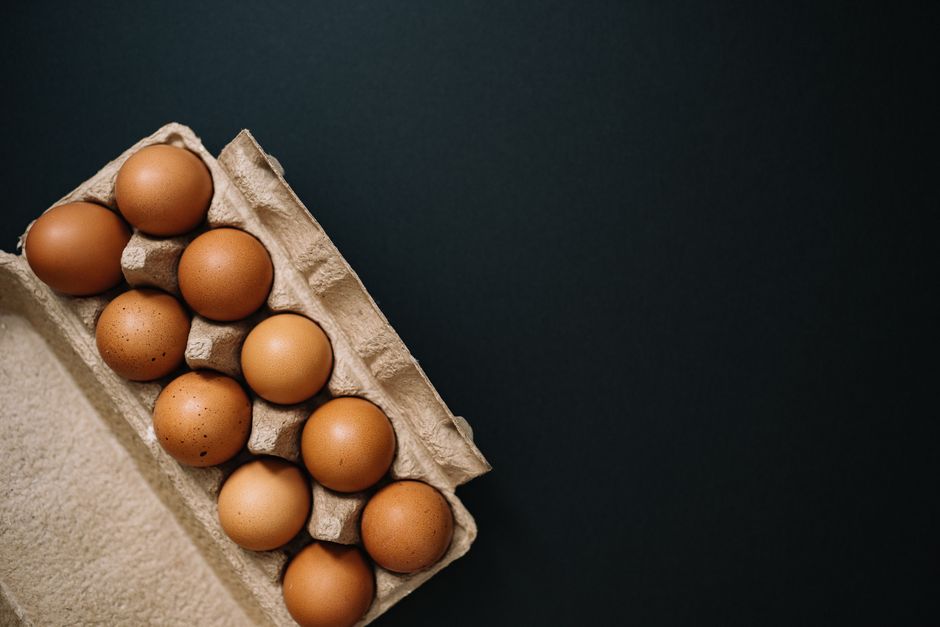
Yes, you can often use eggs past their expiration date, but the date on the carton is about quality, not safety. That date tells you when the eggs are at their peak freshness, not when they become dangerous to eat. The real test is not the calendar — it is how the egg looks, smells, and behaves when you crack it open.
What Does the Expiration Date on Eggs Actually Mean?
The date printed on an egg carton is not a safety deadline. The USDA requires a “pack date” — a three-digit number from 1 to 365 showing the day the eggs were washed, graded, and packed. The “sell-by” or “expiration” date is voluntarily added by the producer. It tells stores how long to display the eggs.
Eggs can stay fresh for 3 to 5 weeks after you bring them home if they are refrigerated properly. The USDA states that eggs are safe to eat for several weeks beyond the sell-by date. The date on the carton is a freshness estimate, not a food safety warning.
Think of it like this: the expiration date is the producer saying “we guarantee these eggs taste great until this date.” After that, the eggs may not taste as perfect, but they are not automatically spoiled.
How to Tell If an Egg Is Still Safe to Eat
Your senses are more reliable than any date stamp. The float test is the most common home method. Place the egg in a bowl of cold water. A fresh egg sinks and lies flat on its side. An older egg stands upright on the bottom. A floating egg is old and should be discarded.
Why does this work? Eggshells are porous. Over time, moisture and carbon dioxide escape through the shell, and air enters. The air cell inside the egg grows larger as the egg ages. A large enough air cell makes the egg float.
But the float test is not perfect. An egg can float and still be safe to eat if it has no bacteria. The only way to be sure is to crack the egg open and check it. Look for these signs:
- A foul, sulfur-like smell — this is the strongest sign of spoilage
- Unusual color in the white or yolk, like pink, green, or iridescent shades
- A runny white that looks watery instead of thick
- Mold spots on the shell or inside
If the egg passes the sniff test and looks normal, it is safe to eat even if it floated. The USDA confirms that the float test alone is not a reliable safety check.
How Long Do Eggs Actually Last in the Refrigerator?
Fresh eggs in the shell last 4 to 5 weeks past the pack date when kept at a steady 40°F or below. The USDA recommends buying eggs before the sell-by date and using them within 3 to 5 weeks of bringing them home. Hard-boiled eggs last only one week in the fridge.
The refrigerator door is the worst place to store eggs. The temperature fluctuates every time you open the door. Keep eggs in their original carton on an interior shelf where the temperature is most stable. The carton protects eggs from absorbing strong odors and from losing moisture too quickly.
Eggs that are cracked or dirty should be discarded. Bacteria can enter through cracks in the shell. If you crack an egg and find a blood spot, that is not a safety issue — it is a small blood vessel rupture that happens during formation. It is safe to eat or you can remove it with a clean utensil.





Can You Freeze Eggs to Make Them Last Longer?
Yes, freezing eggs extends their shelf life significantly. Whole eggs in the shell cannot be frozen — the liquid expands and cracks the shell. But you can freeze beaten eggs, egg whites, or egg yolks separately.
To freeze whole eggs, crack them into a bowl, beat them until the yolk and white are combined, and pour the mixture into a freezer-safe container. Label it with the date. Frozen eggs last up to one year in the freezer. Thaw them in the refrigerator overnight and use them within 24 hours.
Egg whites freeze especially well. Pour them into an ice cube tray, freeze until solid, then transfer the cubes to a freezer bag. Each cube is about two tablespoons of egg white. This is a practical trick for bakers who use egg whites for meringues or angel food cake.
Egg yolks need a little help. They thicken and become gel-like when frozen. To prevent this, whisk in either 1/8 teaspoon of salt or 1 1/2 teaspoons of sugar per 1/4 cup of yolks. Label the container so you remember which is which — salty yolks are not good for sweet recipes.
What About the Risk of Salmonella?
Salmonella is the real concern with eggs, not the expiration date. The CDC estimates that 1 in 20,000 eggs is contaminated with Salmonella. The risk is low but real. Refrigeration slows bacterial growth but does not kill it.
Freshness does not protect you from Salmonella. A fresh egg can carry Salmonella just as easily as an old one. The bacteria come from the hen, not from aging. Cooking eggs to 160°F kills Salmonella. That means firm whites and yolks that are no longer runny.
People with weakened immune systems, pregnant women, young children, and older adults should avoid raw or undercooked eggs. For everyone else, the risk is very small. The expiration date has nothing to do with Salmonella risk.
One thing most people do not know: washing eggs removes the protective bloom, a natural coating that seals the pores of the shell. In the US, eggs are washed and sanitized before sale, which removes this bloom. That is why US eggs must be refrigerated. In many other countries, eggs are not washed and can be stored at room temperature. This difference matters for safety but not for expiration dates.
Common Misconceptions About Egg Freshness
The brown egg myth is persistent but false. Brown eggs and white eggs are equally fresh if they come from the same farm and same date. The shell color depends on the breed of hen, not on quality or freshness.
Another common belief is that older eggs are harder to peel when hard-boiled. This one is actually true. Fresh eggs have a lower pH, which makes the inner membrane stick tightly to the shell. Eggs that are 7 to 10 days old peel more easily because the pH has risen slightly. So if you are hard-boiling eggs for deviled eggs or egg salad, use older eggs if you want clean peels.
Some people think that eggs must be kept in the refrigerator door. As mentioned earlier, the door is the warmest part of the fridge. The interior shelf is better. The carton itself is also important — it keeps eggs from absorbing odors from other foods like onions or fish.
Finally, the idea that you can tell an egg’s freshness by its yolk color is wrong. Yolk color depends on what the hen ate. Hens fed a diet rich in yellow-orange plants like marigold petals or alfalfa produce darker yolks. This has nothing to do with freshness or nutrition.
| Test | Fresh Egg | Older Egg (Still Safe) | Spoiled Egg |
|---|---|---|---|
| Float test | Sinks, lies flat | Sinks, stands upright | Floats |
| Sniff test | No odor | No odor | Foul, sulfur smell |
| White appearance | Thick, firm | Thinner, watery | Pink, green, or iridescent |
| Yolk appearance | Rounded, domed | Flatter, breaks easily | Discolored or moldy |
| Shell condition | Clean, uncracked | Clean, uncracked | Cracked, dirty, or moldy |
Frequently Asked Questions
Can I eat eggs 3 months past the expiration date?
If stored properly in the refrigerator, eggs may still be safe 3 months past the date, but quality will be poor. Always do the sniff test and look for signs of spoilage before eating.
Does the float test guarantee an egg is safe?
No, the float test only indicates age, not safety. Crack the egg and check for a bad smell or unusual color to be sure.
Can I use eggs past the expiration date for baking?
Yes, if the eggs pass the sniff test and look normal, they are fine for baking. Older eggs are actually easier to separate for recipes that need only whites or yolks.
How should I store eggs to keep them fresh longest?
Keep eggs in their original carton on an interior refrigerator shelf at 40°F or below. Do not store them in the door where temperatures fluctuate.
