
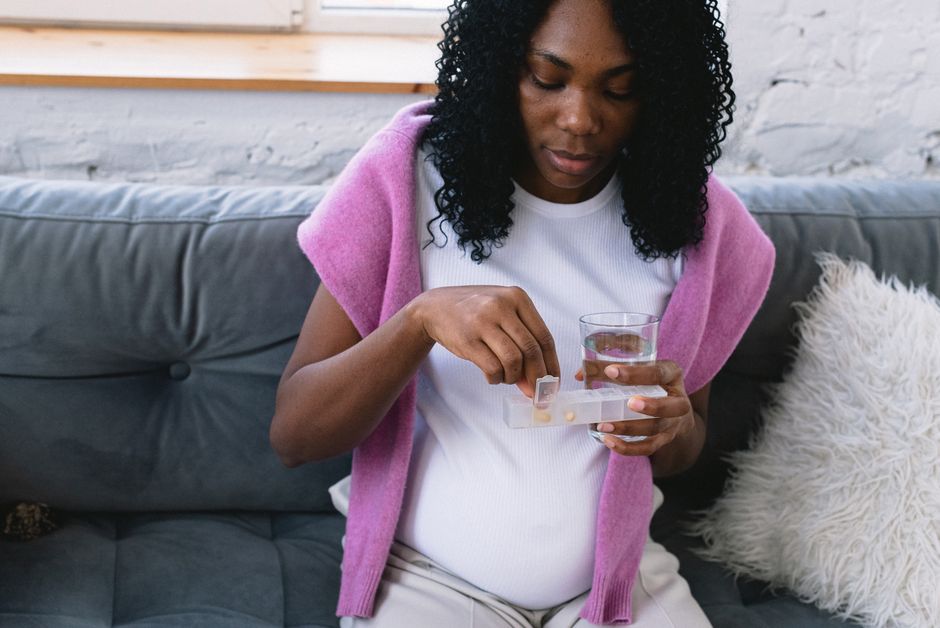
Yes, you can get pregnant while taking the pill. No birth control method is 100% effective, and the pill is no exception. When taken perfectly every day, the pill is highly effective, but real-world use includes missed pills, vomiting, and medication interactions that can lower its effectiveness. Understanding exactly how the pill works and what can go wrong is the key to using it with confidence.
How Effective Is The Pill Really?
The pill is one of the most reliable forms of birth control available, but its effectiveness depends entirely on how it is used. When taken exactly as directed — one pill at the same time every day without missing any — the combined pill is over 99% effective. This is called “perfect use.”
Real life is rarely perfect. “Typical use” effectiveness is about 91%. That means out of 100 women using the pill as their only form of birth control for one year, about 9 will become pregnant. The difference between perfect and typical use comes down to human error: forgotten pills, late pills, illness, or running out of pills before a refill.
For the progestin-only pill, sometimes called the minipill, the timing is stricter. It must be taken within the same 3-hour window every day to maintain effectiveness. Perfect use is also over 99%, but typical use is lower, around 91%.
Why Do Birth Control Pills Fail?
The pill works primarily by stopping ovulation. It uses synthetic hormones to prevent the ovaries from releasing an egg. It also thickens cervical mucus, making it harder for sperm to reach an egg, and thins the uterine lining. When the hormone levels in your body drop, ovulation can resume, and pregnancy becomes possible.
Several common situations can cause hormone levels to drop enough to allow ovulation:
- Missed pills — Missing even one active pill increases the risk, especially if you miss two or more.
- Late pills — For the combined pill, taking a pill more than 24 hours late counts as a missed pill. For the minipill, taking it more than 3 hours late is considered missed.
- Vomiting or diarrhea — If you vomit within 2 hours of taking your pill, your body may not have absorbed the hormones. Severe diarrhea lasting more than 48 hours can also reduce absorption.
- Medication interactions — Some antibiotics, certain anti-seizure drugs, and the herb St. John’s Wort can speed up how quickly your liver breaks down the pill’s hormones.
When any of these happen, your body may ovulate. If you have unprotected sex around that time, pregnancy is possible.
How To Check If Your Medication Interferes With The Pill
Drug interactions are a common reason the pill fails, yet many people never check. The most well-known interaction is with rifampin, an antibiotic used to treat tuberculosis. Rifampin clearly reduces the effectiveness of hormonal birth control. Other antibiotics have been studied with mixed results, but many doctors recommend backup contraception while taking any antibiotic just to be safe.
Anti-seizure medications like carbamazepine, phenytoin, and topiramate are known to reduce pill effectiveness. The antifungal griseofulvin also interferes. St. John’s Wort, a popular over-the-counter supplement for mood support, is consistently shown to lower hormone levels in the blood.
If you are prescribed a new medication, ask your doctor or pharmacist specifically: “Does this drug interact with my birth control pill?” Do not assume it is safe just because the medication is common. When in doubt, use a backup method like condoms for the duration of the prescription and for one full cycle after stopping it.





What To Do If You Miss A Pill
The official advice for missed pills depends on which pill you take and how many you missed. The general principle is the same: the longer the hormone gap, the higher the risk.
For the combined pill, if you miss one pill, take it as soon as you remember, even if that means taking two pills in one day. You are still protected. If you miss two or more pills, take the most recent missed pill, skip the older ones, and use a backup method like condoms for the next 7 days.
For the progestin-only pill, the rules are stricter. If you are more than 3 hours late taking it, take the missed pill immediately and use a backup method for the next 48 hours.
If you have missed pills and had unprotected sex, emergency contraception may be appropriate. The copper IUD is the most effective form of emergency contraception and works if inserted within 5 days. The hormonal emergency contraceptive pill, such as levonorgestrel or ulipristal acetate, is also an option, but it is less effective in women over a certain body weight. This is a time-sensitive decision — do not wait to see a healthcare provider.
Does Body Weight Affect Pill Effectiveness?
Some research suggests that the pill may be slightly less effective in people with higher body weight, particularly those over 155 pounds or with a BMI over 30. The evidence is not fully consistent, and no official cutoff exists where the pill is considered ineffective. However, some clinicians recommend that people in higher weight categories consider an IUD or implant instead, because those methods are not affected by weight.
If you weigh more than 155 pounds and rely on the pill, it is reasonable to discuss alternatives with your doctor. The hormonal implant and the copper IUD do not appear to lose effectiveness at higher body weights. This is not a reason to panic, but it is a factor worth considering in your overall contraceptive plan.
Can You Get Pregnant On The Pill During The Placebo Week?
Yes, but only if you did not take your active pills correctly in the weeks before. The placebo week, or the sugar pill week, is designed to be a bleed week. You are still protected during this week as long as you took all your active pills correctly in the previous 21 days.
The protection during the placebo week comes from the hormones you already took. Your hormone levels drop, which triggers withdrawal bleeding, but ovulation is usually suppressed for a longer period. However, if you missed pills in the weeks before the placebo week, you could ovulate during the bleed week, and pregnancy is possible.
Some people intentionally skip the placebo week and start a new pack immediately to avoid bleeding. This is generally safe, but it does not change the pregnancy risk. The risk is the same whether you take the placebo pills or skip them.
Early Signs You Might Be Pregnant On The Pill
If you are on the pill and suspect you might be pregnant, the most reliable sign is a missed withdrawal bleed. However, many women on the pill have light or absent bleeds even when not pregnant, so this is not a definitive sign. Other early pregnancy symptoms include breast tenderness, nausea, fatigue, and frequent urination. These symptoms are not specific — they can be caused by the pill itself or other conditions.
The only way to confirm pregnancy is a pregnancy test. Home urine tests are highly accurate when taken after a missed period. If you take a test earlier than that, a negative result may not be reliable because hCG levels may be too low to detect. If you get a negative result but still have symptoms, test again in a few days or see a healthcare provider for a blood test.
Frequently Asked Questions
Can you get pregnant on the pill if you take it every day?
Yes, but the risk is very low. With perfect daily use, the pill is over 99% effective, meaning fewer than 1 in 100 women will get pregnant in a year.
How soon after missing a pill are you at risk?
Risk increases after missing two or more active pills for the combined pill, and after being more than 3 hours late for the progestin-only pill. Use a backup method for 7 days after any significant miss.
Does being overweight make the pill less effective?
Some studies suggest a slightly higher failure rate at higher body weights, but the evidence is not conclusive. The IUD and implant are not affected by weight and may be better options for some women.
Can antibiotics stop the pill from working?
Most common antibiotics do not clearly reduce pill effectiveness, but rifampin does. Many doctors recommend backup contraception while on any antibiotic because the interaction data is incomplete.
