
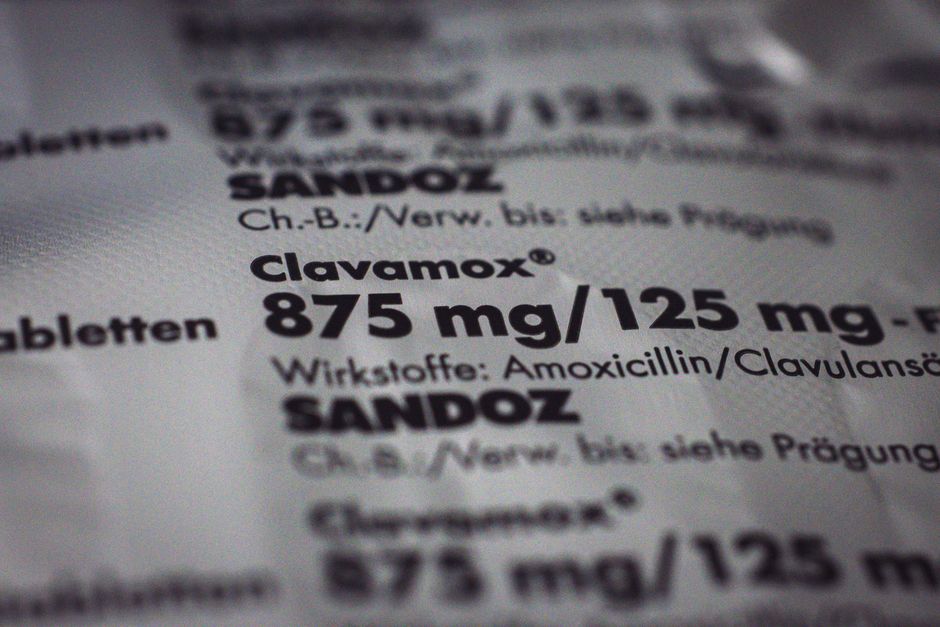
Yes, amoxicillin is a common antibiotic prescribed for bacterial ear infections, particularly in children. However, it is not a cure-all. Many ear infections are caused by viruses, and antibiotics like amoxicillin will not help those cases. Using amoxicillin when it is not needed contributes to antibiotic resistance, which is a serious public health problem. The decision to use it depends on the type of infection, the patient’s age, and the severity of symptoms.
What Is an Ear Infection and What Causes It?
An ear infection usually refers to acute otitis media (AOM), an infection of the middle ear. This happens when fluid builds up behind the eardrum and becomes infected. The infection can be caused by bacteria or viruses.
The most common bacterial culprits are Streptococcus pneumoniae, Haemophilus influenzae, and Moraxella catarrhalis. Amoxicillin works against these bacteria. Viral causes include respiratory syncytial virus (RSV), influenza, and rhinoviruses. Amoxicillin does nothing against viruses.
Ear infections are very common in children because their Eustachian tubes are shorter and more horizontal. This makes it easier for fluid to get trapped. Adults can get ear infections too, especially if they have allergies, sinus infections, or a weakened immune system.
Can You Use Amoxicillin For An Ear Infection? When Is It Appropriate?
Amoxicillin is appropriate for bacterial ear infections. The American Academy of Pediatrics (AAP) recommends it as a first-line treatment for acute otitis media in children who are not allergic to penicillin. It is effective, inexpensive, and has a good safety record.
However, not every ear infection needs antibiotics. The AAP guidelines say that for children over 6 months old with mild symptoms, a “watchful waiting” approach of 48 to 72 hours is often appropriate. During this time, pain management with ibuprofen or acetaminophen is the main treatment. If symptoms do not improve or get worse, antibiotics may then be prescribed.
For children under 6 months old, or for children with severe symptoms like high fever or severe ear pain, antibiotics are usually started right away. For adults, the same general principles apply. Amoxicillin is typically used when a bacterial infection is suspected based on symptoms and an exam.
How Does Amoxicillin Work for Ear Infections?
Amoxicillin is a type of penicillin antibiotic. It works by stopping bacteria from building their cell walls. Without a cell wall, the bacteria cannot survive. This kills the bacteria and allows the body’s immune system to clear the infection.
The standard dose for ear infections is based on weight, especially in children. It is usually taken two or three times a day for 7 to 10 days. The full course must be finished even if symptoms improve. Stopping early can leave some bacteria alive, which can lead to a relapse or antibiotic resistance.
Amoxicillin is often combined with clavulanate (Augmentin) when the infection is more stubborn. Clavulanate helps amoxicillin overcome bacteria that have become resistant. This combination is used if a child has had recent antibiotic use or if the initial treatment with amoxicillin alone did not work.





What Does Research Show About Amoxicillin for Ear Infections?
Research published in the Journal of the American Medical Association (JAMA) has shown that antibiotics like amoxicillin provide modest benefits for ear infections. For every 14 children treated with antibiotics, one child will avoid pain at day 2 to 7. The benefit is real but not dramatic for most.
A 2015 Cochrane review of 13 trials found that antibiotics reduced the chance of a perforated eardrum and infections in the other ear. However, they also increased the risk of side effects like diarrhea and rash. The review concluded that antibiotics are most beneficial for children with severe symptoms or when the diagnosis is certain.
Other research has looked at the rise of antibiotic-resistant bacteria. A study in the New England Journal of Medicine found that up to 40% of Streptococcus pneumoniae strains are now resistant to penicillin in some regions. This means amoxicillin may not work as well as it once did. This is why doctors are more careful about prescribing it only when truly needed.
What Are the Side Effects and Risks of Amoxicillin?
Amoxicillin is generally safe, but it has side effects. The most common are diarrhea, nausea, vomiting, and skin rash. Diarrhea occurs because the antibiotic kills good bacteria in the gut along with the bad ones. Probiotics can help reduce this risk.
Allergic reactions can happen, though they are rare. Signs include hives, itching, swelling of the face or throat, and trouble breathing. Anyone with a known penicillin allergy should not take amoxicillin. A history of a mild rash from penicillin does not always mean a true allergy, but caution is needed.
Antibiotic resistance is a long-term risk of overuse. When bacteria are exposed to antibiotics but not killed, they can mutate and become resistant. This makes future infections harder to treat. The CDC reports that over 2.8 million antibiotic-resistant infections occur in the U.S. each year, and over 35,000 people die from them.
Comparison: Amoxicillin vs. Other Treatments for Ear Infections
| Treatment | How It Works | When Used | Key Notes |
|---|---|---|---|
| Amoxicillin | Kills bacteria by disrupting cell wall | Bacterial ear infections, first-line | Effective, cheap, but resistance is rising |
| Amoxicillin-clavulanate (Augmentin) | Kills bacteria plus blocks resistance | Treatment failure or recent antibiotic use | More side effects, more expensive |
| Pain relievers (ibuprofen, acetaminophen) | Reduce inflammation and pain | All ear infections for symptom relief | No effect on the infection itself |
| Watchful waiting | No treatment, just monitoring | Mild symptoms, older children, adults | Most infections resolve on their own |
| Tympanostomy tubes (ear tubes) | Surgical drainage of fluid | Recurrent or chronic infections | Requires surgery, reserved for severe cases |
What to Avoid When Treating an Ear Infection
- Do not use leftover antibiotics. Taking old amoxicillin from a previous illness is dangerous. The dose may be wrong, the drug may be expired, and it may not be the right antibiotic for the current infection.
- Do not stop early. Even if your child feels better, finish the full course. Stopping early can lead to a relapse and promote resistant bacteria.
- Do not use warm oil or drops without a doctor. Some home remedies like garlic oil or warm olive oil can soothe the ear, but they are not proven to treat the infection. If the eardrum is perforated, putting anything in the ear can make things worse.
- Do not assume amoxicillin will work for every ear infection. As mentioned, viral infections will not respond. Also, some bacteria are already resistant to amoxicillin. Your doctor may need to prescribe a different antibiotic based on your history.
- Do not ignore severe symptoms. High fever, severe pain, dizziness, or hearing loss need medical attention. These can be signs of a more serious condition like mastoiditis or a ruptured eardrum.
Common Misconceptions About Ear Infections and Antibiotics
One common myth is that green or yellow ear drainage always means a bacterial infection. This is not true. The color of discharge does not reliably tell you whether bacteria or a virus is the cause. Only a doctor examining the eardrum with an otoscope can make that call.
Another myth is that ear infections are always painful. Some children, especially younger ones, may just be fussy, have trouble sleeping, or pull at their ears. Fever can also be a sign. But many ear infections cause no obvious symptoms at all and are only found during a routine checkup.
Some people believe that antibiotics are always needed to “get rid of” an ear infection. This is false. The body’s immune system can clear many ear infections on its own. Studies show that about 80% of uncomplicated ear infections resolve without antibiotics within 7 to 14 days. Antibiotics just speed up recovery for some.
Frequently Asked Questions
How quickly does amoxicillin work for an ear infection?
Most people feel some improvement within 48 to 72 hours of starting amoxicillin. If symptoms do not improve by then, contact your doctor.
Can adults take amoxicillin for an ear infection?
Yes, adults can take amoxicillin for bacterial ear infections. The dose is usually higher than for children, and it is based on body weight.
What happens if amoxicillin does not cure the ear infection?
If amoxicillin does not work, your doctor may switch to a stronger antibiotic like amoxicillin-clavulanate. Sometimes the infection is viral or caused by resistant bacteria.
Is amoxicillin safe for children with ear infections?
Yes, amoxicillin is considered safe for children when prescribed by a doctor. It is the most commonly used antibiotic for ear infections in kids.
