
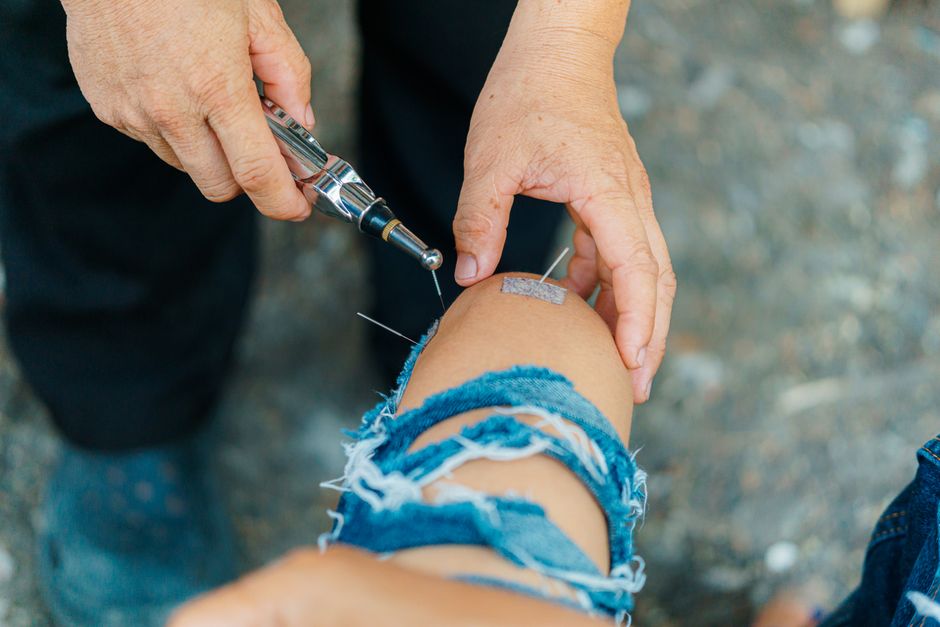
A scraped knee is one of the most common injuries. The best way to heal it fast and avoid infection is simple: clean the wound gently with soap and water, remove any dirt or gravel, apply a thin layer of plain petroleum jelly, and cover it with a sterile bandage. Change the dressing daily and watch for signs of infection.
What Is the Best Way to Clean a Scraped Knee?
Start by washing your hands with soap and water. Then rinse the scraped knee under cool running water. Use a mild soap and a clean cloth to gently wipe away dirt and debris. Do not scrub hard. Scrapes often have tiny bits of gravel or sand embedded in the skin. Remove what you can with clean tweezers after wetting the area. If debris remains deep, see a doctor.
Pat the wound dry with a clean towel or gauze. Do not rub. The goal is a clean wound without further irritation. Running water alone is enough to flush out many bacteria. Soap helps remove oils and stubborn dirt. Avoid harsh cleansers or scrubbing pads.
Should You Use Hydrogen Peroxide or Rubbing Alcohol?
No. Despite common belief, hydrogen peroxide and rubbing alcohol do more harm than good on a fresh scrape. They kill bacteria, but they also damage healthy skin cells that are needed for healing. This can slow recovery and increase the risk of infection by leaving damaged tissue behind.
Stick with plain soap and water. It is just as effective at reducing bacteria and much gentler on the wound. If the scrape is very dirty, irrigation with clean water is enough to lower bacterial counts to safe levels. Some clinicians recommend using sterile saline instead of tap water if available, but tap water is acceptable in most cases.
How to Choose the Right Dressing for Faster Healing
Cover the scrape with a sterile non-stick pad or an adhesive bandage large enough to extend past the wound edges. A moist environment speeds healing compared with letting the wound dry out and form a hard scab. So apply a thin layer of plain petroleum jelly or an ointment like Aquaphor before placing the bandage. This keeps the wound moist and prevents the dressing from sticking.
Change the dressing once a day or anytime it becomes wet or dirty. When you remove the old bandage, gently rinse the wound with water again if needed, apply fresh ointment, and cover with a clean bandage. Do not let the wound “air out” — that actually slows healing because the surface dries and forms a crust that new skin has to grow under.
For small scrapes that are not oozing much, a simple adhesive bandage is fine. For larger scrapes, use a non-stick pad and medical tape. Silicone-based dressings can also help reduce scarring when used after the wound has closed, but they are not necessary for basic healing.
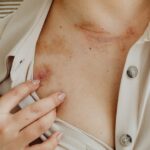

What Are the Signs of an Infected Scraped Knee?
Most scrapes heal without infection if kept clean and covered. But it is important to recognize when an infection is starting. The classic signs are:
- Redness that spreads beyond the wound edges
- Warmth around the area
- Swelling that increases after the first day
- Pain that gets worse instead of better
- Pus or yellow/green discharge
- Red streaks extending from the wound
- Fever or chills
If you notice any of these, see a doctor promptly. Infections that are caught early can often be treated with oral antibiotics. Waiting can lead to more serious complications like cellulitis or abscess.
How to Heal a Scraped Knee Fast and Avoid Infection — What Really Works
The combination of gentle cleaning, keeping the wound moist, covering it, and changing the dressing daily is the most evidence-based approach. Research consistently shows that moist wound healing reduces pain, speeds epithelialization, and lowers infection risk compared to leaving a wound open to the air.
Do not use hydrogen peroxide, alcohol, or iodine on a clean scrape. Do not pick at the scab if one forms. Scabs are natural, but under a moist dressing the wound often heals without a thick scab at all. If a scab does form, let it fall off on its own.
Keeping the area clean and dry between dressing changes is enough. You do not need special antibacterial creams. Some studies suggest that triple antibiotic ointment (neomycin, polymyxin, bacitracin) offers no additional benefit over plain petroleum jelly for preventing infection in clean wounds. Plus, neomycin causes allergic reactions in some people. Plain petrolatum is safe, inexpensive, and effective at maintaining a moist environment.
When Should You See a Doctor for a Scraped Knee?
Most scrapes can be managed at home. But see a doctor if:
- The wound is deep or won’t stop bleeding after 10 minutes of direct pressure
- Dirt or debris is embedded and you cannot remove it
- The scrape was caused by a rusty or dirty object and you haven’t had a tetanus shot in the last 5 years
- You have diabetes or a condition that slows healing
- Signs of infection appear (redness spreading, pus, fever)
- The wound is on a joint and movement is painful or limited
- A large piece of skin is torn off
Doctors can clean the wound more thoroughly, remove debris, prescribe antibiotics if needed, and check your tetanus status. A tetanus booster is recommended every 10 years, but if the wound is dirty and your last shot was more than 5 years ago, a booster may be given.
Does Nutrition Affect How Fast a Scraped Knee Heals?
Yes, but the effect is modest for small scrapes. Your body needs protein, vitamin C, zinc, and adequate calories to build new skin tissue. If your diet is seriously deficient, healing will be slower. But for most people eating a balanced diet, adding extra vitamins or supplements will not speed healing beyond normal.
Staying hydrated also helps maintain good blood flow to the wound. There is no evidence that any specific food or supplement dramatically accelerates wound healing in healthy individuals. Stick with basic good nutrition and do not rely on unproven products.
Frequently Asked Questions
How long does a scraped knee take to heal?
Most shallow scrapes fully heal in 5 to 10 days. Deeper scrapes may take up to two weeks. Healing time depends on the size of the wound, your age, and overall health.
Can I put Neosporin on a scraped knee?
You can, but plain petroleum jelly works just as well for keeping the wound moist and preventing infection in most clean scrapes. Neosporin can cause allergic reactions in some people.
Should I cover a scraped knee at night?
Yes. Cover it with a clean bandage at night to keep the wound moist and protect it from rubbing on sheets or picking. Change the dressing in the morning.
What if the scrape gets wet in the shower?
That is fine. Showering with a scraped knee is safe. Gently clean the area with water and mild soap, pat dry, and apply a fresh bandage afterward. Avoid soaking in a bathtub until the wound has closed.
