
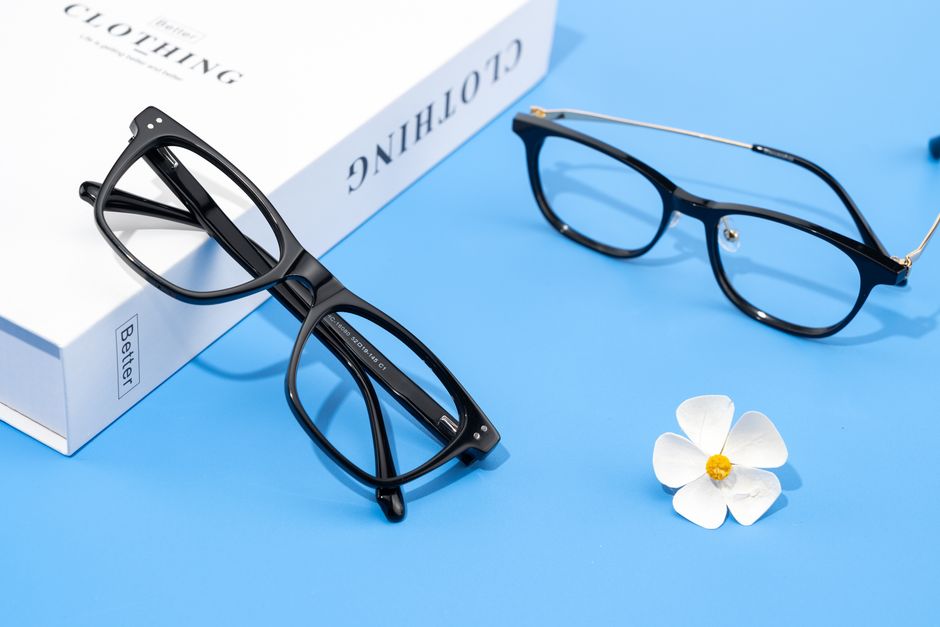
Blue light glasses are sold as a fix for eye strain and headaches. The evidence for that claim is thin. Most well-controlled studies have not found that blue light filtering lenses reduce headaches better than clear lenses, and major eye health organizations have not endorsed them as a headache treatment.
That does not mean screen-related headaches are imaginary. They are real, and they have real causes. Blue light just may not be the main one. Here is what research actually shows, what blue light does in the body, and what tends to help instead.
Do Blue Light Glasses Help With Headaches?
Probably not, at least not for most people. When researchers have compared blue light filtering glasses to clear lenses in controlled trials, headache outcomes have generally been similar between the two groups.
One of the more careful studies on this question randomly assigned office workers to wear either blue light blocking glasses or ordinary clear lenses. After several weeks, both groups reported similar changes in headache frequency and severity. Because participants did not know which lenses they had, the results are hard to explain away as bias.
There is a catch. Many blue light glasses studies are small, short, and use different definitions of headache. That limits how strongly anyone can state a conclusion in either direction. What can be said is this: the burden of proof sits with the product, and so far that proof has not arrived.
An important distinction is that blue light glasses and computer glasses are not always the same thing. Some “computer glasses” filter blue light. Others simply reduce glare or add a slight tint. The marketing often blurs these categories together.
What Does Blue Light Actually Do to Your Eyes?
Blue light is part of the visible light spectrum, with wavelengths roughly between 380 and 500 nanometers. Sunlight is the main source. Screens emit some, but at a fraction of the intensity of daylight.
The eye’s cornea and lens are fairly good at blocking ultraviolet light, but blue light passes through to the retina. That fact gets used in marketing to suggest screens are damaging the retina. The comparison does not hold up well. A person would need to sit extremely close to a screen for an extremely long time to approach the blue light exposure from ordinary daylight outdoors.
What blue light reliably does is affect the body’s internal clock. Light in the blue range is a strong signal to the brain that it is daytime. It suppresses melatonin, the hormone that helps prepare the body for sleep. This is why bright light in the evening can make it harder to fall asleep, and why morning light helps reset sleep timing.
That sleep connection matters for headaches. Poor sleep and headaches are closely linked. So blue light could plausibly affect headaches indirectly, through sleep disruption, rather than by acting on the eyes themselves.
There is also a condition worth naming: digital eye strain, sometimes called computer vision syndrome. It is a real cluster of symptoms that includes eye fatigue, dryness, blurred vision, and sometimes headache. It is generally attributed to how people use screens, not to blue light specifically.
If Blue Light Is Not the Cause, What Is Causing Screen Headaches?
Screen-related headaches usually trace back to a handful of causes, and blue light is rarely at the top of the list.
- Sustained near focus. Holding your eyes in a fixed, close focus for long periods tires the focusing muscles. This is a common driver of eye strain and associated headache.
- Reduced blinking. People blink less when looking at screens, which leads to dry, irritated eyes. Dry eyes can produce a burning or aching sensation that reads as a headache.
- Poor posture. Craning the neck forward to see a screen strains the neck and upper back. Neck muscle tension is a well-recognized trigger for tension-type headaches.
- Uncorrected vision problems. If you need glasses or a prescription update and do not have one, your eyes work harder to focus. That effort can cause headaches.
- Lighting and glare. A bright screen against a dark room, or harsh overhead light reflecting off the screen, can increase strain.
- Sleep disruption. Late-night screen use can push back sleep, and poor sleep is a common headache trigger.
Notice how many of these have nothing to do with the color of the light. That is the central point. If your headaches come from how you sit, how long you stare, or how little you blink, tinted lenses will not fix the underlying problem.




Why Do Some People Say Blue Light Glasses Help Them?
Some people genuinely feel better wearing them. There are a few honest explanations for that, and none of them require blue light to be the culprit.
The placebo effect is real and well documented. If you expect a product to help, that expectation alone can change how you feel. In headache research, placebo responses are often large.
There is also the behavior change. People who buy blue light glasses often start paying more attention to their screen habits. They may take more breaks, adjust their setup, or go to bed earlier. Any of those changes could reduce headaches on their own.
And some blue light glasses have a slight tint that reduces overall brightness and glare. Less glare can feel more comfortable, even if the blue light filtering itself is not doing the work.
None of this means the glasses are useless. It means the benefit people report may come from something other than the blue light blocking.
What Actually Helps Screen-Related Headaches?
The measures with the strongest footing are the unglamorous ones: adjusting how you use your eyes, your body, and your screen.
The widely used 20-20-20 rule asks you to look at something about 20 feet away for about 20 seconds every 20 minutes. It is a common clinical suggestion rather than a rigorously proven protocol, but it is low risk and interrupts the sustained near focus that drives strain.
Other steps that address the likely causes:
- Blink more deliberately, and consider lubricating eye drops if dryness is a problem.
- Position the screen slightly below eye level, about an arm’s length away.
- Match screen brightness to the room so the screen is not much brighter than your surroundings.
- Reduce glare from windows and overhead lights.
- Get your vision checked. An outdated prescription is a common and fixable cause.
- Support your neck and upper back. Raise the screen so you are not looking down for hours.
- Cut back on bright screens in the hour or two before bed, or dim them, to protect sleep.
If headaches are frequent, severe, or come with other symptoms, that is a reason to see a clinician. Headaches can have many causes, and some need medical attention. Screen habits are only one piece of the picture.
Are Blue Light Glasses Harmful?
For most people, blue light filtering glasses are not known to cause harm. The concern is more about cost and false confidence than safety.
One thing worth knowing: because blue light helps regulate sleep and alertness, blocking it during the day could work against you. Some researchers have raised the question of whether daytime blue light blocking might affect mood or alertness, though the evidence is not settled. If you wear them all day, every day, that is a reasonable thing to mention to your eye doctor.
People who are already light sensitive, or who have certain eye or neurological conditions, may have different needs. That is a conversation for a clinician, not a product page.
The bigger practical issue is spending money on a product that may not address your actual problem, while the real cause — posture, vision, sleep, or screen habits — goes unaddressed.
The Bottom Line on Blue Light Glasses and Headaches
Blue light glasses are not a proven headache treatment. Controlled studies have generally not found them to outperform clear lenses, and the main drivers of screen-related headaches are usually eye strain, posture, vision problems, and sleep, not blue light itself.
They are generally low risk, and some people find them comfortable. If you like them, there is little reason to stop. Just do not expect them to solve headaches that come from how you sit, focus, or sleep. Those causes tend to respond to changes in habits, not to a coating on a lens.
Frequently Asked Questions
Do blue light glasses really work for headaches?
Controlled studies have generally not found blue light glasses reduce headaches better than clear lenses. The evidence does not support them as a reliable headache treatment for most people.
Why do my eyes hurt after looking at screens all day?
It is usually digital eye strain, caused by sustained near focus, reduced blinking, and poor posture rather than blue light. Taking breaks, blinking more, and fixing your screen setup tend to help more than tinted lenses.
Can blue light from screens cause headaches?
There is no strong evidence that screen blue light directly causes headaches. It can disrupt sleep if used late at night, and poor sleep is a common headache trigger, so the effect may be indirect.
Should I wear blue light glasses at night?
Wearing them in the evening is the scenario with the clearest rationale, since blue light at night can suppress melatonin and delay sleep. Whether they reduce headaches, however, is not established.
