
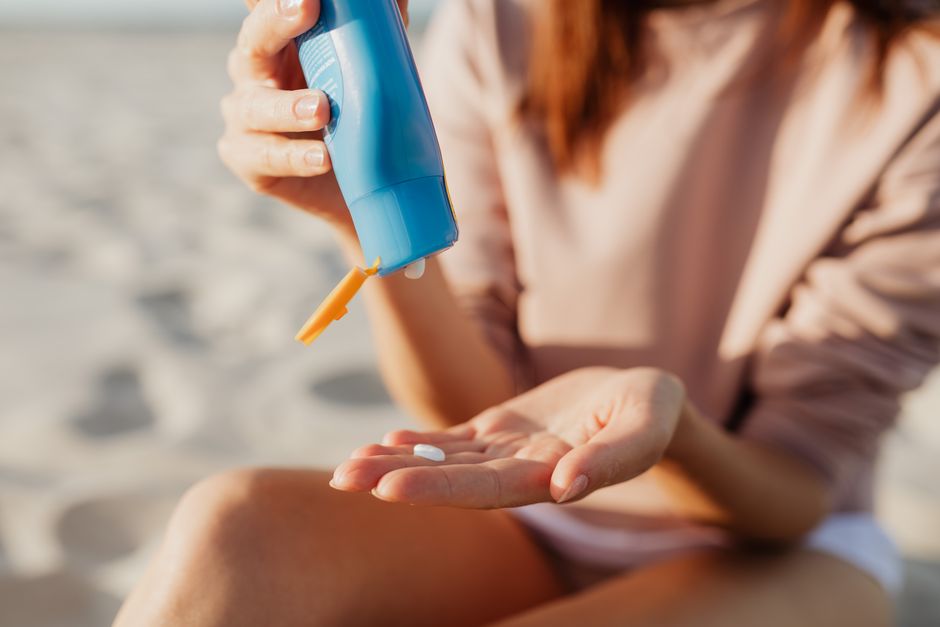
Yes, you can tan with sunscreen on, but the tan develops much more slowly and is far less intense than tanning without protection. Sunscreen is designed to block the ultraviolet (UV) radiation that causes skin to change color. No sunscreen blocks 100% of UV rays, so some radiation still reaches your skin. This means a tan is possible, but it is a sign of skin damage, not health.
How Does Sunscreen Actually Work?
Sunscreen protects your skin by absorbing, reflecting, or scattering UV radiation before it can penetrate the skin cells. There are two main types of UV rays that affect your skin: UVA and UVB.
UVB rays are the primary cause of sunburn. They have shorter wavelengths and damage the outer layers of the skin. UVA rays penetrate deeper. They contribute to premature aging, wrinkles, and long-term skin damage. Both types of rays can cause skin cancer.
Broad-spectrum sunscreens protect against both UVA and UVB rays. When you apply sunscreen correctly, it acts as a filter. It reduces the amount of UV radiation that reaches your living skin cells. But it does not eliminate all of it.
Why Do You Still Tan With Sunscreen On?
Your skin tans because of a pigment called melanin. When UV rays hit your skin, your body produces more melanin as a defense mechanism. This pigment absorbs UV radiation and gives your skin a darker color. That darker color is your skin trying to protect itself from further damage.
No sunscreen offers complete protection. Even a product with a high SPF allows some UV radiation through. SPF 50 blocks about 98% of UVB rays. That leaves about 2% reaching your skin. Over hours in the sun, that small amount can trigger melanin production.
The tan you get with sunscreen is often slower and lighter. It may take days of repeated sun exposure to notice a change. Some people mistake this gradual darkening for a “safe tan.” It is not. Any color change means your skin has received enough UV radiation to trigger a damage response.
Does SPF 50 or SPF 100 Prevent Tanning?
Higher SPF numbers block slightly more UVB rays, but the difference is small. SPF 30 blocks about 97% of UVB rays. SPF 50 blocks about 98%. SPF 100 blocks about 99%. No product blocks 100% of UV radiation.
SPF measures protection against sunburn, which is primarily caused by UVB rays. It does not tell you everything about UVA protection. A high SPF does not mean you cannot tan. It simply means you will need more sun exposure to reach the same level of tanning as you would with a lower SPF.
People often apply less sunscreen than recommended. Most people use about half the amount needed for full protection. This reduces the effective SPF significantly. If you apply a thin layer of SPF 50, you may only be getting the protection of SPF 20 or less.





Does Waterproof or Sport Sunscreen Last Longer?
No sunscreen is truly waterproof. The FDA no longer allows manufacturers to use the terms “waterproof” or “sweatproof” because they are misleading. Products can be labeled “water resistant” for either 40 or 80 minutes.
Water resistant sunscreen still breaks down with swimming, sweating, and towel drying. You need to reapply it regularly to maintain protection. If you are spending the day outdoors and reapplying correctly, you are reducing UV exposure. But you are not eliminating it.
Sunscreen also degrades in sunlight over time. The active ingredients break down as they absorb UV radiation. This means the level of protection drops the longer you stay in the sun, even if you do not swim or sweat.
Can You Get a Base Tan Before Using Sunscreen?
A “base tan” is a common myth. Some people believe getting a slight tan before a vacation will protect them from burning later. This idea is not supported by evidence. A tan provides very little protection, equivalent to about SPF 3 or less.
That level of protection is minimal. It does not reduce your risk of skin cancer or significant sun damage. Deliberately tanning to build a base tan exposes you to unnecessary UV radiation without meaningful benefit.
Some research suggests that people who base tan end up with more total sun damage over time. They feel falsely protected and spend more time in the sun. The result is often more UV exposure, not less.
What Is the Difference Between Tanning and Burning?
Burning is an acute inflammatory response. Your skin turns red, feels painful, and may peel. This happens when UV radiation damages the DNA in your skin cells beyond what your body can repair immediately.
Tanning is a slower response. Melanin production takes time to ramp up. This is why a tan often appears a day or two after sun exposure. Both processes indicate that UV radiation has damaged your skin cells.
There is no such thing as a healthy tan. The tan itself is evidence of DNA damage. Your skin produces melanin to protect against future damage, but that protective response comes after the initial injury has already occurred.
Does Sunscreen Increase or Decrease Vitamin D Production?
Sunscreen does reduce vitamin D production because it blocks the UVB rays your skin needs to make vitamin D. However, research shows that people who use sunscreen regularly still maintain adequate vitamin D levels in most cases. The reduction is not usually clinically significant.
Most people get enough UV exposure through small gaps in coverage, missed spots, and time before applying sunscreen. If you are concerned about vitamin D, talk to your doctor about testing and supplements. Taking a supplement provides vitamin D without any skin cancer risk.
Deliberately tanning to boost vitamin D is not a safe strategy. The amount of sun needed to produce vitamin D is small. It takes only a few minutes of exposure on limited areas of skin for many people. Prolonged tanning does not provide additional vitamin D benefit.
How to Get Color Without Dangerous Sun Exposure
If you want the look of a tan without UV damage, self-tanning products are the safe alternative. These products contain dihydroxyacetone (DHA), which reacts with amino acids in the outer layer of dead skin cells. The color change is temporary and fades as skin sheds.
Sunless tanners do not provide any UV protection. You still need sunscreen if you will be outdoors. The color from these products is purely cosmetic and carries no known skin cancer risk.
Spray tans and gradual tanning lotions are widely available. Some dermatologists recommend them for people who want a bronzed look. The evidence is clear that these products are far safer than UV exposure from the sun or tanning beds.
Frequently Asked Questions
Can you still get a tan with SPF 50 sunscreen?
Yes, you can still tan with SPF 50 sunscreen. SPF 50 blocks about 98% of UVB rays, but the remaining 2% can still trigger melanin production over time.
Is a tan with sunscreen safer than a tan without sunscreen?
A tan with sunscreen involves less UV damage than tanning without protection, but it is not safe. Any tan indicates your skin has received enough UV radiation to trigger a damage response.
How long does it take to tan with sunscreen on?
There is no standard timeline because it depends on your skin type, the SPF used, how much you apply, and the intensity of the sun. It typically takes much longer than tanning without sunscreen, often days of repeated exposure.
Does sunscreen prevent vitamin D absorption?
Sunscreen reduces vitamin D production, but regular sunscreen users usually maintain adequate levels. If you are concerned, ask your doctor about testing rather than tanning without protection.
