
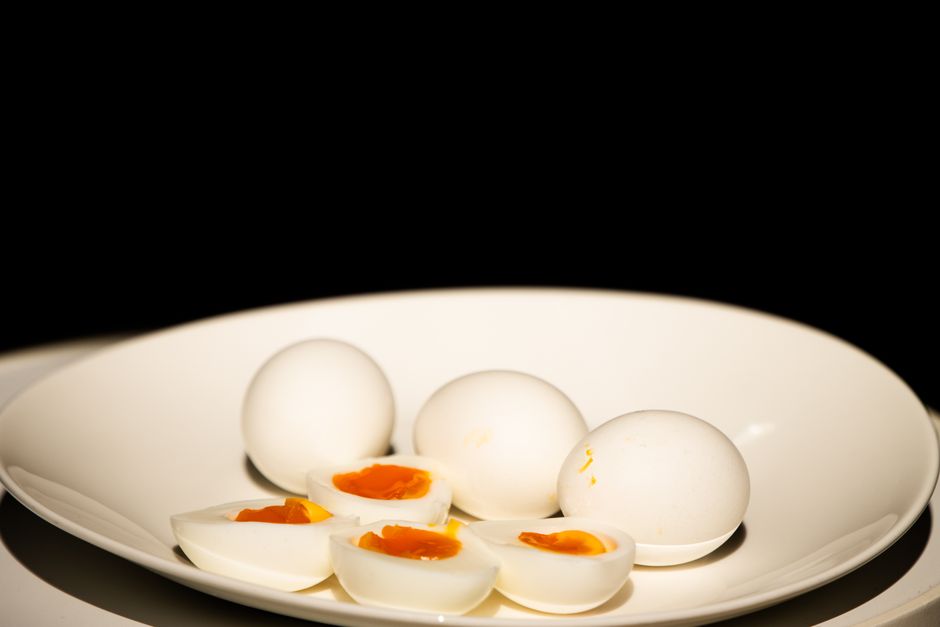
You can freeze hard boiled eggs, but you should not freeze them whole. The whites turn rubbery and watery when thawed. If you separate the yolks and freeze them alone, the results are much better. Many people try freezing whole hard boiled eggs and end up disappointed. The texture change is real and well documented. Here is what actually happens and how to do it right if you still want to try.
What Happens When You Freeze a Whole Hard Boiled Egg?
The egg white is mostly water held in a protein structure. When you freeze it, the water expands and forms ice crystals. Those crystals puncture the protein network. When you thaw the egg, the water leaks out. The white becomes spongy, watery, and tough all at once.
The yolk changes less because it has more fat and less water. But the white is the problem. The USDA explicitly advises against freezing hard boiled eggs in their shells. The texture degradation is not subtle. Most people describe the thawed white as resembling a rubber eraser.
Research from food science journals confirms this. Freezing alters the protein matrix in egg whites irreversibly. No cooking method can restore the original texture. If texture matters to you, freezing whole hard boiled eggs will disappoint you.
Can You Freeze Just the Yolks?
Yes, and this works much better. The yolk has about 50 percent water compared to nearly 90 percent in the white. Less water means smaller ice crystals and less structural damage. Thawed yolks retain a creamy, crumbly texture that works well in salads, deviled eggs, or as toppings.
To freeze yolks, remove them from the white and place them in a single layer on a baking sheet. Freeze until firm, then transfer to a freezer bag or container. This prevents them from sticking together. Thaw in the refrigerator overnight.
Some people report that thawed yolks have a slightly mealy texture. That is true for some preparations. But for most uses like egg salad or garnishes, the difference is minor. The whites are the main problem, not the yolks.
How Should You Thaw Frozen Hard Boiled Egg Yolks?
Thaw frozen yolks in the refrigerator. Never use a microwave. Microwaving creates hot spots that cook parts of the yolk unevenly and make the texture worse. Cold thawing takes several hours but preserves the best possible texture.
Once thawed, use the yolks within 24 hours. Do not refreeze. Refreezing causes additional ice crystal damage that makes the texture unappealing even for yolks. The second thaw will be noticeably worse than the first.
If you plan to use the yolks in a cooked dish like a sauce or baked good, you can add them directly from frozen. The cooking process masks any texture changes. This is the best option if you care about texture and want minimal hassle.



How Long Do Frozen Hard Boiled Egg Yolks Last?
Frozen yolks maintain acceptable quality for up to three months. Beyond that, freezer burn and gradual dehydration affect the flavor and texture. The yolks will still be safe to eat indefinitely if kept at 0°F, but quality declines steadily after three months.
Label your container with the date. The USDA recommends using frozen egg products within one year for safety, but for best quality, three months is the practical limit. After six months, the yolks develop an off flavor that some people describe as stale or cardboard-like.
For comparison, fresh hard boiled eggs in the refrigerator last one week. Frozen yolks give you a much longer window but with tradeoffs. If you need eggs for a specific recipe in the near future, refrigeration is better. Freezing is for surplus yolks you want to save for later.
What About Freezing Deviled Eggs or Egg Salad?
Freezing deviled eggs as a whole dish is not recommended. The filling contains mayonnaise or other dairy-based ingredients that separate when frozen. The yolk mixture becomes grainy and watery upon thawing. The white base becomes rubbery as well.
Egg salad has similar problems. The mayonnaise breaks down and the egg whites turn watery. The texture becomes unappealing. If you have leftover egg salad, it is better to eat it within three to four days refrigerated than to freeze it.
Some people freeze deviled egg filling alone without the whites. This works better than freezing the whole egg. The filling can be thawed and piped into fresh whites later. But the texture will still be slightly different from fresh. Do not expect identical results.
Common Misconceptions About Freezing Hard Boiled Eggs
- Myth: Freezing hard boiled eggs is the same as freezing raw eggs. Raw eggs freeze differently because the white has not been denatured by cooking. Raw egg whites freeze and thaw with less texture change. Cooked whites are already set, so freezing damages them more.
- Myth: You can freeze hard boiled eggs in the shell. The shell provides no protection against texture changes. It actually makes things worse because the shell traps moisture and slows freezing, creating larger ice crystals. Always remove the shell before freezing.
- Myth: Freezing kills bacteria in hard boiled eggs. Freezing does not kill bacteria. It only stops bacterial growth. If your hard boiled egg was contaminated before freezing, it remains contaminated after thawing. Do not freeze eggs that have been left at room temperature for more than two hours.
- Myth: Thawed hard boiled eggs taste the same as fresh. The flavor is similar, but the texture is noticeably different. Most people can tell the difference in a blind test. If you are serving eggs as a standalone dish, fresh is better. If they are mixed into something, frozen works fine.
Should You Freeze Hard Boiled Eggs at All?
For most people, the answer is no. The texture change is real and noticeable. Fresh hard boiled eggs last a week in the refrigerator. If you are making them for a specific event or recipe, just make what you need. Freezing is a solution for a problem most people do not have.
But if you have a large batch of yolks left over from a recipe that only uses whites, freezing the yolks makes sense. The same applies if you meal prep and do not mind the texture tradeoff. Just know what you are getting into.
The table below summarizes the key differences between freezing methods.
| Method | Texture After Thawing | Best Use | Freezer Life |
|---|---|---|---|
| Whole egg (shell removed) | Rubbery, watery white; acceptable yolk | Only if texture does not matter | 3 months |
| Yolks only | Creamy, slightly crumbly | Salads, garnishes, baking | 3 months |
| Deviled eggs (whole) | Grainy filling, rubbery white | Not recommended | N/A |
| Egg salad | Watery, separated dressing | Not recommended | N/A |
The bottom line is simple. Freeze yolks if you must. Avoid freezing whole hard boiled eggs. Accept that the texture will not be the same as fresh. If you can plan ahead, just refrigerate and use within a week. That gives you the best results with no guesswork.
Frequently Asked Questions
Can you freeze hard boiled eggs with the shell on?
No, the shell makes the texture worse by trapping moisture and slowing freezing. Always remove the shell before freezing.
How long do frozen hard boiled egg yolks last?
They last up to three months at best quality. They remain safe to eat longer but the texture and flavor decline after three months.
Can you freeze deviled eggs?
Freezing whole deviled eggs is not recommended because the filling separates and the whites become rubbery. Freeze only the yolk filling if needed.
Do frozen hard boiled eggs taste different?
The flavor is similar but the texture is noticeably different. Most people can tell the difference in a blind test, especially with the whites.
