
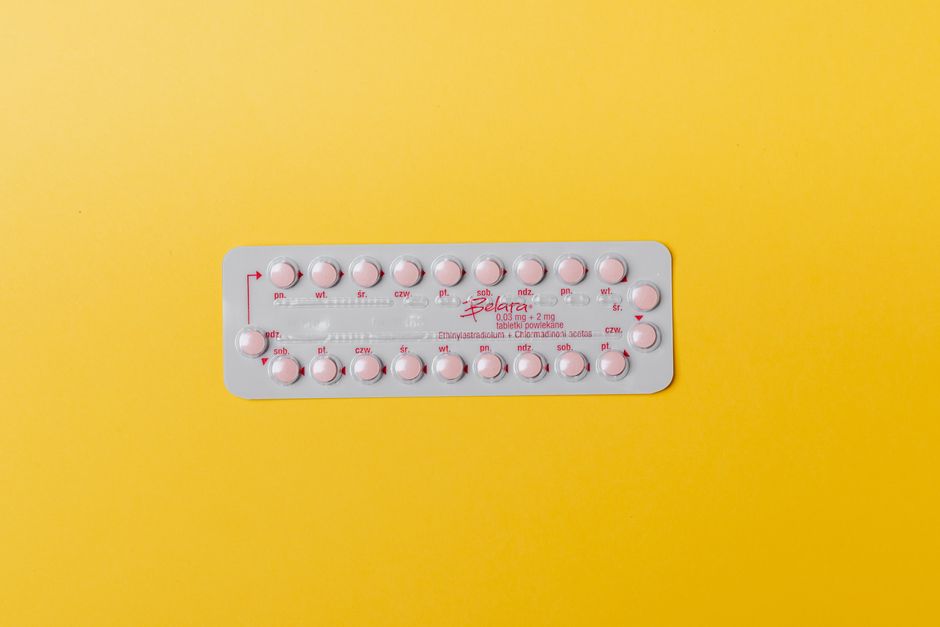
Taking estrogen pills while on birth control is not something you should do on your own. Most birth control pills already contain estrogen. Adding more can raise your risk of blood clots, stroke, and other serious health problems. The only safe way to manage this is to talk with a doctor or gynecologist who can review your specific situation and adjust your prescription if needed.
What Counts as an Estrogen Pill?
Estrogen pills come in many forms. Some are prescribed for hormone replacement therapy during menopause. Others are used to treat conditions like endometriosis, uterine bleeding, or symptoms of perimenopause. Some people also use over-the-counter supplements that claim to contain plant-based estrogens, though these are not the same as prescription estrogen.
The key distinction is that prescription estrogen pills are potent medications. They affect the entire body, not just one system. When you add them to a birth control pill that already contains estrogen, you are essentially doubling your hormone load without a medical reason.
Combination birth control pills typically contain ethinyl estradiol, a synthetic form of estrogen. The dose varies by brand, but it is enough to prevent ovulation and regulate your cycle. Adding more estrogen from another source changes how your body processes both medications.
Why Combining Them Is Risky
The main concern is blood clots. Estrogen increases the production of certain clotting factors in the liver. Higher estrogen levels mean a higher risk of venous thromboembolism — a blood clot that forms in a deep vein, usually in the leg, and can travel to the lungs.
This risk is already present with birth control pills alone. Adding extra estrogen multiplies it. Studies have consistently shown that the risk of blood clots increases with higher estrogen doses. This is why modern birth control pills use lower doses than older formulations.
Other risks include:
- High blood pressure
- Gallbladder disease
- Liver tumors (rare but serious)
- Increased risk of breast cancer with long-term use
None of these risks are hypothetical. They are documented complications of estrogen therapy. Combining two estrogen-containing medications without medical supervision is not a gray area — it is a clear safety concern.
Why Someone Might Think They Need Both
Some women consider adding estrogen pills because they believe their birth control is causing low estrogen symptoms. These might include hot flashes, vaginal dryness, low mood, or loss of libido. The logic seems reasonable: if you feel low in estrogen, take more.
But this reasoning misses how birth control works. Combination birth control pills suppress your natural ovarian estrogen production. The estrogen in the pill replaces it. If you are having symptoms, it is not because your body lacks estrogen — it is because the type and dose of estrogen in your pill may not suit you.
A different birth control pill with a different estrogen dose or a different progestin might solve the problem. Or a non-hormonal method might be better for you. Adding a separate estrogen pill does not fix the underlying mismatch.




What About Bioidentical or Natural Estrogen?
The word “bioidentical” sounds safer, but it does not change the fundamental risk. Bioidentical estrogens are chemically identical to the estrogen your body makes. They are still estrogen. They still increase clotting risk.
Some compounding pharmacies sell custom estrogen creams or pills labeled as natural. These products are not FDA-approved. Their doses are not standardized. No large clinical trials have confirmed their safety when combined with birth control.
No study has confirmed that bioidentical estrogen is safer than synthetic estrogen when it comes to blood clot risk. The evidence simply does not exist. Treat any estrogen product — prescription, over-the-counter, or compounded — with the same caution.
What Your Doctor Will Consider
If you bring this question to a doctor, they will not just say yes or no. They will ask why you want to add estrogen. That answer determines what happens next.
If you are having menopausal symptoms, your doctor may discuss whether you are actually in perimenopause. Blood tests can check your hormone levels. If you are perimenopausal, a low-dose hormone therapy might be appropriate — but you would likely need to switch your birth control method first.
If you are having side effects from your current pill, your doctor may switch you to a different formulation. There are dozens of combination pills with different estrogen doses and different progestins. There are also progestin-only pills, which contain no estrogen at all.
If you are trying to manage a condition like endometriosis, your doctor may recommend a continuous birth control regimen or a different medication entirely. Adding estrogen pills is rarely the first-line treatment for any of these situations.
Alternatives to Adding Estrogen Pills
Depending on why you want estrogen, there may be safer options. For vaginal dryness, vaginal estrogen creams or rings deliver a low dose locally. Much less of it enters your bloodstream compared to an oral pill. This means less clotting risk.
For hot flashes during perimenopause, some women benefit from non-hormonal medications. Certain antidepressants and blood pressure medications have been shown to reduce hot flash frequency. These do not interact with birth control the way estrogen does.
For mood symptoms, it is worth checking whether the progestin in your pill is the culprit. Some progestins are more androgenic than others and can affect mood differently. Switching to a different progestin may help without adding any estrogen.
For bone health concerns, weight-bearing exercise, adequate vitamin D, and calcium intake are the first-line recommendations. Estrogen does protect bone density, but adding it to birth control to address bone health is not a standard practice.
When Combining Might Be Medically Appropriate
There are rare situations where a doctor might prescribe both. For example, a woman with premature ovarian failure who needs both contraception and hormone replacement might take a birth control pill plus additional estrogen. But this is managed carefully by a specialist, with regular monitoring.
Another example is a woman who has had a hysterectomy and uses estrogen therapy for menopausal symptoms but still needs contraception. In this case, the estrogen is replacing what her ovaries would have made, and a progestin-only or non-hormonal contraceptive might be chosen.
These are medical decisions made by a doctor who knows the full picture. They are not situations where a patient self-prescribes an additional estrogen pill. The dose, timing, and monitoring all matter.
Signs You Should See a Doctor
Do not wait for symptoms to become severe. If you are currently taking both estrogen pills and birth control without a doctor’s knowledge, make an appointment soon. If you have any of the following symptoms, seek care promptly:
- Sudden shortness of breath
- Chest pain
- Swelling or pain in one leg
- Severe headache
- Vision changes
These can be signs of a blood clot or other serious complication. Do not dismiss them. Call your doctor or go to urgent care.
If you have not started yet, do not start. Make an appointment to discuss your concerns. A doctor can help you find a solution that addresses your symptoms without doubling your estrogen exposure.
Frequently Asked Questions
Can I take estrogen supplements with my birth control pill?
No, not without a doctor’s approval. Adding estrogen to a combination birth control pill increases your risk of blood clots and other serious side effects.
What happens if I take estrogen pills while on birth control?
You raise your estrogen levels above what is considered safe for contraception. This increases your risk of blood clots, stroke, high blood pressure, and gallbladder problems.
Is bioidentical estrogen safer than prescription estrogen with birth control?
No. Bioidentical estrogen is still estrogen and still increases clotting risk. No clinical evidence confirms it is safer when combined with birth control.
Can I switch birth control methods instead of adding estrogen?
Yes, this is often the better option. Your doctor can help you choose a different pill, a progestin-only method, or a non-hormonal option that addresses your symptoms without extra estrogen.
