
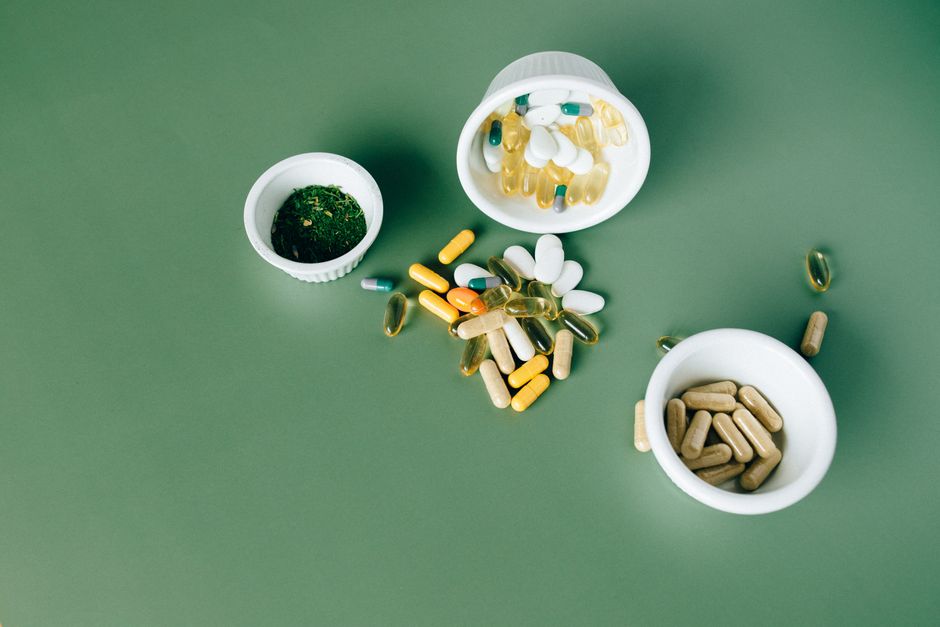
Yes, you can take a probiotic while pregnant, and many people do. Probiotics are widely available, generally well tolerated, and often marketed to pregnant women. But “can you” and “should you” are two different questions, and the honest answer is that the evidence is stronger for some uses than others.
Here is the short version. Probiotics are not a standard recommendation for all pregnancies. For specific situations, certain strains have been studied with promising results. For the general goal of a “healthier pregnancy,” the evidence is much thinner. This article walks through what is actually known, what is not, and how to think about the decision with your clinician.
What Are Probiotics and How Do They Work?
Probiotics are live microorganisms — mostly bacteria, sometimes yeast — that are intended to provide a health benefit when consumed in adequate amounts. That definition comes from the World Health Organization and the Food and Agriculture Organization. The key phrase is “adequate amounts.” A food or supplement that contains bacteria is not automatically a probiotic. It has to contain a defined strain in a quantity shown to do something.
Your gut already holds trillions of microorganisms. They help break down certain fibers, produce some vitamins, and interact with your immune system. The idea behind probiotics is to add specific strains that may shift that community or interact with your body in a useful way.
Here is where it gets complicated. The gut microbiome is enormously complex, and researchers are still working out what a “healthy” one looks like. Taking a probiotic does not simply replace or repair your existing bacteria. Most strains do not take up permanent residence. They pass through. Any effect usually depends on continued use.
Pregnancy changes the body in ways that touch this system. Immune function shifts, hormone levels change, and the vaginal and gut environments can change too. That is part of why researchers are interested in probiotics during pregnancy. It is also why the research is still catching up to the marketing.
Can You Take a Probiotic While Pregnant?
Yes. Probiotics are not generally considered unsafe during pregnancy, and many people take them without issue. The strains commonly found in supplements and fermented foods — Lactobacillus and Bifidobacterium species, and the yeast Saccharomyces boulardii — have been used in pregnancy research without consistent safety signals.
That said, “generally safe” is not the same as “recommended for everyone.” There is no blanket clinical guideline telling all pregnant women to take a probiotic. The decision depends on why you want to take one and what your clinician thinks about your specific situation.
One important caveat: people who are immunocompromised, or who have a central line or serious underlying illness, face different risks. In rare cases, probiotic bacteria have caused infections in very vulnerable patients. If you have a condition that affects your immune system, talk to your doctor before starting any probiotic.
What Does the Evidence Actually Show?
The strongest evidence for probiotics in pregnancy involves specific, narrow outcomes. The most studied is the prevention of a condition called gestational diabetes, and the treatment of a vaginal condition called bacterial vaginosis. The results are not uniform.
For gestational diabetes, several meta-analyses have found that probiotic supplementation may be associated with a lower risk. But the trials vary widely in which strains they used, the dose, and when in pregnancy they started. Some individual trials show a benefit and others do not. The overall picture is suggestive, not settled. This is not the same as saying a probiotic prevents gestational diabetes.
For bacterial vaginosis, some studies suggest certain Lactobacillus strains may help restore normal vaginal flora, particularly when used alongside standard antibiotic treatment. Again, results vary, and the evidence is not strong enough to make probiotics a standard recommendation.
For other outcomes — preterm birth, preeclampsia, allergy prevention in the baby, general immune support — the evidence is weaker or mixed. Some studies hint at possible effects. Others find nothing. No large, consistent body of research currently confirms that a probiotic changes these outcomes for most women.
This is the honest summary. Probiotics are not a proven way to guarantee a healthier pregnancy. For a few specific conditions, certain strains have shown promise in research. For everything else, the evidence is either thin or absent.





Which Strains Have Been Studied in Pregnancy?
Not all probiotics are the same. Strains matter. The effects seen in research are tied to specific strains at specific doses, and those results do not automatically transfer to a different product.
Strains that appear most often in pregnancy research include:
- Lactobacillus rhamnosus — studied in several trials, including some related to gestational diabetes and infant outcomes
- Lactobacillus acidophilus — often combined with other strains in pregnancy studies
- Bifidobacterium lactis (also called Bifidobacterium animalis subsp. lactis) — commonly included in multi-strain products
- Lactobacillus reuteri — studied in some research on vaginal health and infant outcomes
- Saccharomyces boulardii — a yeast probiotic, studied more for digestive issues than pregnancy specifically
A product that lists “probiotic blend” without naming strains is not giving you enough information to compare it to anything in the research. Strain identity, dose, and viability all matter.
This is a point worth sitting with. A supplement can legally contain bacteria and call itself a probiotic without proving it does anything. The word on the label is a category, not a guarantee.
Are Probiotics Safe During Pregnancy?
For most healthy pregnant women, the strains used in research and common supplements have a good safety record. Side effects, when they happen, are usually mild — gas, bloating, or temporary digestive changes.
The serious risk is rare but real. People with weakened immune systems, premature infants, and those with certain medical devices have developed infections from probiotic organisms. This is not a common event, but it is why blanket reassurance is not appropriate for every person.
If you are pregnant and considering a probiotic, the reasonable approach is to mention it to your obstetric provider. Bring the actual product. They can look at the strains and dose with you. This matters most if you have any immune condition, a history of serious infections, or a complicated pregnancy.
Food sources of probiotics — yogurt with live cultures, kefir, some fermented foods — are generally considered safe in pregnancy when pasteurized. Unpasteurized fermented foods and raw dairy carry separate risks in pregnancy and should be avoided, independent of any probiotic question.
Do You Need a Probiotic During Pregnancy?
No. There is no established requirement to take a probiotic during pregnancy, and no major guideline says every pregnant woman should. If your diet is varied and you feel well, skipping a probiotic is a completely reasonable choice.
Where a probiotic might enter the conversation is when there is a specific reason — a history of bacterial vaginosis, a concern about gestational diabetes, or digestive issues. Even then, the evidence does not support a strong recommendation. It supports a discussion.
Some clinicians recommend probiotics in these situations. Others do not. That difference reflects genuine uncertainty in the research, not a disagreement about facts.
If you do decide to try one, a few practical points help:
- Choose a product that names specific strains and lists the dose in CFUs (colony-forming units)
- Look for a product from a company that states its quality testing practices
- Tell your obstetric provider what you are taking and when you started
- Stop and check in with your doctor if you notice new symptoms
None of this replaces a conversation with your clinician. Probiotics are a tool with a narrow, still-developing evidence base. They are not a shortcut to a healthier pregnancy.
What About Probiotics From Food?
Getting probiotics from food is a different situation from taking a supplement. Yogurt with live and active cultures, kefir, and pasteurized fermented foods like sauerkraut or kimchi can be part of a normal pregnancy diet.
The catch is that food probiotics are harder to quantify. The strain and dose are not standardized the way they are in a supplement, and the amount that survives digestion varies. That makes food a reasonable source of general nutrition but a poor way to target a specific health outcome.
Pasteurized dairy and pasteurized fermented foods are the safe choices during pregnancy. Unpasteurized versions carry a risk of listeria and other infections, which is a separate and more serious concern than any probiotic benefit. If you are unsure whether something is pasteurized, ask or skip it.
Frequently Asked Questions
Can you take a probiotic while pregnant?
Yes, probiotics are generally considered safe during pregnancy for most healthy women, and many people take them without issue. There is no blanket recommendation to take one, so the decision should be discussed with your obstetric provider.
Do probiotics prevent gestational diabetes?
Some research suggests certain probiotic strains may be linked to a lower risk, but study results are mixed and the evidence is not strong enough to call this proven. Probiotics are not a substitute for standard screening and care.
Which probiotic strains are safe during pregnancy?
Strains like Lactobacillus rhamnosus, Lactobacillus acidophilus, and Bifidobacterium lactis appear most often in pregnancy research and have a generally good safety record. People with weakened immune systems should check with a doctor first.
Are probiotic foods safe during pregnancy?
Pasteurized yogurt with live cultures, kefir, and pasteurized fermented foods are generally safe during pregnancy. Unpasteurized versions should be avoided because of the risk of listeria and other infections.
