
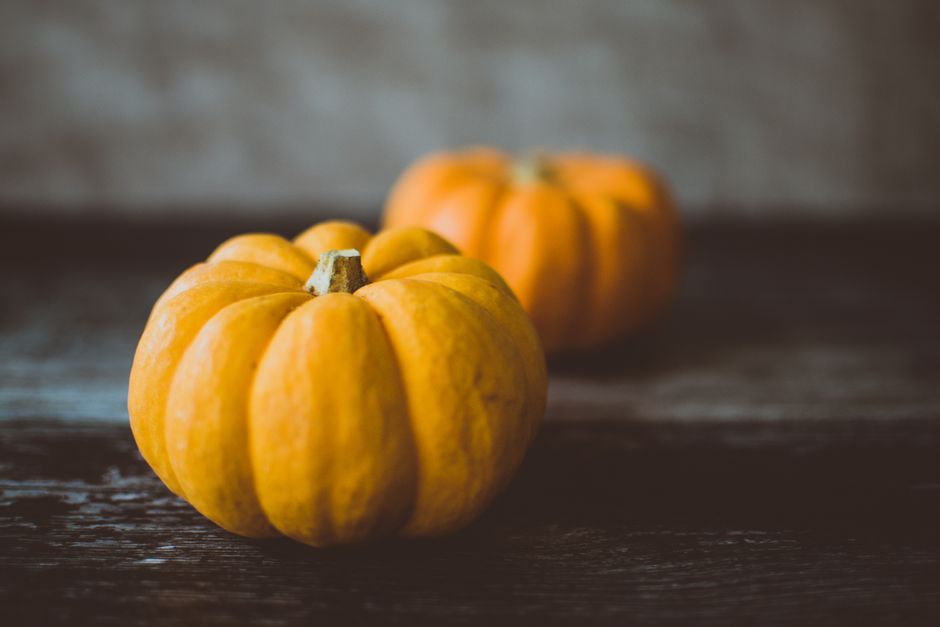
Walk through any pumpkin patch in October and you are looking at a squash, no matter what the sign at the farm stand says. Botanically, a pumpkin is a type of squash. It belongs to the same plant family and the same genus as zucchini, acorn squash, and butternut squash. The word “pumpkin” is more of a common name than a scientific classification. In botanical terms, all pumpkins are squash, but not all squash are pumpkins. The distinction comes down to species, variety, and how we use the fruit in the kitchen.
What Makes a Pumpkin a Squash Botanically?
All pumpkins and squash belong to the genus Cucurbita, which is part of the gourd family, Cucurbitaceae. This is the same plant family that includes cucumbers, melons, and watermelons. Within the genus Cucurbita, there are several species, and pumpkins appear in more than one of them.
The pumpkins you carve for Halloween are usually Cucurbita pepo. This species also includes zucchini, yellow summer squash, acorn squash, and many ornamental gourds. The large pumpkins grown for competitions often belong to Cucurbita maxima, the same species as buttercup squash and Hubbard squash. Some pumpkins, particularly certain varieties grown in the southeastern United States, belong to Cucurbita moschata, which also includes butternut squash.
So when someone asks if a pumpkin is a squash, the botanical answer is straightforward. A pumpkin is a squash because it is a fruit from the Cucurbita genus. The name “pumpkin” does not correspond to a single species. It refers to round, orange (or sometimes other colored) fruits that come from several different Cucurbita species.
Why Do We Call Some Squash Pumpkins and Not Others?
The separation between “pumpkin” and “squash” is cultural and agricultural, not botanical. In the United States, a round, orange fruit with a thick ribbed stem is typically called a pumpkin. A bumpy green fruit or an elongated yellow one gets called a squash. These are culinary and marketing terms, not scientific ones.
In other parts of the English-speaking world, the terminology shifts. In Australia, New Zealand, and parts of the United Kingdom, the word “pumpkin” is used more broadly to describe many types of winter squash. What an American calls butternut squash, an Australian might call butternut pumpkin. This variation shows that the pumpkin-squash boundary is not fixed in biology. It is a matter of language and local tradition.
The United States Department of Agriculture adds another layer. For commercial grading purposes, the USDA distinguishes pumpkins from other squash based on appearance and use. But these are regulatory definitions for trade, not botanical classifications. They exist to help buyers and sellers communicate, not to describe plant relationships.
Is a Pumpkin a Fruit or a Vegetable?
Botanically, a pumpkin is a fruit. A fruit develops from the flower of a plant and contains seeds. Pumpkins grow from pollinated flowers and hold hundreds of seeds inside their central cavity. By this definition, they are fruits, just like tomatoes, peppers, and cucumbers.
The confusion comes from how we use them. In cooking, pumpkins are treated as vegetables because they are not sweet and are used in savory dishes. But culinary categories do not change botanical reality. The same applies to all squash. Zucchini is botanically a fruit, even though it is cooked and served like a vegetable.
There is a specific botanical term for the type of fruit a pumpkin is. It is a pepo, which is a berry with a hard outer rind. Watermelon, cucumber, and all squash are pepos. This places pumpkins firmly in the fruit category from a scientific standpoint.
What Is the Difference Between Winter Squash and Summer Squash?
Understanding the difference between winter and summer squash helps clarify where pumpkins fit. Summer squash, like zucchini and yellow crookneck, are harvested while immature. Their skins are tender and edible, and they do not store well for long periods. They are eaten soon after harvest.
Winter squash, including pumpkins, acorn squash, and butternut squash, are harvested after the fruit has fully matured. The skin hardens into a rind, and the flesh becomes dense and sweet. This mature state allows winter squash to be stored for months in a cool, dry place. Pumpkins are winter squash in this sense, even though they are harvested in the fall.
The distinction matters for storage and cooking. A pumpkin left on the vine until its rind is hard will keep much longer than a summer squash. The sugars in winter squash develop during storage, which is why a pumpkin that sits for a few weeks tastes sweeter than one eaten immediately after harvest.
Can Any Squash Be Used Like a Pumpkin?
In cooking, the lines between pumpkins and other winter squash blur considerably. Canned “pumpkin” sold in grocery stores is frequently not pure pumpkin. Many brands blend in other types of winter squash, particularly butternut squash, because they have similar flavor and texture. This is legal and common, though labeling laws require the contents to be disclosed.
The USDA allows canned pumpkin to contain other varieties of squash. This is not a secret or a scandal. It reflects the reality that the flavor and texture of different winter squash overlap significantly. A pie made from butternut squash is nearly indistinguishable from one made from a sugar pumpkin.
For home cooks, this means the choice between pumpkin and other winter squash is mostly about convenience and preference. Sugar pumpkins, also called pie pumpkins, have denser, sweeter flesh than the large carving pumpkins. Carving pumpkins are bred for size and thick walls, not flavor. Their flesh is watery and stringy, which makes them poor choices for cooking.
How Are Pumpkin and Squash Related to Gourds?
Gourds are another term that creates confusion. Ornamental gourds, like the bumpy, colorful ones sold in autumn displays, are also in the Cucurbita genus. They are close relatives of pumpkins and squash. But the word “gourd” is used loosely to describe several different plant groups.
Some plants called gourds, like loofah and bottle gourd, belong to different genera entirely. Loofah is in the genus Luffa, and bottle gourd is in the genus Lagenaria. These are in the same family as pumpkins but are not the same genus. This is why ornamental gourds sold for decoration are not necessarily edible. Some are grown specifically for their hard shells and bitter flesh.
All pumpkins and edible squash are in the genus Cucurbita, but not everything called a gourd is. If you are unsure whether a gourd is edible, do not eat it. Many ornamental gourds are not bred for food and can taste bitter or cause digestive upset.
Why Does the Botanical Classification Matter?
Knowing that pumpkins are squash matters for gardeners, cooks, and anyone trying to understand plant relationships. For gardeners, it explains why pumpkins and squash can cross-pollinate. If you plant a pumpkin and a zucchini near each other, the bees will carry pollen between them. The fruit that grows this year will still look like the parent plant, but the seeds inside will produce hybrid plants next year.
For cooks, the classification matters because it means substitution is easy. If a recipe calls for pumpkin, most other winter squash will work. Butternut, kabocha, and delicata squash can all stand in for pumpkin in soups, roasts, and baked goods.
For consumers, the classification helps cut through marketing. A “pumpkin spice” product rarely contains actual pumpkin. The flavor comes from cinnamon, nutmeg, ginger, and cloves. The pumpkin in pumpkin spice lattes and candles is a marketing idea, not a food ingredient. Understanding the actual botanical relationships helps you see these products for what they are.
Frequently Asked Questions
Is a pumpkin a squash or a gourd?
A pumpkin is a squash botanically, and it is also technically a gourd because it belongs to the gourd family, Cucurbitaceae. The term “gourd” is broader and includes many plants, but not everything called a gourd is edible.
Are all pumpkins the same species?
No, pumpkins come from several different species within the Cucurbita genus. Most carving pumpkins are Cucurbita pepo, while giant pumpkins and some others belong to Cucurbita maxima or Cucurbita moschata.
Can you eat any squash like a pumpkin?
Most winter squash can be used in place of pumpkin in recipes because they have similar flesh and flavor. Summer squash like zucchini has a different texture and is not a good substitute in pumpkin dishes.
Why is canned pumpkin not always pure pumpkin?
USDA regulations allow canned pumpkin to contain other varieties of winter squash. Many brands blend in butternut squash because it has a similar taste and texture, and labeling laws require this to be disclosed on the ingredient list.
