
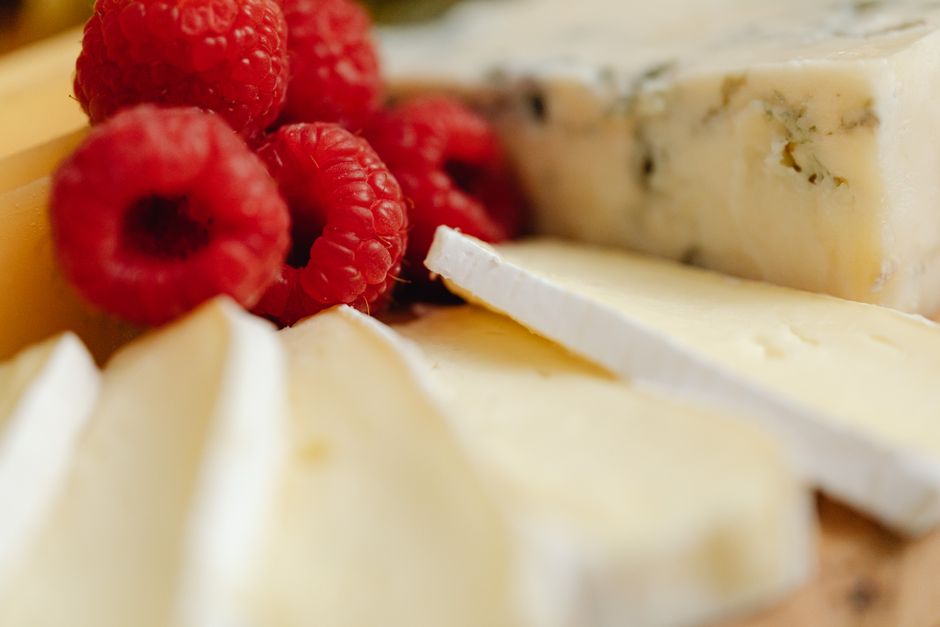
Blue cheese is often talked about as a probiotic food, but the science tells a more careful story. While blue cheese is made using live mold cultures, the finished product you buy at the store does not reliably contain enough live, active bacteria to qualify as a true probiotic. The distinction matters because the health benefits linked to probiotics depend on specific strains surviving digestion and reaching your gut in large numbers.
Is Blue Cheese A Probiotic What The Science Says
The short answer is no, not in the way most people hope. A probiotic must contain live microorganisms that provide a health benefit when consumed in adequate amounts. Blue cheese contains molds like Penicillium roqueforti, which are used to create its flavor and blue veins, but these molds are not the same as the bacteria that scientists have studied for gut health.
Some blue cheese varieties do contain live bacteria, including strains of Lactobacillus and Bifidobacterium. However, the levels and types vary widely between brands and batches. No consistent evidence shows that eating blue cheese delivers a meaningful probiotic dose to your digestive system.
Why Blue Cheese Is Not A Reliable Probiotic Source
The main issue is survival. Probiotic bacteria must survive three major obstacles: the acidity of your stomach, digestive enzymes, and bile salts in your small intestine. Many bacterial strains do not make it through this journey alive.
Cheese is also aged, sometimes for months. During aging, the environment changes. The mold that creates the blue veins actually produces compounds that can inhibit bacterial growth. This means that even if live bacteria are present early in production, they may not survive to the final product.
Another factor is how the cheese is stored and handled. Temperature changes, exposure to air, and the age of the cheese at purchase all affect bacterial survival. A wedge of blue cheese sitting in your refrigerator for two weeks will not have the same bacterial profile as one fresh from the creamery.
What The Research Actually Shows
Research on blue cheese and probiotics is limited compared to studies on yogurt and kefir. Some studies have identified beneficial bacterial strains in certain blue cheeses, but these are often small laboratory studies, not large human trials.
One area where blue cheese shows genuine promise is in producing bioactive peptides. These are protein fragments formed during the fermentation and aging process. Some research suggests these peptides may have antioxidant or anti-inflammatory effects. However, this is different from probiotic activity, and the clinical significance in humans remains unclear.
The evidence does not support claims that eating blue cheese will meaningfully change your gut microbiome. If you are looking for a fermented food with proven probiotic benefits, options like yogurt with live active cultures, kefir, and certain fermented vegetables have much stronger research backing.




The Difference Between Molds And Probiotic Bacteria
Blue cheese gets its character from Penicillium roqueforti, a mold that is deliberately introduced during production. This mold creates the blue-green veins and contributes to the sharp, tangy flavor. It is safe for most people to eat, but it is not a probiotic.
Probiotics are specific strains of bacteria, and sometimes yeast, that have been studied for their health effects. The most commonly studied genera are Lactobacillus and Bifidobacterium. These bacteria colonize the gut and can influence digestion, immune function, and other processes.
Molds and bacteria are entirely different categories of microorganisms. They do different things in food and in your body. Calling blue cheese a probiotic because it contains mold is like calling bread a probiotic because it contains yeast. The logic does not hold.
Does Blue Cheese Have Any Health Benefits
Blue cheese does offer nutritional value. It is a source of protein, calcium, and phosphorus. A standard serving provides a meaningful amount of these nutrients, along with vitamin A and several B vitamins.
The calcium content is worth noting. One ounce of blue cheese contains roughly 150 milligrams of calcium, which is about 15 percent of the daily value for most adults. This is comparable to many other hard cheeses.
Blue cheese is also high in saturated fat and sodium. For people managing blood pressure or cholesterol, portion control matters. The health benefits of the nutrients do not erase the risks of overconsumption.
Some research has examined whether the compounds in blue cheese affect heart health. The evidence is mixed. Some studies suggest certain cheese components might have neutral or slightly positive effects on cholesterol profiles, while others show no benefit. No major health organization recommends blue cheese specifically for heart health.
Who Should Avoid Blue Cheese
Pregnant women should avoid blue cheese unless it is made from pasteurized milk and cooked thoroughly. The concern is Listeria monocytogenes, a bacteria that can grow in soft cheeses and cause serious complications during pregnancy.
People with weakened immune systems should also be cautious. This includes individuals undergoing chemotherapy, organ transplant recipients, and those with advanced HIV. The live molds and bacteria in blue cheese, while harmless to most people, could pose a risk to someone with compromised immunity.
People with a penicillin allergy should know that blue cheese contains Penicillium molds. However, the mold in cheese is not the same as the antibiotic penicillin. Most people with penicillin allergy can eat blue cheese safely, but if you have a severe allergy, it is worth discussing with your doctor before trying it.
How To Get Real Probiotics From Food
If your goal is to increase your probiotic intake, focus on foods with documented live cultures. Yogurt is the most studied option, but only if the label says “live and active cultures.” Some yogurts are heat-treated after fermentation, which kills the beneficial bacteria.
Kefir is a fermented milk drink that typically contains a wider variety of bacterial and yeast strains than yogurt. It is also well studied for digestive health benefits.
Other fermented foods like kimchi, sauerkraut, and miso contain live bacteria, though the strains and amounts vary. For sauerkraut and kimchi, choose unpasteurized versions, since pasteurization destroys the live cultures.
Keep in mind that probiotic foods are not a substitute for medical treatment. If you are considering probiotics for a specific health condition, talk to your healthcare provider about which strains and doses have evidence behind them.
Is Aged Cheese Ever A Probiotic
Some aged cheeses, including certain types of cheddar and gouda, have been studied for their probiotic potential. Unlike blue cheese, these cheeses do not contain mold that inhibits bacterial growth. Some research has found that specific bacterial strains can survive the aging process and remain viable in the final product.
However, even for these cheeses, the evidence is not strong enough to make broad recommendations. The bacterial content depends on the specific starter cultures used, the aging conditions, and the handling after production. A cheese that contains probiotics in one study may not contain them in another.
The most honest position is that cheese is a nutritious food, but not a dependable probiotic delivery system. If you enjoy blue cheese, eat it for its flavor and nutritional value. If you want probiotics, choose foods that are reliably tested and labeled for live cultures.
What To Look For On Food Labels
Food labels can be misleading. The word “probiotic” is not strictly regulated on food packaging in the United States. A product can say “contains probiotics” even if the levels are too low to matter.
Look for specific strain names on the label. A product that lists Lactobacillus rhamnosus GG or Bifidobacterium lactis BB-12 is more likely to contain meaningful levels of studied bacteria. A label that just says “probiotic cultures” without naming strains is less informative.
For yogurt, the “live and active cultures” seal from the National Yogurt Association is a useful marker. This seal indicates that the product contains a minimum amount of live cultures at the time of manufacture. It does not guarantee the bacteria survive digestion, but it is a reasonable starting point.
Frequently Asked Questions
Can blue cheese help my gut health?
Eating blue cheese is not a reliable way to improve gut health because the live bacteria levels are inconsistent and often too low to matter. For proven probiotic benefits, choose yogurt with live active cultures or kefir instead.
Is the mold in blue cheese dangerous?
The Penicillium roqueforti mold in blue cheese is safe for most healthy adults to eat. Pregnant women, people with weakened immune systems, and those with severe penicillin allergies should consult a doctor before consuming it.
What cheese has the most probiotics?
Some aged cheeses like gouda and certain cheddars have shown probiotic potential in studies, but results vary by brand and production method. No cheese is a consistently reliable probiotic source compared to fermented dairy drinks like kefir.
Is blue cheese good for you?
Blue cheese provides protein, calcium, and phosphorus, making it a nutritious food in moderate portions. Its high saturated fat and sodium content means it should be eaten in limited amounts, especially by people managing blood pressure or cholesterol.
