
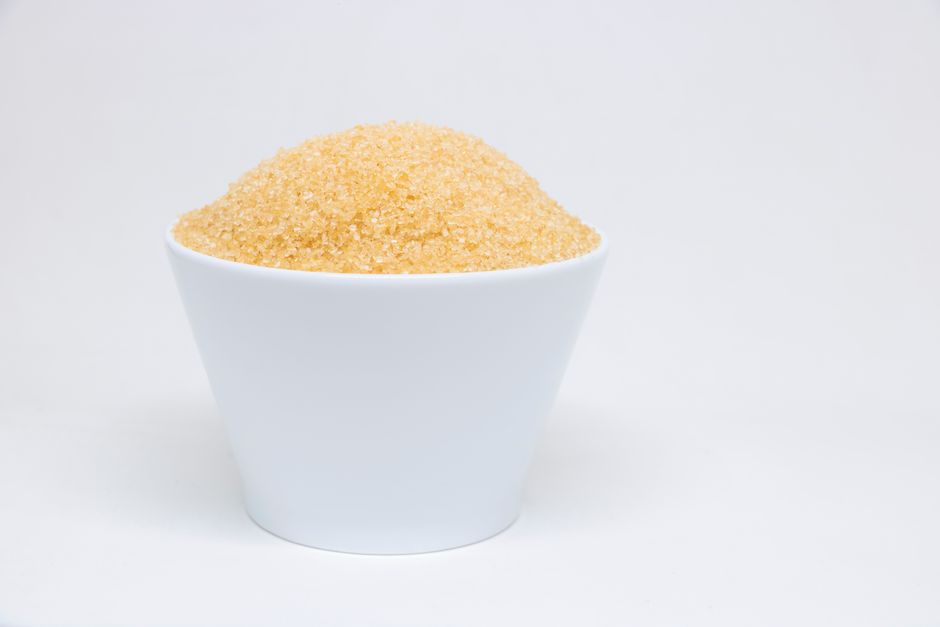
Yes, you can substitute brown sugar for white sugar in most recipes. The swap is not one-to-one in every situation, but for baking, sauces, and many everyday cooking tasks, brown sugar works as a direct replacement. The main difference is moisture and molasses content, which changes the final texture and flavor. Brown sugar makes baked goods denser, moister, and gives them a deeper taste. White sugar produces a lighter, crispier result. If you are out of white sugar and have brown sugar on hand, go ahead and use it. Just know your cookies will be chewier and your cake will be darker.
What Is the Difference Between Brown Sugar and White Sugar?
Brown sugar is white sugar with molasses added back into it. That is the simple truth. White sugar is refined from sugarcane or sugar beets, then stripped of all molasses. Brown sugar takes that refined white sugar and mixes molasses into it at a specific ratio.
Light brown sugar has about 3.5% molasses by weight. Dark brown sugar has about 6.5% molasses. This molasses is what gives brown sugar its color, moisture, and that rich, slightly caramel-like flavor. The molasses also makes brown sugar acidic. White sugar is neutral on the pH scale. Brown sugar is slightly acidic, which matters when you are baking with baking soda.
According to the USDA, one teaspoon of granulated white sugar has about 16 calories. One teaspoon of brown sugar has about 17 calories. The difference is negligible. The real difference is moisture. Brown sugar contains about 4% to 6% water by weight. White sugar has almost zero moisture. That extra water affects how your baked goods turn out.
Can You Sub Brown Sugar For White Sugar in Baking?
Yes, but expect different results. Brown sugar absorbs moisture from the air and holds onto it during baking. This means cookies made with brown sugar spread less and stay chewy. White sugar encourages spreading and produces a crisper edge.
Research from the American Chemical Society shows that sugar type directly affects cookie spread and texture. Brown sugar’s acidity also reacts with baking soda to produce more carbon dioxide gas. That extra gas creates a softer, more cake-like crumb in some recipes. If you are making a crisp sugar cookie or a delicate sponge cake, brown sugar will change the structure noticeably.
For chocolate chip cookies, many bakers actually prefer brown sugar. The moisture and molasses flavor complement the chocolate. For a white cake or a light angel food cake, brown sugar is a poor choice. It will darken the crumb and weigh down the texture. A good rule: if the recipe relies on white sugar for structure and color, do not swap. If you want a moister, chewier result, brown sugar works well.
How Does the Swap Work in Non-Baking Recipes?
For sauces, marinades, and glazes, brown sugar is an easy substitute. The molasses adds depth and a slight tang that works well with savory flavors. Barbecue sauces, teriyaki glazes, and baked beans all benefit from brown sugar over white.
In beverages like coffee or tea, brown sugar dissolves slower than white sugar. It leaves a slight molasses aftertaste. Some people enjoy this. Others find it distracting. For cold drinks, brown sugar does not dissolve as easily. Stir longer or use a simple syrup made from brown sugar instead.
For canning and preserving, stick with white sugar. The molasses in brown sugar can alter the pH balance of preserves. This matters for food safety. The National Center for Home Food Preservation recommends using only tested recipes with exact sugar types. Brown sugar also darkens the color of light-colored jams and jellies.





What Is the Best Substitution Ratio?
For most recipes, use one cup of brown sugar for one cup of white sugar. This works for cookies, muffins, quick breads, and most cakes. You do not need to adjust the liquid in the recipe. The extra moisture from brown sugar is small enough that most recipes handle it fine.
For recipes where texture is critical, consider a slight adjustment. If you are making a crisp cookie or a thin, delicate pastry, reduce the brown sugar by about one tablespoon per cup. This compensates for the extra moisture. Alternatively, you can pack the brown sugar lightly instead of firmly. Packed brown sugar contains more moisture than loosely scooped brown sugar.
Here is a quick comparison table to help you decide:
| Recipe Type | Best Sugar Choice | Why |
|---|---|---|
| Chocolate chip cookies | Brown sugar | Adds moisture, chewiness, and depth |
| Angel food cake | White sugar only | Brown sugar ruins structure and color |
| Barbecue sauce | Brown sugar | Molasses complements savory flavors |
| White cake | White sugar | Brown sugar darkens crumb and adds density |
| Muffins | Either works | Brown sugar makes them moister |
| Caramel sauce | Brown sugar | Adds natural caramel flavor |
Does the Type of Brown Sugar Matter?
Yes. Light brown sugar and dark brown sugar are not interchangeable in all cases. Light brown sugar has less molasses and a milder flavor. It is closer to white sugar in behavior. Dark brown sugar has more moisture and a stronger molasses taste.
For most baking, light brown sugar is the safer substitute for white sugar. It changes the flavor less. Dark brown sugar works well in recipes where you want a bold molasses note. Gingerbread, baked beans, and rich spice cakes benefit from dark brown sugar.
Some people report using dark brown sugar in place of white sugar and finding the final product too dark or too strongly flavored. That is a real concern. If you only have dark brown sugar, use slightly less. Start with three-quarters of a cup for every cup of white sugar. You can adjust from there.
Brown sugar also clumps and hardens over time. White sugar stays free-flowing. If your brown sugar is hard, microwave it with a damp paper towel for 15 to 20 seconds. Or grate it with a cheese grater. Do not try to substitute hard, clumpy brown sugar directly. It will not distribute evenly in your batter.
What Are Common Misconceptions About Substituting Brown Sugar?
One common myth is that brown sugar is healthier than white sugar. It is not. Brown sugar has slightly more minerals from molasses, but the amounts are tiny. You would need to eat several cups to get any meaningful nutrition. The body processes both sugars the same way. They raise blood sugar similarly.
Another myth is that brown sugar and white sugar behave identically in every recipe. They do not. The moisture difference is real. The acidity difference matters for chemical leavening. Recipes that rely on precise sugar behavior will not turn out the same.
Some people claim you can make brown sugar by adding molasses to white sugar at home. This is true, but the ratio matters. For light brown sugar, add one tablespoon of molasses to one cup of white sugar. For dark brown sugar, add two tablespoons. Mix thoroughly. This works well for cooking but may not dissolve evenly in cold beverages.
A final misconception is that you can substitute brown sugar for white sugar in yeast breads without issue. This is not recommended. Yeast feeds on sugar, and the molasses in brown sugar can slow yeast activity. Stick with white sugar for bread dough unless the recipe specifically calls for brown sugar.
Frequently Asked Questions
Can I use brown sugar instead of white sugar in coffee?
Yes, but it will add a molasses flavor and may not dissolve as easily. Stir thoroughly or make a simple syrup first.
Does brown sugar make cookies softer than white sugar?
Yes, brown sugar retains moisture and produces chewier, softer cookies. White sugar creates crisper, thinner cookies.
Can I substitute brown sugar for white sugar in a white cake recipe?
You can, but the cake will be darker, denser, and have a caramel flavor. It will not be a true white cake.
Is brown sugar healthier than white sugar?
No, the nutritional difference is negligible. Both are sugars and affect blood glucose similarly.
